Kakao Brunchbook 6th Publishing Project Special Award Winner
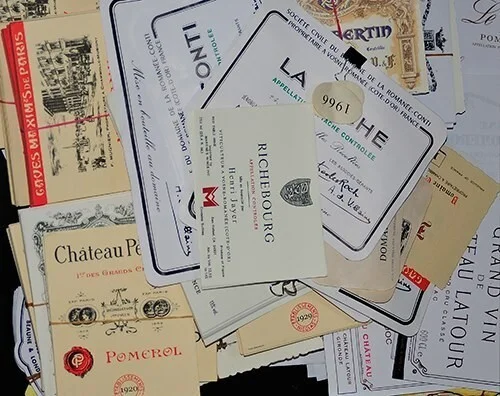
"Our love will be eternal." When we "love," we commonly whisper "eternity." But we come to know at some point: the words "love" and "eternal" are simply the wish of those ardently loving the present to confirm with each other the hope that their love will continue eternally. Love cannot be eternal and is not of a nature that can be promised to be eternal. It is simply a word faithful to the purpose of reassuring a partner who fears love will change, or who has been hurt by love or has trauma. The wine fraud parallel: just as people promise eternal love knowing change is inevitable, wine fraud involves presenting something as what it is not -- the famous Rudy Kurniawan case (2013, first person convicted of wine fraud in the US) involved counterfeiting wines worth millions of dollars by relabeling cheaper bottles as premier cru Burgundy and Pomerol; experienced tasters failed to detect the fraud because they tasted with expectation (this is supposed to be Petrus, therefore it tastes like Petrus); the fraud succeeded not because the fake wine was perfect but because human perception is heavily influenced by expectation and context. The self-deception angle: we deceive ourselves in love similarly -- when infatuated, we taste the person as we wish them to be rather than as they are; the disappointment when the reality becomes clear mirrors the wine collector discovering their precious bottle is a fake; both involve the painful recognition that what we believed was not what we actually experienced.