Easy Immersive Learning of Educational Content Expressing Creativity
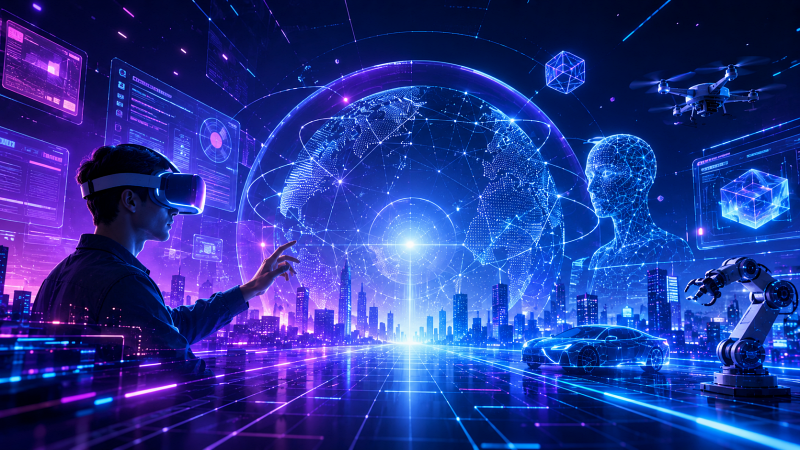
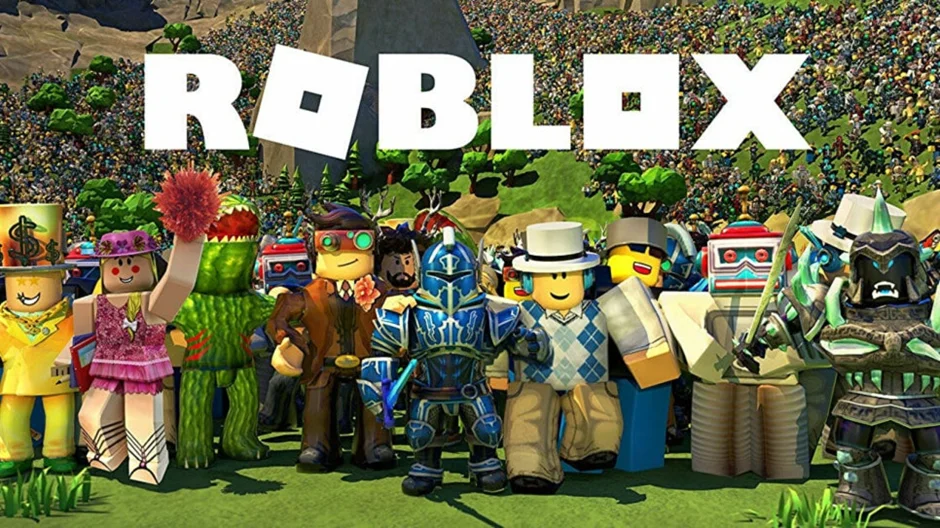
Virtual reality technology is driving new evolution in internet interaction and rapidly transforming education. Immersive technologies like XR (Extended Reality) provide environments where students can learn freely without physical constraints. The metaverse platform Roblox, with 79.5M+ daily active users (Q2 2024), primarily serves ages 13-24 with 5M+ educational content pieces (as of 2022) covering coding, science, and mathematics. Roblox education applications: Roblox Education (education.roblox.com) provides educators with ready-made experiences and lesson plans; Hour of Code integration teaching programming concepts; 3D modeling tools for digital art education; scripting with Lua programming language. Case studies: Code.org and Roblox collaboration teaching computational thinking to millions of students; DigiPen Institute using Roblox for game design education; Stanford d.school using Roblox for design thinking workshops. Learning outcomes supported: programming (Lua scripting, logic); 3D spatial design; physics simulation understanding; project management and teamwork; entrepreneurship through creator monetization; problem-solving through game design. Limitations: Roblox's UGC model creates inconsistent educational quality; safety concerns for young users interacting with strangers; potential for educational time displacement by entertainment content; the platform's primary identity as entertainment may undermine institutional adoption. Broader metaverse education implications: immersive learning environments can reduce abstract concepts to experiential understanding; failure in safe virtual environments accelerates learning; the gamification of education shows promise for engagement but requires evidence-based curriculum integration to demonstrate learning outcome improvements beyond engagement metrics.