The Trump administration announced a policy direction to lower fuel economy standards for passenger cars and light trucks -- attention focused on what impact this will have on Korean automotive industry. Conclusion: this change is a complex policy shock where "short-term burden, structural risk, and limited opportunity" operate simultaneously for Korean industry. The credit system change: the fuel economy/carbon credit trading system is being abolished. Hyundai and Kia have purchased credits from Tesla and others to meet US regulations -- this system functioned as a "buffer" compensating for short-term technical limitations, but after abolition each company must meet standards independently. Despite regulatory relaxation, Korean companies may face greater technical and financial burden. EV investment risk: fuel economy standard relaxation reduces pressure for US manufacturers to aggressively increase EV sales -- this may act as mid-term risk of demand growth slowdown for Korean companies (Hyundai/Kia, LG Energy Solution, SK On, Samsung SDI) that have made large-scale EV/battery investments in the US market; factory utilization, investment recovery period, and supply chain strategy all require adjustment. Limited opportunity: US auto market is SUV/pickup truck-centered by nature; regulatory relaxation may further strengthen this market structure. Korean SUV models (Telluride, Palisade, Santa Fe, Sorento) are well-positioned in this segment -- if regulatory relaxation boosts large vehicle sales, Korean SUV competitiveness benefits. The net assessment: Korean automakers face a transition period where the rules governing their largest export market have fundamentally changed; companies that invested heavily in EV infrastructure assuming continued regulatory pressure now face recalibration, while those with strong ICE and hybrid lineups have unexpected near-term breathing room.
Trump Administration's Fuel Economy Standard Relaxation — Impact on Korea's Auto Industry?
A 'mixed policy shock of opportunity and risk' for the Korean industry. The Trump administration announced plans to lower fuel economy standards for passenger cars and light trucks.
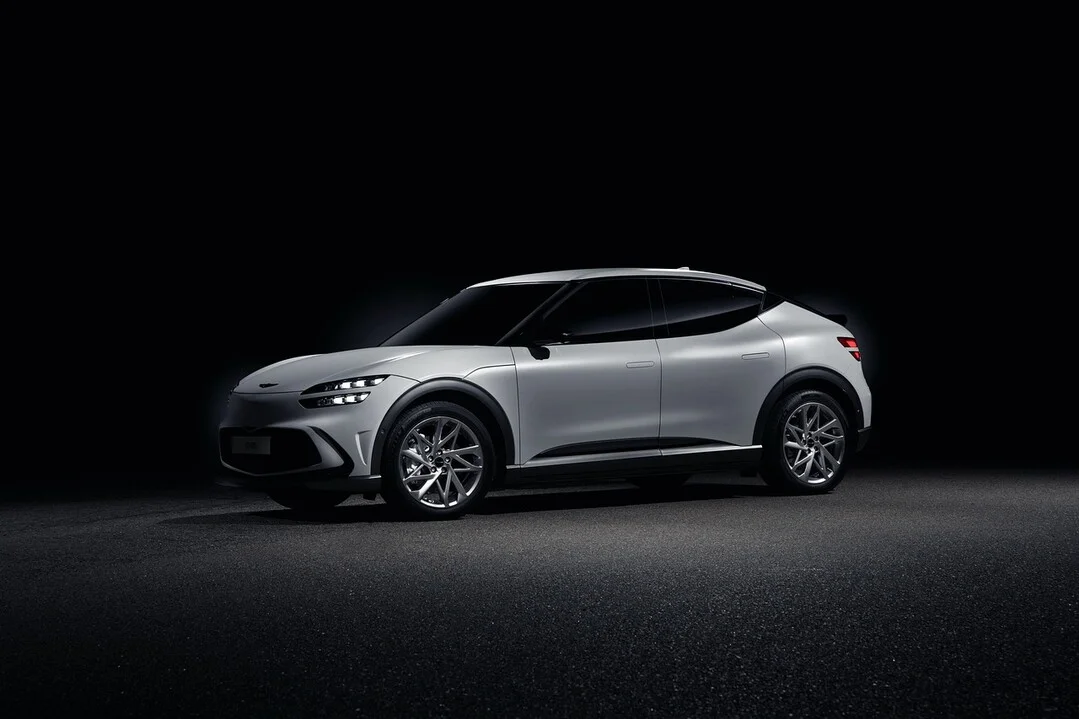
Source: META-X metax.kr
A "Policy Shock" for Korean Industry with Mixed Opportunities and Risks
ⓒ META-X metax.kr
All rights reserved.
Free to share with attribution.
All rights reserved.
Free to share with attribution.