
Why Did Unannounced New Games Appear First During the Rating Classification Process?
As information about unannounced new games became known through the public disclosure of rating classifications by the Game Rating and Administration Committee, the so-called “new game leak from the GRAC” controversy has surfaced once again. Game titles that had not yet been officially announced appeared on the rating classification list, and both domestic and international game media reported the existence of these new titles based on that information. Users began speculating about upcoming games, and within the industry, the GRAC’s method of information disclosure once again came under scrutiny.
On the surface, this is a familiar scene. An unannounced game is revealed first through the rating classification process. Overseas media quickly notice it. Domestic communities and media outlets then pick it up again. From a publisher’s perspective, a carefully prepared announcement schedule may be disrupted. From a user’s perspective, information about a new game becomes available before the official reveal. This is why the incident is easily described as a “leak.”
However, viewing this incident simply as “the GRAC leaking another new game” narrows the issue too much. Two layers are mixed together here. One is the industrial issue of information about an unannounced game being made public before its official announcement. The other is the administrative issue of whether rating classification results should be publicly disclosed. The former concerns a publisher’s marketing schedule, while the latter concerns user protection and market transparency.
Rating classification is not a private promotional procedure. Users and the market need to be able to confirm what rating a game has received and under what criteria it is entering the market. Games are content that can be connected to youth access, violence, sexual content, gambling-like elements, and monetization structures. In that sense, disclosing rating classification results is closer to a principle than an exception. Users have the right to know how the games they play have been classified.

Therefore, the question is not simply “Why was it disclosed?” Rating classification information should, in principle, be made public. Users have the right to confirm what rating a game has received before it enters the market. The issue is not disclosure itself, but how and when that disclosure takes place, and what kind of responsibility should follow after disclosure in relation to the game’s actual operation.
This is also why the controversy matters. The debate over rating classification disclosure reveals that Korean game regulation remains sensitive to “pre-release disclosure,” but is not yet sufficiently detailed when it comes to “actual post-release operation.” Disclosure is necessary. But if disclosure is the starting point, responsibility must follow afterward.
Disclosure Should Be the Principle
Rating classification is not a private promotional procedure. Users and the market need to be able to confirm what rating a game has received and under what criteria it is entering the market. Games are content that can be connected to youth access, violence, sexual content, gambling-like elements, and monetization structures. In that sense, disclosing rating classification results is closer to a principle than an exception.
Users have the right to know how the games they play have been classified. In particular, games are not merely entertainment products. They are content whose accessibility differs by age and whose consumption structures can be designed in complex ways. Rating classification information is not marketing material for publishers. It is public information for user protection.
Therefore, we should be careful about taking issue with the fact that an administrative agency discloses rating classification results. If the principle of information disclosure is weakened, even the minimum public information that users and the market need to check may be reduced. The moment the discussion becomes “disclosure itself is the problem,” it can easily move toward expanding non-disclosure.
What is needed, however, is not expanded non-disclosure. What is needed is a more refined approach to the timing and method of disclosure. In the case of unannounced new games, if a business operator has an official announcement schedule ahead, an administrative embargo system could be introduced to defer the public disclosure of rating classification results for a certain period. This does not mean hiding information. Nor does it mean eliminating disclosure. It means maintaining the principle of information disclosure while minimally respecting announcement timing, which has become an important asset in the market.
For example, business operators could be allowed to request a temporary disclosure deferral for unannounced new games, while the duration, reason, and scope of application are clearly limited. Once the set period has passed, the information would be disclosed according to the principle. In this way, the principle of public information disclosure can be maintained while reducing unnecessary disruption to announcement schedules.
However, the discussion should not stop there. The conflict between a new game’s announcement schedule and the timing of rating classification disclosure clearly needs to be adjusted. But the point where this incident becomes more significant comes next. Why has Korean game regulation been strict about pre-release procedures and information disclosure, while moving relatively slowly when it comes to problems in actual post-release operation? This controversy becomes more meaningful when it leads to that question.
Games Continue to Change After Release
Games are no longer products fixed in the state they were in at the moment of release. In the past, packaged games often did not change significantly after launch. Today, however, games—especially online games, mobile games, and live-service games—continue to change after release.
Content is added through updates, events are repeated, and packages and product configurations change. The composition of random-chance items, reward structures, and sales methods may also be adjusted during operation. Many elements are added after release, such as season passes, limited-time products, collaboration events, new currencies, and growth packages. The game that users actually experience and spend money on may not be exactly the same as the game at the time of release.
If so, rating classification and information disclosure cannot be treated as a one-time issue that ends before launch. This is because the information submitted at the time of initial rating classification may not always match the game that is actually being serviced. If the content and operation of a game change after release, a gap may emerge between the disclosed information and the game’s actual operation.
From the perspective of user protection, this gap is what matters. It should be possible to confirm whether product structures that did not exist at the time of rating classification have been added, whether the reward methods of random-chance items have changed, whether event and payment structures have been sufficiently disclosed to users, and whether advertisements match the actual product contents. If games continue to change after release, regulation and monitoring must also continue after release.
Entry Control Was Strong, But Was Operational Responsibility Sufficient?
Korean game regulation has long shown strength in managing the gate through which games enter the market. Before release, games must receive a rating, submit the required information, and pass established criteria. This process is clearly necessary. In particular, pre-release rating classification has important meaning from the perspectives of youth protection, harmful content management, and the prevention of gambling-like elements. This is also why the committee exists.
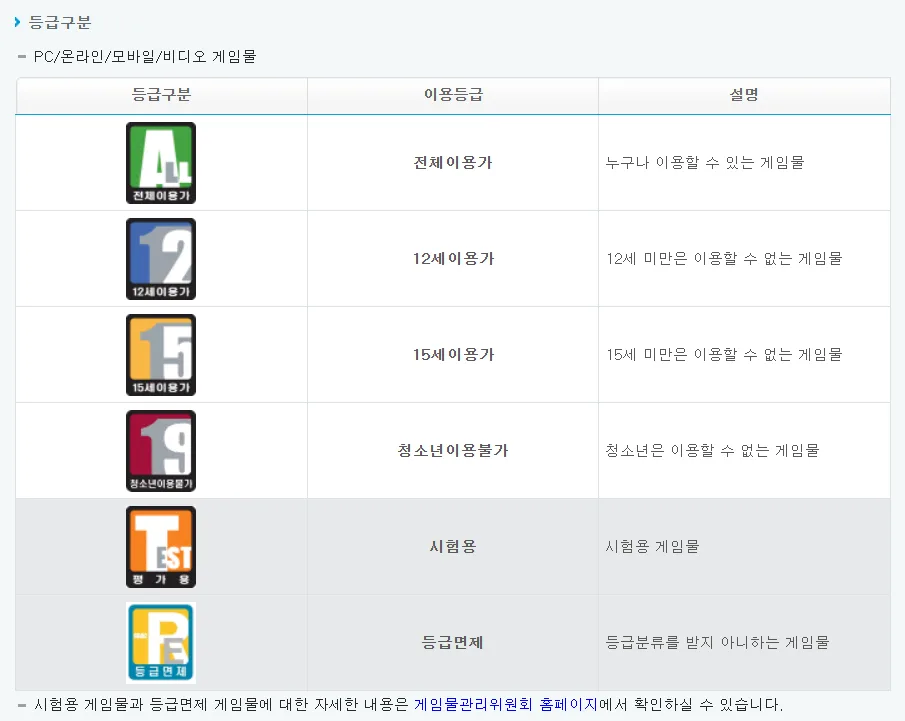
However, problems that arise after a game enters the market have a different character. Games generate revenue through post-release operation. Users continuously encounter updated content, events, sales products, random-chance items, season passes, and limited-time packages. Actual consumer harm often occurs not at the moment of pre-release rating classification, but during the process of post-release operation.
Whether users were sufficiently informed during that process, whether the displayed information matched the actual operation, and whether users could receive meaningful compensation when problems occurred are separate questions. Confirming information before release and holding operators accountable after release belong to different stages. The former is management of market entry, while the latter is management of responsibility within the market.
Therefore, if this controversy is viewed only through the frame of “the GRAC leaked an unannounced new game,” an important issue is obscured. What really matters is not information disclosure itself. Disclosure is necessary. In fact, disclosure should be more accurate and more consistent. However, if disclosure is the principle, it must also be possible to check whether the disclosed information is actually being upheld during operation.
Here, the issue moves toward a post-release consumer protection system. A post-release consumer protection system can be divided broadly into two parts. One is post-release regulation of business operators. This includes imposing administrative fines, corrective orders, business restrictions, or public disclosure orders when false or exaggerated representations, failure to disclose probability information, unfair payment inducement, violations of minor protection rules, or unannounced operational changes occur.
The other is consumer remedy. This refers to systems that allow harmed users to actually recover through refunds, damages, dispute resolution, or collective remedy procedures. The two must be distinguished, but they must also work together. The fact that a company is sanctioned does not immediately restore user harm. Conversely, the fact that an individual user receives a partial refund does not resolve the structural problem of the entire market.
That is why a post-release responsibility system must include both regulation and remedy. Companies that have done wrong must be held accountable, and users who have suffered harm must be able to receive actual compensation. Responsibility after disclosure means these two things together.
The Weight of Post-Release Responsibility Shown by Overseas Cases
The cases of the United States and Japan are useful references in this regard. Neither country has a structure in which a state agency directly reviews every game in advance and administratively discloses the results in the same way as Korea. In the United States, the ESRB-centered private self-rating system is strong. Japan also operates a private rating system centered on CERO.
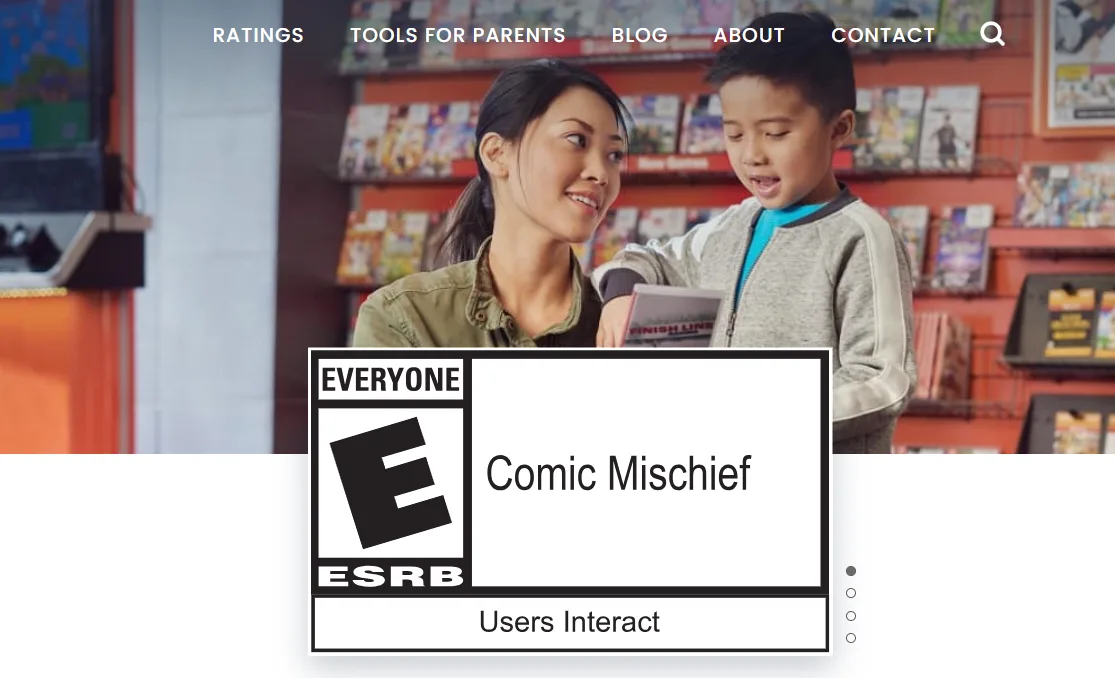
However, this does not mean that consumer protection is weak. Rather, when problems arise after release, separate consumer protection regulations and remedy mechanisms operate. Even if rating classification is closer to a private self-regulatory system, issues such as consumer deception, unfair payment inducement, labeling and advertising problems, refunds, and compensation are handled within a separate responsibility framework.
In the United States, direct state review of game content is limited. This is because constitutional protection of freedom of expression is strong. However, strong post-release sanctions are possible in areas such as consumer deception, unfair billing, children’s personal information, dark patterns, and refund issues. The government may not examine all content before a game is released, but if a game is operated after release in a way that harms users, sanctions and refund orders may follow.
Japan’s game rating system also has a strong character of private self-regulation. However, issues related to labeling and advertising, prize offerings, and consumer misunderstanding are handled under separate consumer laws. Representations that cause users to misunderstand the nature of a product or reward structure, excessive prize offerings, and methods that distort consumer choice can become subjects of regulation.
Compared with these cases, Korea’s characteristics become clearer. Korea has strong gatekeeping through pre-release rating classification and information disclosure. However, systems dealing with problems in post-release operation have been strengthened relatively late. Recent discussions on mandatory disclosure of random-chance item information and stronger liability for damages represent important changes. But they also mean that a post-release responsibility system that had long been insufficient is only now beginning to be supplemented.
Ultimately, the question to ask in this incident is one thing. If a country takes disclosure as a principle, are monitoring and responsibility for actual post-release operation equally strong? If disclosing rating classification results is transparency, then information on post-release operation, violations, sanctions, and user remedy procedures should also operate transparently. Disclosure should not remain limited to pre-release administrative procedures.
Beyond the “Leak” Controversy, Toward a System That Looks at Operational Responsibility
Ultimately, this controversy is not simply an issue of a new game leak. It is an incident in which rating classification disclosure collided with the announcement schedule of an unannounced new game, while also revealing where Korean game regulation places its weight.
Information disclosure is not something to be reduced. It should become more refined. Rating classification information should, in principle, be disclosed for user protection and market transparency. However, the announcement timing of an unannounced new game can be protected in a limited way. While maintaining the principle of disclosure, the timing and method of disclosure need to be adjusted so that they do not unnecessarily conflict with industrial announcement schedules.
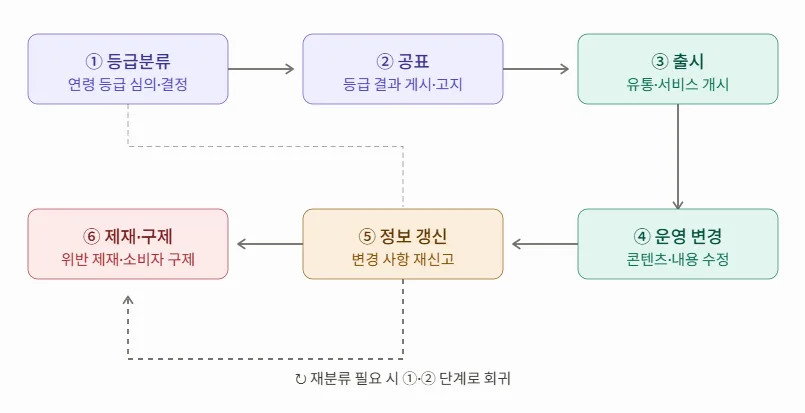
From Disclosure to Responsibility: The Post-Release Management Flow of Game Services
What matters more is what comes after disclosure. Games continue to change after release, and users’ experiences and spending are shaped through operation. If so, regulation cannot remain limited to pre-release rating classification. If the information at the time of rating classification differs from the game as it is actually operated, it must be possible to identify and update that gap. Operational changes, violations of disclosure obligations, sanction results, and consumer remedy procedures should also be made more transparent.
If games are no longer products fixed at the moment of release, regulation should not remain confined to pre-release procedures.
The problem is not disclosure. The problem is whether responsibility after disclosure actually works.