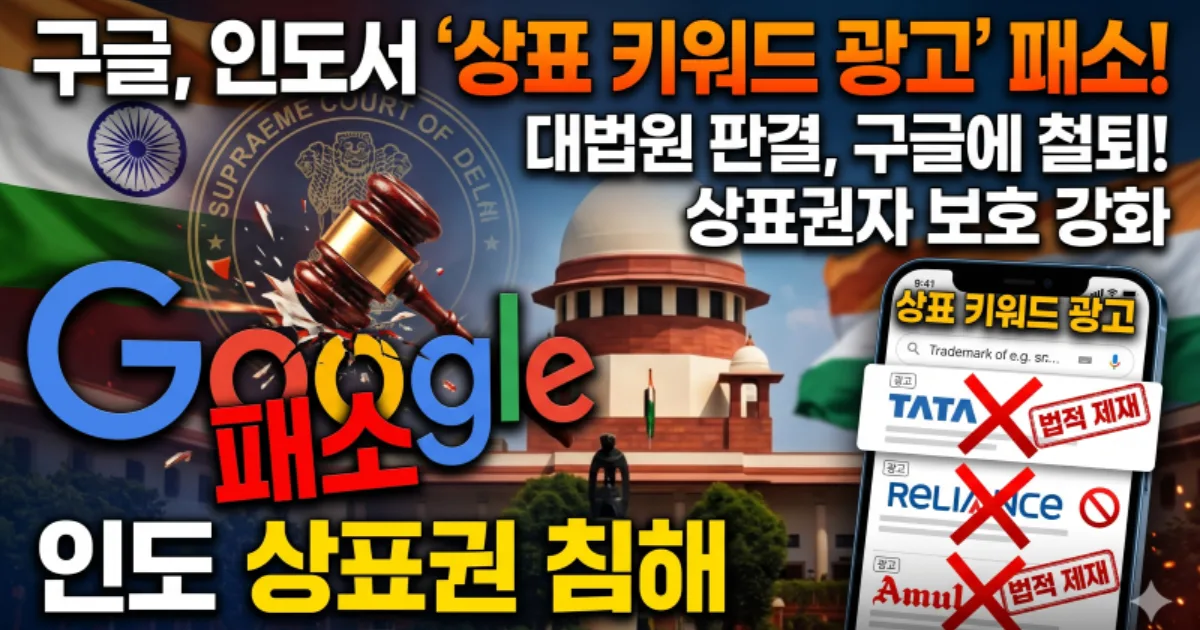
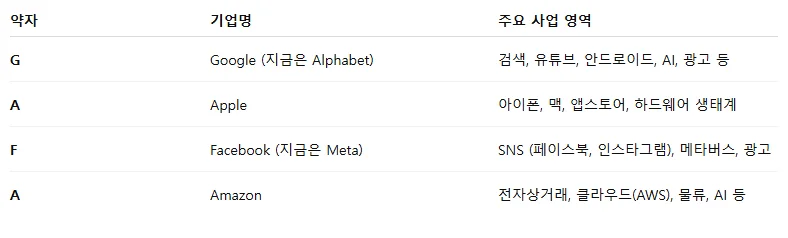
Government regulation movements against global IT giants GAFA (Google, Apple, Facebook, Amazon) are accelerating worldwide. The European Union through unprecedented powerful legal mechanisms like the Digital Markets Act (DMA) and Digital Services Act (DSA) is checking GAFA monopolistic position, but Korea still vacillates between "regulate strongly" and "concerned about industry contraction." Have GAFA actually withdrawn from countries due to regulation? The EU approach: DMA targets "gatekeeper" platforms (over 75B EUR market cap, 45M EU users) with specific obligations: must allow third-party app stores; cannot preference own services in search results; must enable data portability and interoperability; cannot use personal data for targeted advertising without explicit consent. DSA targets illegal content removal, transparency in algorithmic recommendations, and advertising transparency. Actual withdrawal precedents: Meta briefly threatened to withdraw Facebook and Instagram from EU following data transfer restrictions (2023) -- but did not follow through; the economic cost of losing EU market access is too high; Google threatened to remove search from Australia following News Media Bargaining Code (2021) -- ultimately negotiated commercial deals with publishers; the threats are negotiating tactics, not genuine withdrawal decisions. The Korea dilemma: Korea tech industry is heavily dependent on GAFA platforms (App Store, Google Play, Google Search, Facebook advertising) for distribution and discovery; restricting GAFA could trigger retaliatory pricing or service degradation that harms Korean developers and users; Korea also has competitive domestic platforms (Naver, Kakao) with interests in GAFA restrictions; the "regulator captured by regulated industry" concern is that Korean tech policy is influenced by platforms arguing against regulation that would benefit consumers and smaller competitors.
GAFA Regulation and Korea's Dilemma
'Regulate or withdraw... The power struggle between Big Tech and the state, are we prepared?' The intensifying regulation of global IT giants GAFA (Google, Apple, Facebook, Amazon).
Source: META-X metax.kr
Regulate or Withdraw... The Power Struggle Between Big Tech and Nations -- Are We Prepared?
ⓒ META-X metax.kr
All rights reserved.
Free to share with attribution.
All rights reserved.
Free to share with attribution.