New Marriage Trends Brought by Changing Economic Environment
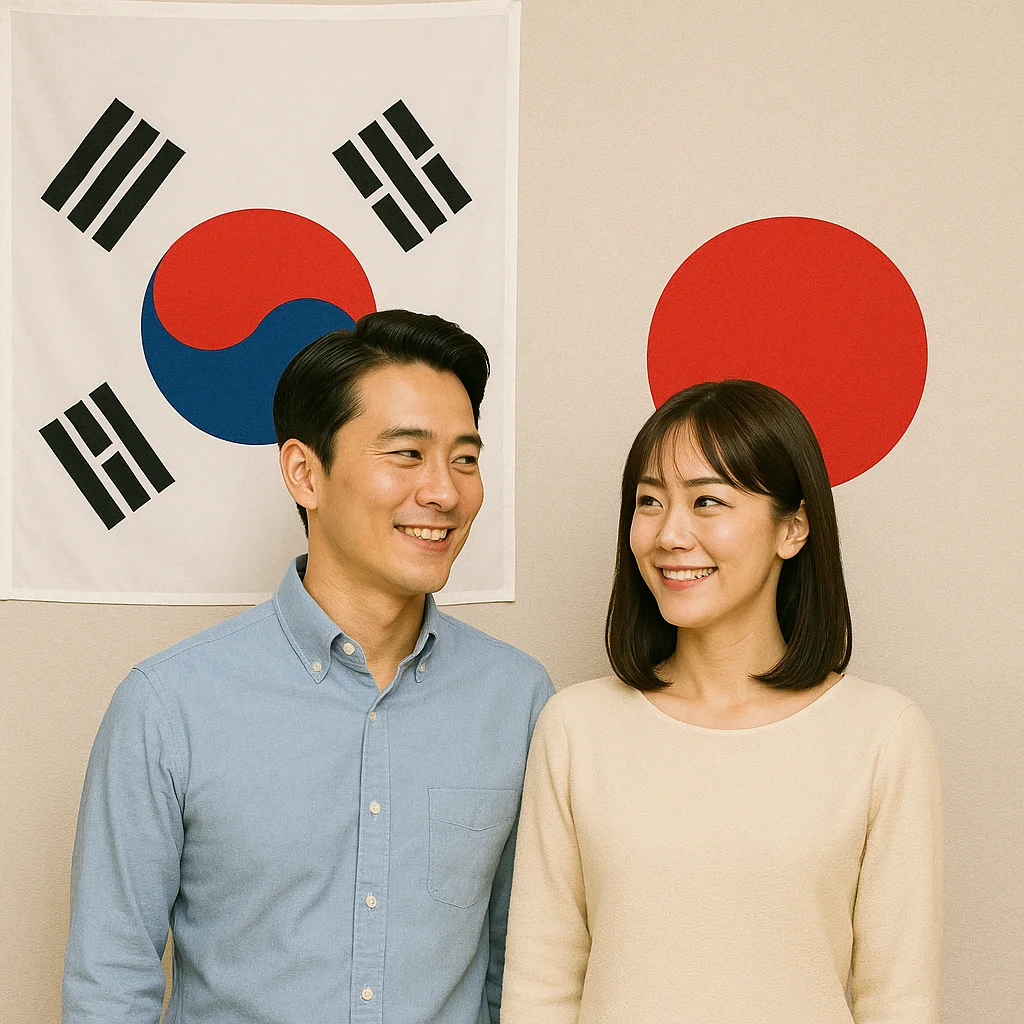
Marriages between Korean men and Japanese women are rapidly increasing in recent years. Major Japanese media analyzed this phenomenon against two axes of "Korean Wave" and "Korea economic power growth." Beyond simple statistical changes, this issue carries complex implications spanning society and individual choices in both Korea and Japan, and changes in East Asian cultural and economic geography. The numbers: 2024 marriages between Korean men and Japanese women reached 1,176 cases -- 40% increase in one year, the highest record in the past 10 years. In contrast, marriages between Japanese men and Korean women were only 147 cases -- one-fifth compared to 10 years ago. The Nihon Keizai Shimbun (Nikkei) conducting unusually detailed analysis suggests this change is a social "signal." Analysis factors: (1) Korean Wave influence -- K-drama, K-pop, and Korean culture have created sustained positive Japan perception of Korean men among younger Japanese women; Korean cultural products have been consistently popular in Japan for over two decades, creating familiarity and positive association; (2) Korea economic growth -- Korea per capita GDP has surpassed Japan in several measures; the economic parity shift changes the perceived desirability calculus that historically favored Japanese partners in Korean-Japanese cross-cultural relationships; (3) Cross-cultural digital connection -- dating apps and social media enabling Korean-Japanese connections that geographic and cultural barriers previously made difficult; (4) Japan population decline dynamics -- Japan shrinking marriage market is pushing younger Japanese women to be more open to international partnerships. The broader East Asian demographic significance: cross-border marriage trends are among the most sensitive indicators of relative cultural and economic attractiveness between neighboring nations.