"Boundary Between Brand Image and Reseller Economy"
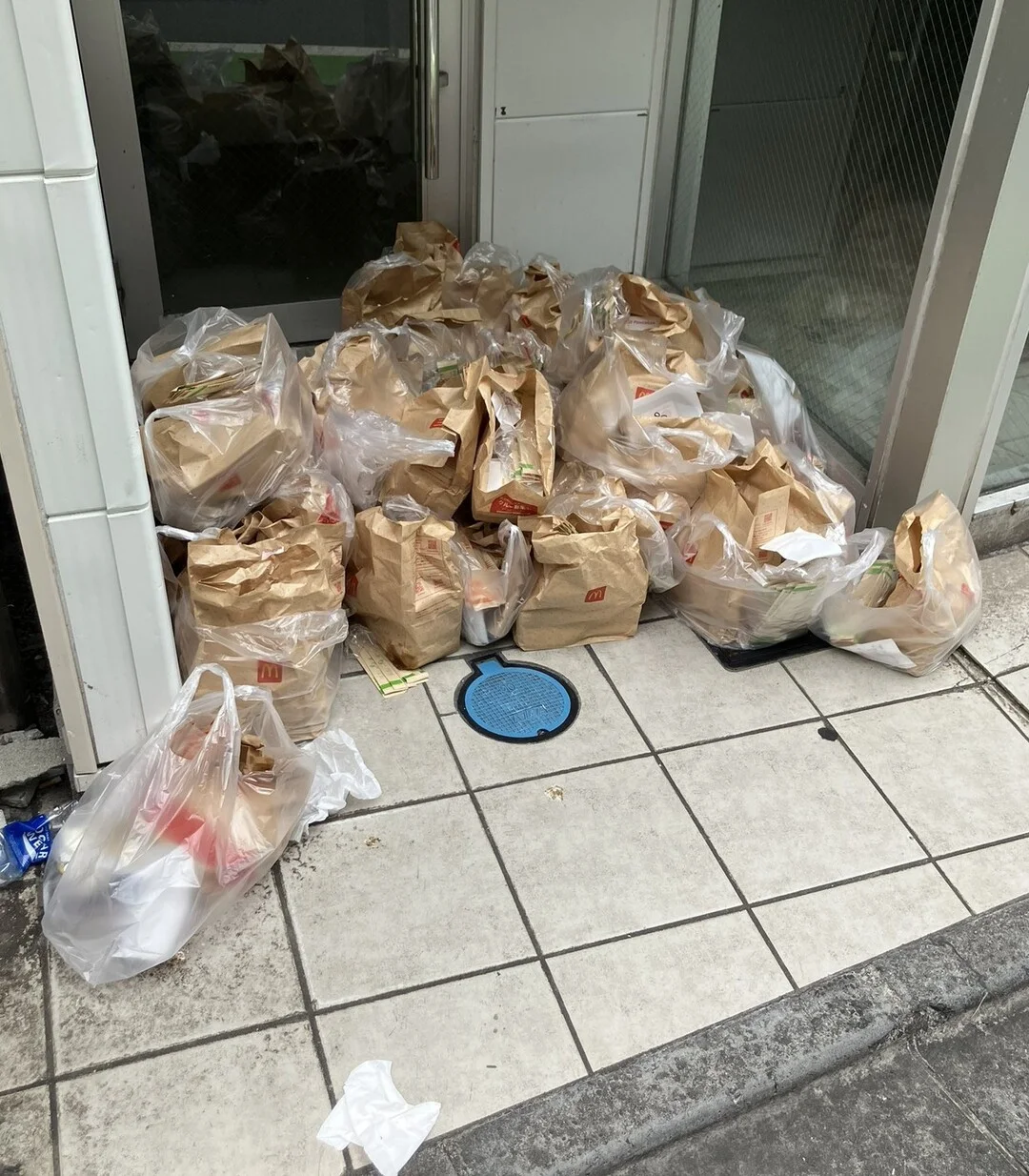
Japan McDonald purchases of Pokemon Happy Meals reduced from 5 sets to 3 sets per person/group due to reseller bulk buying and food waste controversy. Japan McDonald announced on the 14th that the purchase limit for Pokemon Happy Sets sold between August 15-17 would be reduced to 3 sets -- applied equally to both in-store and mobile orders. Background: during the first event (September 9-11), limited-edition Pokemon cards given away with Pokemon toys attracted reseller bulk buying; at some locations, Pokemon cards sold out on the first day of sale (September 9). McDonald Happy Sets are originally food + toy packages targeting child customers. However, limited-edition Pokemon cards and popular character toys have also attracted high demand from adult fans and the reseller market. In Japan resell market, popular character cards and limited-edition toys frequently trade at several times face value. McDonald Happy Sets have similarly become "investment products" straying from their original intent. The brand-reseller tension: promotional collaborations with collectible IP (Pokemon, Disney, Sanrio) reliably drive traffic for quick service restaurants but consistently create secondary market dynamics that undermine the family-friendly, accessible brand positioning; the food waste problem is particularly concerning for McDonald Japan -- resellers buying 10+ sets have no interest in the food component; reducing the purchase limit to 3 is a partial mitigation but the fundamental tension between collectible value creation and food service brand identity remains.