Dr. Stephen Thaler Argues AI Inventorship Since the 1990s
Advancing AI and the Controversy Surrounding Copyright
Dr. Stephen Thaler, developer of DABUS (Device for the Autonomous Bootstrapping of Unified Sentience), has since 2018 submitted patent applications naming DABUS as inventor to patent offices in Australia, Europe, UK, US, New Zealand, and South Africa, arguing AI systems can be patent inventors. Most countries rejected the applications on grounds that only natural persons can be inventors; however, Australian Federal Court Judge Jonathan Beach in July 2021 made the world's first ruling that AI could have inventor status (later overturned by the Full Bench).
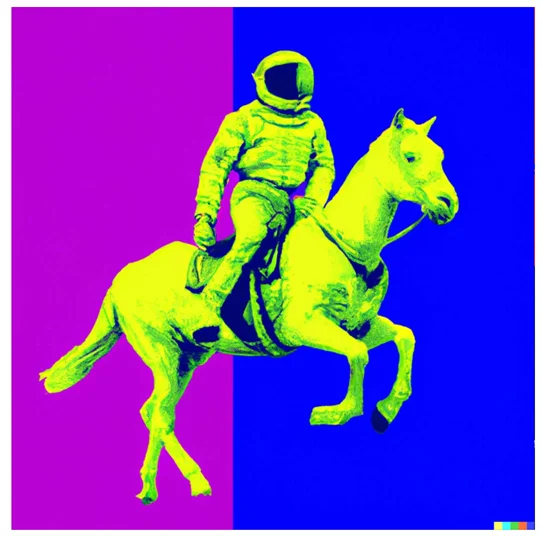
OpenAI's DALL-E (2021) and DALL-E 2 (2022) — which generates digital images from natural language prompts — sparked widespread debate about whether AI can hold copyright. The key copyright question: is the work essentially created by a human using a computer as an auxiliary tool, or did a machine actually supply the traditional elements of authorship (literary, artistic, or musical expression, selection, arrangement)? The US Copyright Office's position: copyright requires human authorship; AI-generated works without human creative input are not copyrightable. However, AI-assisted works where humans make creative choices may qualify. Legal landscape varies internationally: EU considering specific AI-generated work rights; UK contemplating "computer-generated work" copyright; Japan studying new categories. Ongoing debates include: AI companies' liability for training data copyright infringement (exemplified by Sarah Silverman's lawsuit against OpenAI in 2023); whether AI-generated works require licensing from original creators; who deserves compensation when AI creates commercially valuable content. The core tension: balancing innovation incentives with protecting human creators' rights and livelihoods in an AI-integrated creative economy.