In the EU Digital Markets Act gatekeeper acquisition list, ByteDance looks different from other Big Tech companies.
Google is acquiring AI agents, cloud security, and 3D generative AI.
Apple is absorbing sensors, audio, creative tools, and interface technologies.
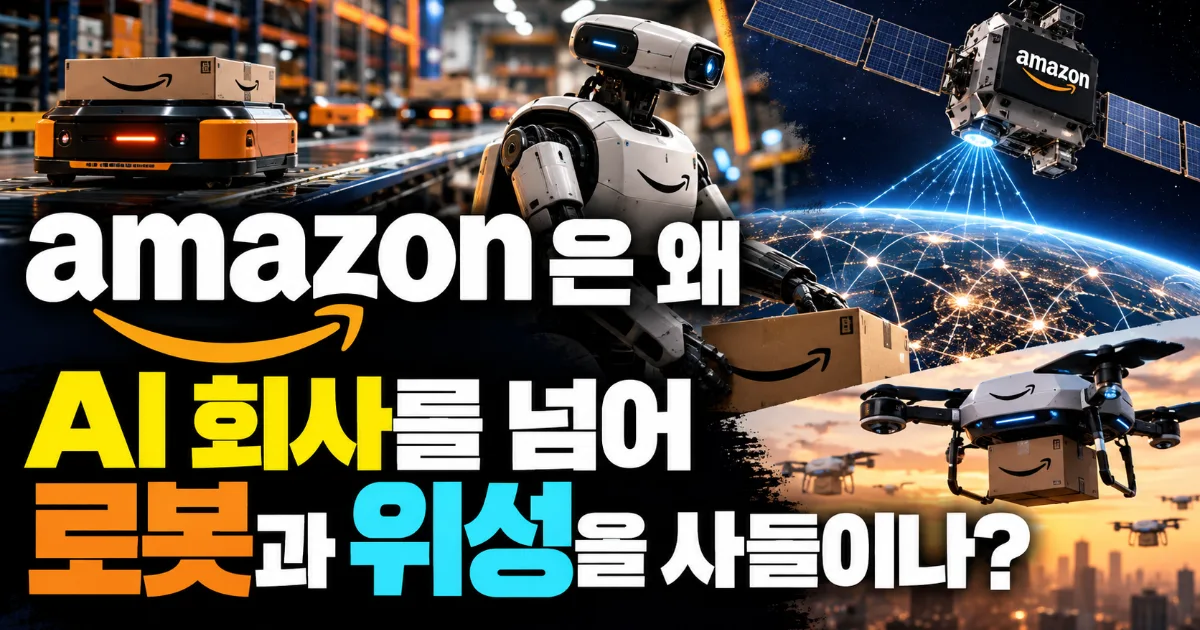
Amazon is taking in robotics, satellite communications, customer-service automation, and delivery technologies.
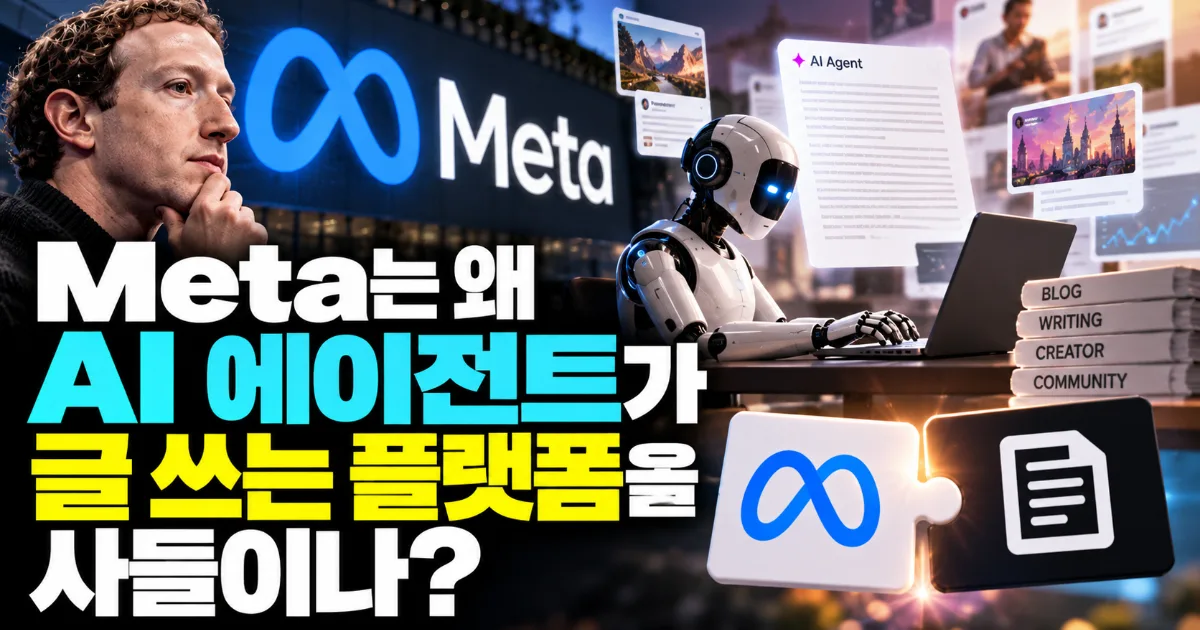
Meta is moving toward AI-agent communities, robotic intelligence, voice, and wearables.
Microsoft is securing enterprise-work tools such as finance, legal, data, and AI quality evaluation.
ByteDance’s list, by contrast, is much shorter.
The ByteDance entries in the material consist of two transactions: the acquisition of IO Media Joint Stock Company in December 2024, and the acquisition of a stake in PT Tokopedia in January 2024. Neither is an AI model company or a generative AI startup. One involves a Vietnamese payment license. The other involves Indonesian e-commerce.
That difference matters.
ByteDance’s core strength is already highly visible in AI-based recommendation and content consumption. TikTok recommends short-form video content, increases user engagement, and creates interest-based consumption. Therefore, the direction shown by ByteDance in the DMA list is less about acquiring AI itself and more about connecting the attention created by AI recommendation to transactions and payments.
The most symbolic case is Tokopedia.
According to the DMA list, ByteDance notified a transaction to acquire sole control over Tokopedia through the acquisition of a 75.01% indirect stake. Tokopedia is GoTo’s Indonesian e-commerce platform, described as a company providing e-commerce services, logistics, fulfillment, marketing, and advertising services to users in Indonesia. The transaction is described as combining TikTok’s Indonesian entertainment services with Tokopedia’s Indonesian e-commerce offering.
The meaning of this transaction is clear.
TikTok has people’s time.
Tokopedia has products and transactions.
By combining the two, ByteDance can connect interest discovered through content directly to purchase.
This is not simply an e-commerce acquisition.
Through TikTok, ByteDance understands users’ tastes, interests, trends, and purchase signals in real time. But attention alone does not complete monetization. Advertising revenue is important, but for a platform to create greater value, it needs a flow that connects discovery, recommendation, purchase, payment, logistics, and repeat purchases.
Tokopedia is the e-commerce infrastructure for that flow.
The DMA list explains that this transaction combines TikTok’s entertainment service in Indonesia with Tokopedia’s e-commerce service in Indonesia. This means ByteDance does not see TikTok merely as a content app. TikTok can be both an entertainment platform and an entry point for shopping.
This direction is especially important in Southeast Asia.
The material explains that Tokopedia is an e-commerce platform active only in Indonesia, and that the transaction relates only to Indonesia and has no connection to the EU or other jurisdictions. This wording shows that ByteDance’s strategy is not simply global expansion in a single standardized form. It is a localized combination adapted to a specific country’s platform, regulation, and commerce structure.
ByteDance’s second item is payments.
In December 2024, ByteDance notified the acquisition of IO Media. IO Media is described as an intermediary payment-service provider active only in Vietnam. Through this transaction, the material explains, ByteDance obtains IO Media’s payment license, can provide payment services through local routing in Vietnam, simplify operations, reduce costs, and optimize user experience.
This item may look smaller than Tokopedia, but it is strategically important.
In a commerce platform, payments are not merely an add-on feature. Payment is the final gateway of a transaction, a core part of user experience, and a point at which the platform can control fees, data, and financial flows. If a user discovers a product through content, develops purchase intent through a live stream or short-form video, and then drops off at the payment stage, the entire commerce strategy weakens.
ByteDance’s attempt to secure a payment license in Vietnam can be read as a move to strengthen the execution layer of TikTok-style commerce locally.
The material states that through the IO Media acquisition, ByteDance can provide payment services in Vietnam through local routing, simplify operations, reduce costs, and optimize user experience. This suggests that ByteDance is not simply entering the payment business as a separate field. It is trying to make the transaction flow inside its platform smoother.
When the two transactions are connected, ByteDance’s direction becomes clear.
In Indonesia, it combines with an e-commerce platform.
In Vietnam, it secures a payment license.
Both are described as local transactions without direct relevance to the EU.
Both connect TikTok’s content platform to commerce infrastructure.
In other words, ByteDance’s DMA list looks less like a list of AI technology acquisitions and more like a ledger showing the evolution of TikTok into a regional commerce platform.
This makes ByteDance ask a different question from other Big Tech firms.
Google asks: how can enterprise data and AI agents be connected?
Apple asks: how can AI be embedded into device experience?
Amazon asks: how can AI be connected to logistics and robotic operations?
Meta asks: can AI agents become actors in social interaction?
Microsoft asks: how can AI become the execution layer of enterprise work?
ByteDance asks a different question.
How can attention generated by content be converted into transactions?
TikTok’s power lies in its ability to gather attention quickly. Short-form video accelerates product discovery. Creators introduce products naturally. The algorithm pushes content that users are likely to enjoy. But for this power to become commerce, e-commerce platforms and payment infrastructure are necessary.
Tokopedia and IO Media are those two pieces.
Tokopedia provides products, sellers, logistics, fulfillment, marketing, and advertising.
IO Media provides a local Vietnamese payment license and the operating foundation for payment services.
TikTok provides attention, traffic, recommendation, and content consumption.
When these three elements are combined, ByteDance can move beyond being a content platform and become a transaction platform.
Of course, based only on the material, ByteDance’s entries are limited.
Only two ByteDance transactions are disclosed in the DMA list, and both are described as country-specific transactions without direct connection to the EU. Therefore, this material alone does not allow us to draw broad conclusions about ByteDance’s entire AI strategy or global M&A strategy.
But within this list, the direction is clear. ByteDance is moving less like a company hunting AI startups and more like a company securing regional commerce and payment infrastructure.
That limitation itself has journalistic meaning.
ByteDance has already grown as an AI-recommendation-based content platform. As a result, the expansion revealed in the DMA list appears not as the acquisition of AI technology, but as control over the transaction chain that follows recommendation. ByteDance looks less like a company buying AI and more like a company converting AI-generated demand into commerce.
This strategy shows the next stage of the platform economy.
The first stage is securing users’ time.
The second stage is predicting attention.
The third stage is turning attention into product discovery.
The fourth stage is connecting product discovery to purchase and payment.
The fifth stage is controlling payments, logistics, and the seller ecosystem.
ByteDance’s DMA list points toward the fourth and fifth stages.
Tokopedia is products, logistics, and the seller ecosystem.
IO Media is payments and local operations.
TikTok is attention and recommendation.
This combination can be especially powerful in Southeast Asia.
Southeast Asian markets are mobile-centered, the integration of social platforms and commerce is moving quickly, and payment, logistics, and regulatory environments differ by country. For a global platform to operate local commerce, simply launching an app is not enough. It needs local partners, licenses, payment networks, logistics systems, and a seller base.
Tokopedia and IO Media provide that local foundation.
The material explains that the Tokopedia transaction relates only to Indonesia, and that the IO Media transaction relates only to Vietnam and has no direct connection to the EU or other jurisdictions. This shows that ByteDance is expanding commerce by securing the infrastructure needed in each local market.
This strategy also carries regulatory risks.
When a content platform combines commerce and payments, platform power increases. Users can watch content, buy products, and complete payments inside the same ecosystem. Sellers become more dependent on the platform’s algorithm and advertising system. Data expands from content preferences to purchase intent, transaction history, and payment information.
TikTok’s algorithmic influence can therefore extend into consumer behavior.
This is both the strength and the risk of ByteDance’s strategy.
Content recommendation no longer only determines what people watch. It can influence what people buy. When the creator economy combines with commerce, sales can become more natural, but the boundary between advertising and content, youth protection, consumer protection, seller fairness, and data-use issues all become more significant.
If payment infrastructure is also secured, the platform’s responsibility becomes even larger.
Payments connect to financial regulation. Local routing, cost reduction, and user-experience optimization are commercially attractive, but they also bring responsibilities related to payment stability, anti-money laundering, consumer refunds, dispute handling, and data protection.
ByteDance’s DMA list is short, but that makes it even clearer.
The company does not appear in this year’s list as a buyer of multiple AI technology startups. Instead, it focuses on connecting TikTok’s core asset — attention — to regional commerce infrastructure. This suggests that ByteDance’s growth strategy is moving from better recommendation to control over the transactions that happen after recommendation.
Ultimately, ByteDance’s competitors are no longer only social platforms.
In Indonesia, it competes with e-commerce platforms.
In Vietnam, it connects to payment infrastructure.
Across Southeast Asia, it overlaps with Shopee, Lazada, local payment providers, logistics companies, and advertising platforms.
If TikTok absorbs commerce, the boundary between content platforms and transaction platforms becomes blurred.
The small number of ByteDance entries in the DMA list may not be the most important point.
The important point is direction.
ByteDance is not buying AI companies in the way some other gatekeepers are. It is extending the power already created by AI recommendation into transaction systems. If TikTok reads user tastes, content creates product discovery, Tokopedia provides sales and logistics, and IO Media supports payments, ByteDance can create a closed loop from content to payment.
That is ByteDance’s distinctive position.
Google organizes information.
Apple integrates device experience.
Amazon automates logistics and operations.
Meta expands relationships and interaction.
Microsoft turns enterprise work into AI workflows.
ByteDance converts attention into transactions.
TikTok’s next competitive edge does not end with showing more videos.
When those videos lead to purchases, when payments happen inside the platform, and when sellers, logistics, and advertising are bound into one ecosystem, ByteDance’s platform power grows.
The DMA list shows a small cross-section of that change.
ByteDance is not quietly buying up AI companies.
It is connecting the flow of attention created by AI recommendation to regional payment and e-commerce infrastructure.