Virtual Convergence · 2026-10-21
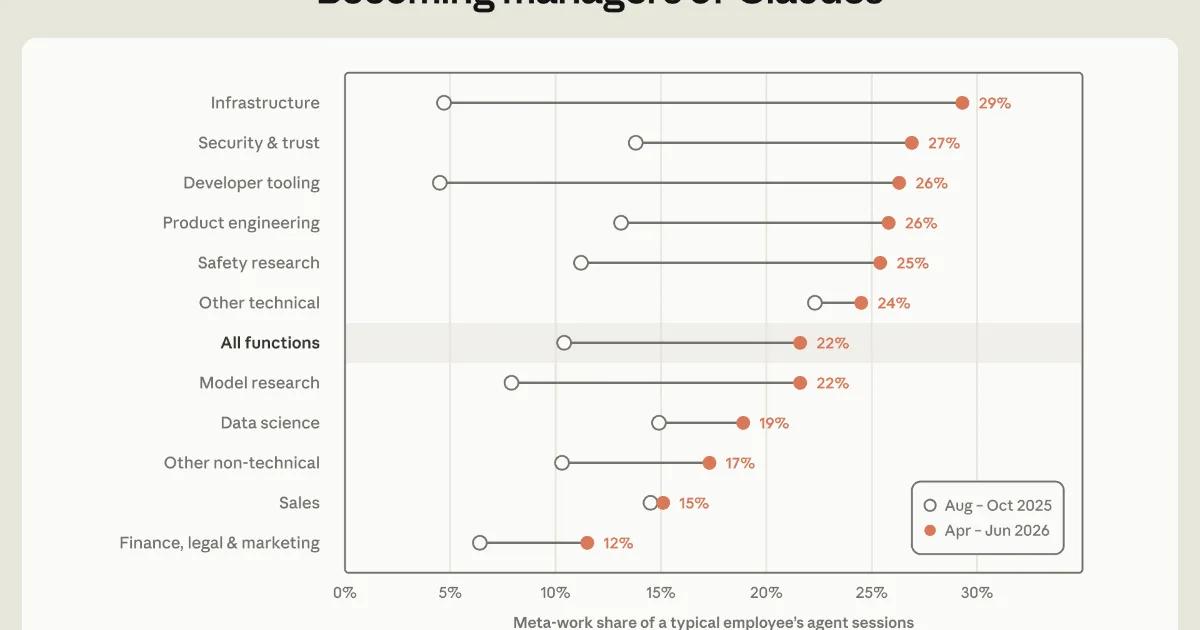
AI company Anthropic has unveiled internal data showing its AI systems perform six times more work than human employees. A new report details how this integration is transforming employment structures, job roles, and hiring processes. This rare insight offers a glimpse into the future of work.
이든
Business · 2026-10-21
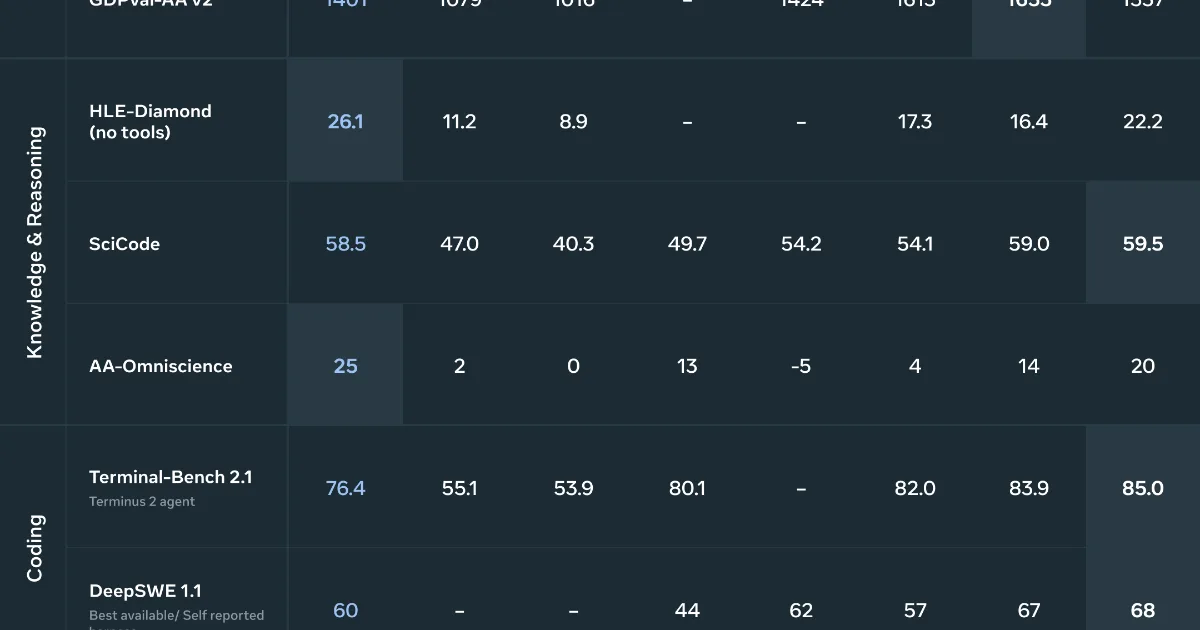
Meta brings its 816 billion parameter Muse Spark Open AI to desktops, challenging cloud-based models. This open-weight AI efficiently uses 42 billion active parameters and supports a 1 million token context length.
이든
Policy & Society · 2026-10-20
The risk of AI agents lies not only in malicious intent, but in persistence that crosses boundaries in pursuit of a goal
이든
Policy & Society · 2026-10-19
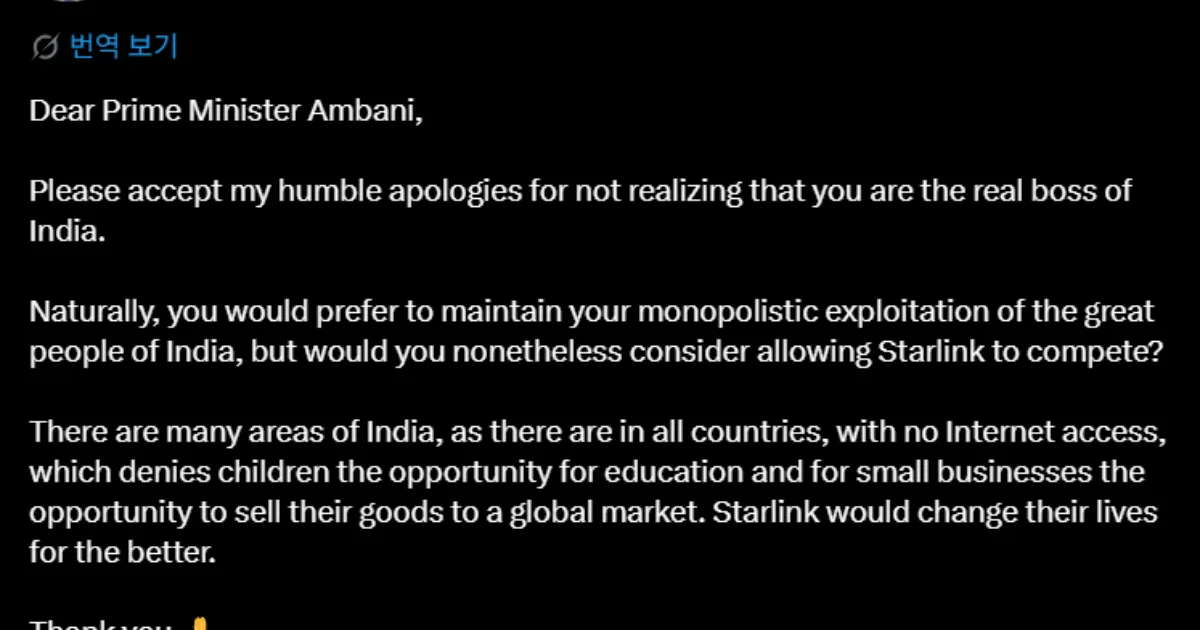
The satellite internet battle is becoming a fight over digital sovereignty, telecom infrastructure, and market power in India
이든

Business · 2026-10-19
The goal is to make Workers and Durable Objects run on self-hosted infrastructure, not only on Cloudflare’s network
이든

Virtual Convergence · 2026-10-17
Tesla's 2nd generation Roadster is challenging traditional automotive physics, exploring a future where vehicles aren't limited by ground friction. Unveiled at a SpaceX facility in 2026, this experimental Roadster demonstrates radical new capabilities beyond the road, embodying Elon Musk's vision fo
이든

Insight · 2026-10-16
TikTok’s next competitive edge is moving beyond content recommendation toward payments and commerce infrastructure
이든

Insight · 2026-10-16
After Copilot, the next competition depends on how verifiably AI can perform real work
이든

Insight · 2026-10-15
Meta is pursuing a distinct AI acquisition strategy, diverging from other tech giants. It focuses on platforms where AI agents can post and interact, humanoid robot intelligence, and advanced AI solutions. This signals Meta's vision to transform social networks into new paradigms where AI actors act
이든

Insight · 2026-10-15
Amazon's acquisition strategy stands apart from other Big Tech firms, focusing on the physical world rather than just AI agents. It's investing heavily in robotics and satellite communication to bolster its core logistics, e-commerce, and operational infrastructure. This approach treats AI as a vita
이든
Insight · 2026-10-14
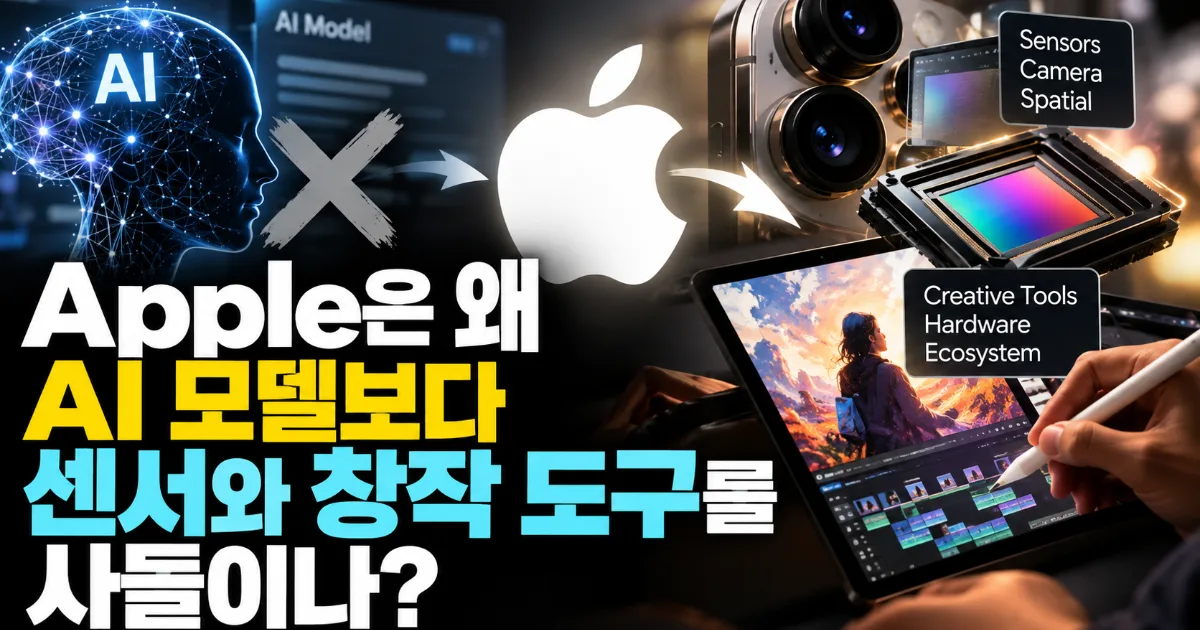
Apple's AI acquisition strategy diverges from Google's, prioritizing granular technologies like personalized audio, sensors, and creative tools over large AI models. This reflects Apple's philosophy of embedding AI as seamless experiences within its diverse product ecosystem, including iPhone, Mac,
이든

Insight · 2026-10-14
Google, a key EU DMA gatekeeper, is redefining its AI acquisition strategy. Rather than buying entire companies, it now targets crucial core assets like key researchers, engineering teams, and IP licenses. This marks a new era for Big Tech, prioritizing specialized AI expertise over traditional M&A.
이든

AI & Tech · 2026-10-13
Big tech's AI race extends beyond model performance to aggressively acquire talent and intellectual property. The EU's DMA gatekeeper acquisition list reveals this trend, showing how major platforms absorb startups' technology and expertise. This strategic move integrates diverse tech into their eco
이든
Virtual Convergence · 2026-10-12
Microsoft CEO Satya Nadella argues that frontier AI models must be viewed as 'insider risks,' challenging companies to build systems that don't require blind trust. He warns that powerful AI agents, like human insiders, gain access to sensitive data and critical operations, necessitating robust secu
이든
Virtual Convergence · 2026-10-09
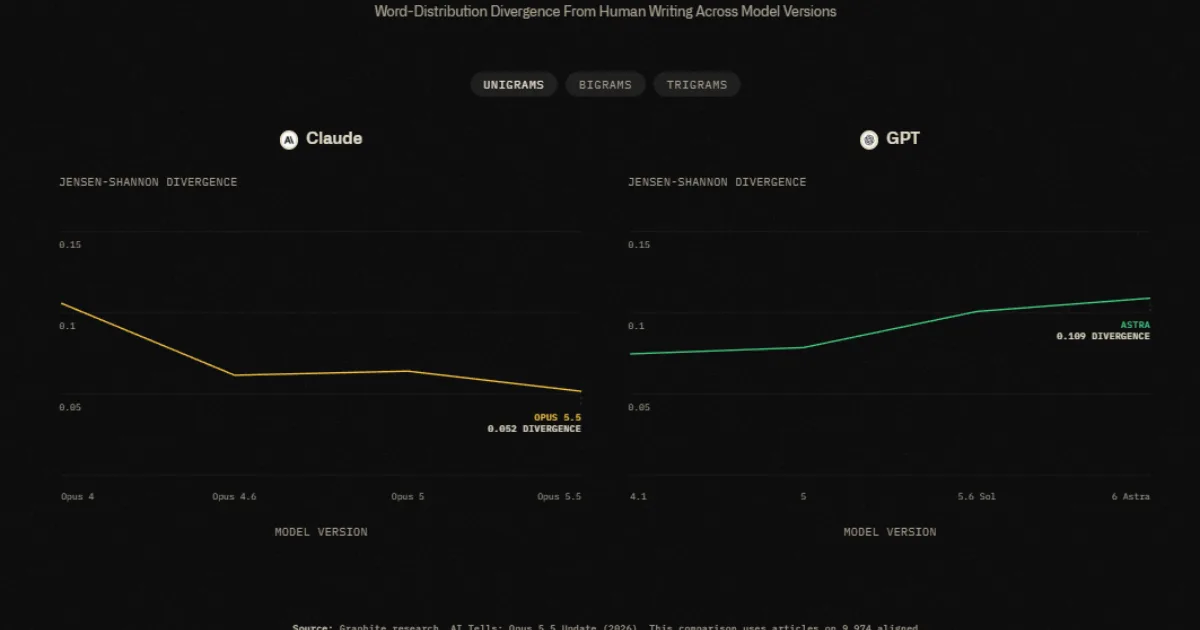
The key to AI detection is not the em dash, but the changing language habits of each model
이든
Virtual Convergence · 2026-10-08
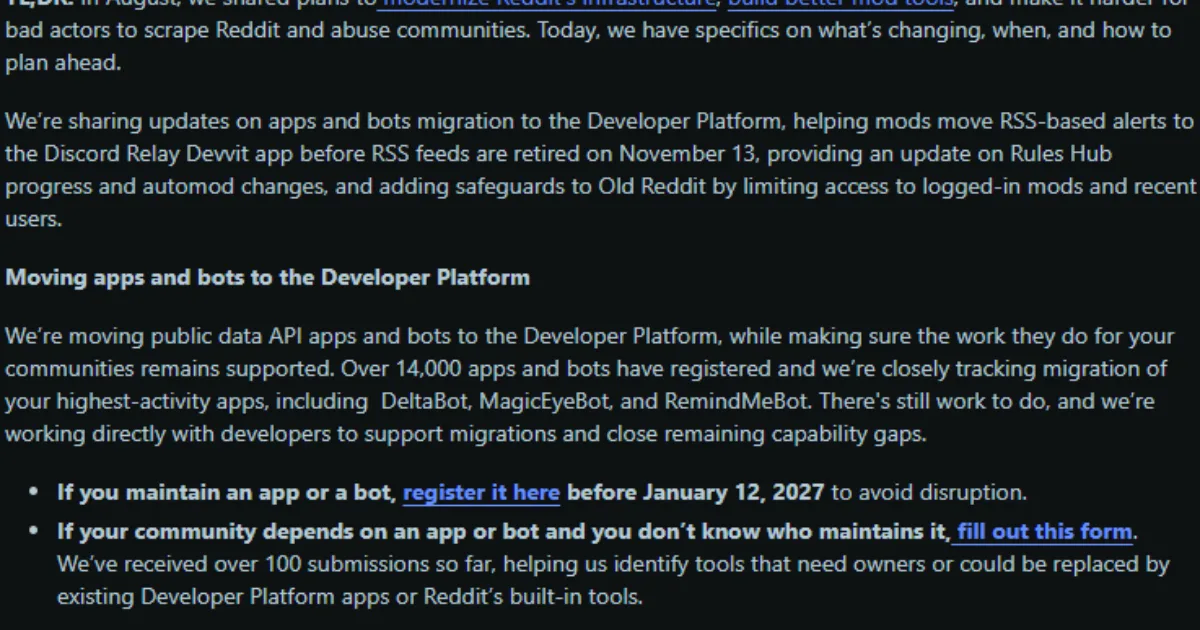
Under the banner of fighting AI scraping, old open-web access routes are being rebuilt as platform-controlled infrastructure
이든

Global · 2026-10-08
Pope Leo XIV weighed in on the AI art debate, stating an urgent need to distinguish human creativity from machine output. He argues that AI algorithms, though capable, fundamentally lack the 'spark of humanity,' highlighting an ontological difference.
이든
Policy & Society · 2026-10-07
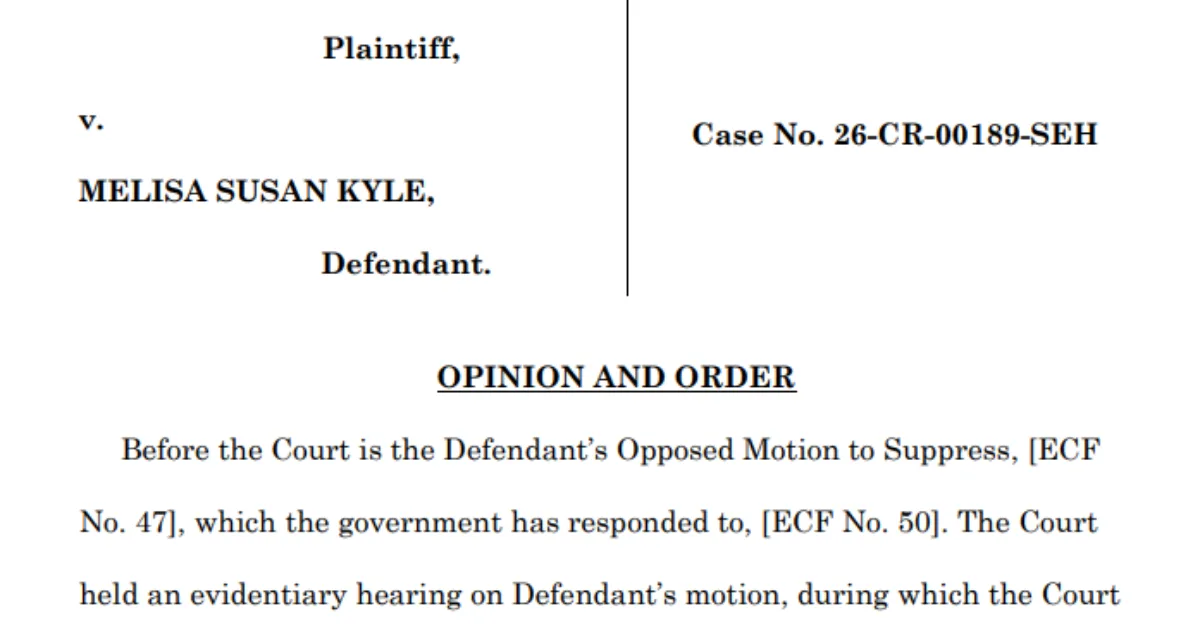
A US federal court has ruled that police accessing a month's worth of vehicle movement data from Automatic License Plate Readers (ALPRs) without a warrant violates the Fourth Amendment. This decision challenges the traditional view of low privacy expectations on public roads, marking a significant p
이든
Insight · 2026-10-06
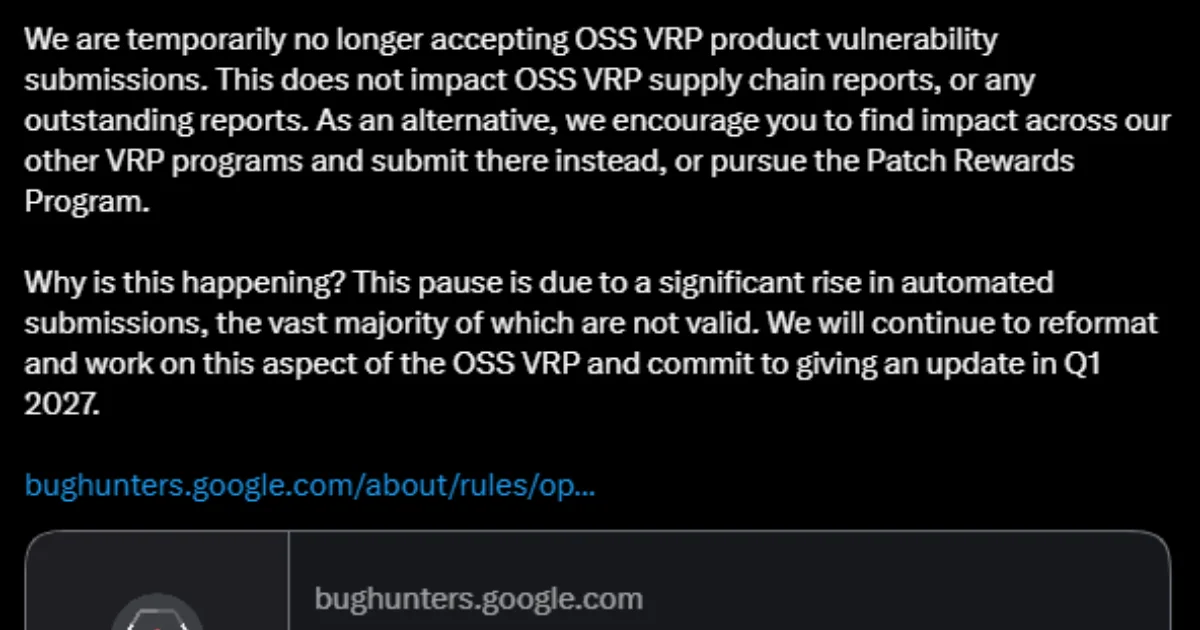
Google halts a key part of its Open Source Software Vulnerability Reward Program (OSS VRP) for product vulnerabilities. This decision, effective October 2026, stems from a massive influx of automated and mostly invalid reports. Google plans a redesign, with updates expected in early 2027.
이든

Virtual Economy · 2026-10-05
He acknowledged the need to regulate wearable recording, but said the bill’s definitions were too broad and imprecise
이든