In June 2026, a large-scale event centered on card culture was held in Seoul: KCCF 2026, the Korea Card Culture Fair. According to the official website, the event took place over two days, from June 6 to 7, 2026, at Exhibition Hall 2 of the Seoul aT Center. It was hosted and organized by Daewon Media and Card Hobby. The event featured 50 table vendor teams, 12 booth vendors, and 10 island booth companies.
Various card IPs and brands will participate in the event, including Yu-Gi-Oh!, One Piece, Digimon, Vanguard, CookieRun, TOPPS, and PANINI. The event slogan is “All the cards in the world, gathered here.” As the slogan suggests, card games, sports cards, character cards, and collectible cards will all come together in one space.
What is interesting is not simply the fact that a card event is being held. Card events have existed before. There have been tournaments, new product sales, and gatherings for fans of specific card games. However, the scene presented by KCCF 2026 is slightly different. Rather than being a tournament for one specific card game, the event seems closer to an attempt to bring multiple fandoms together around the format of cards.
For that reason, it is difficult to explain this event simply by saying that “the card market has grown.” What matters more is the way cards are once again bringing people together. Cards are no longer merely supplementary merchandise for games or animation. They are becoming a medium of participation that allows people to hold IP in their hands, exchange it, compete with it, display it, and authenticate their fandom through it.
The changing way fandom gathers
The first thing that stands out when looking at KCCF 2026 is its comprehensive nature. The event does not put forward only one IP, one game, or one brand. It attempts to bring together trading card games, sports cards, character IP cards, individual sellers, and collector markets. The official participation page also introduces the event as an “All-Round Card Culture Universe Festival,” with free admission for visitors.
This expression may sound somewhat exaggerated, but the direction is clear. The goal is to group cards not merely as a product category, but as a cultural sphere. Fans of Yu-Gi-Oh!, fans of the One Piece Card Game, Digimon card fans, sports card collectors, CookieRun IP fans, individual sellers, and collectors all enter the same space. At this point, the center of the event is not one specific card, but the movement of people surrounding those cards.
Existing card events have generally been understood as tournament-centered. What mattered was who built the stronger deck, which card dominated the meta, and which player won. Of course, these elements remain central to card culture. However, the festival format adds another layer. It draws not only people who come to watch tournaments, but also people encountering cards for the first time, people who like a specific IP, people who want to see rare cards, and people interested in exchange and trade.
This change is not small. Cards are no longer objects only for players; they can become points of contact where an entire fandom meets. Even people who do not know cards well can enter if they like a character, and people who do not play the game can approach cards as collectibles. Conversely, someone who begins with collecting may move toward competitive play. Card events become an entrance that makes this movement possible.
Ultimately, the meaning of KCCF 2026 does not lie only in the fact that cards are being sold. It lies in the fact that different fandoms are meeting in one space around cards. A card festival is not simply a product exhibition hall. It is closer to a space that redesigns the movement of fandom.
Cards are becoming “participatory IP,” not just “merchandise”
At this point, one important sentence emerges. Cards are once again becoming not just “merchandise,” but “participatory IP.”
Of course, cards do have the nature of merchandise. Characters are printed on them, they have collectible value, and limited editions and rarity exist. But unlike ordinary merchandise, cards move. While figures, posters, and acrylic stands are mainly closer to items for possession and display, cards continue to be used even after they are collected.
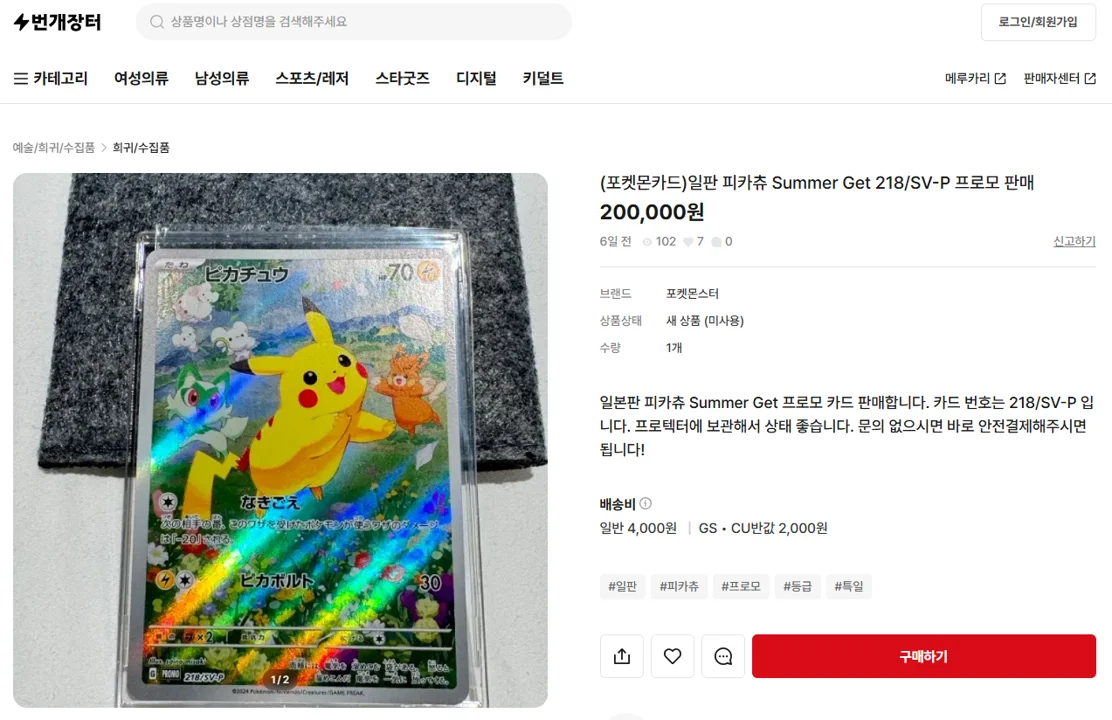
Cards are drawn, collected, exchanged, used to build decks, played in matches, checked for condition, compared in price, and traded again. They do not simply sit on a desk. They move between people. The value of a card does not arise only from its image or rarity. Its meaning changes depending on who owns it, how it was obtained, what deck it belongs to, what situation it is used in, and with whom it was exchanged.
For that reason, cards are objects that consume IP and, at the same time, devices that allow people to participate in IP. Some fans collect cards because they like the characters, some build decks because they are drawn to the game rules, and some examine the condition and value of rare cards. The same card can be a memory to one person, a strategy to another, a collectible to someone else, and a tradable asset to another.
This complexity is the power of cards. Cards do not make people consume IP in only one way. They simultaneously create viewers, collectors, competitors, sellers, and exchangers. Through cards, fans do not stop at looking at an IP from the outside. They enter the IP in their own way.
In this sense, cards are not simple character products. A card is not just paper with a character printed on it. It is a form of participation that allows people to collect, exchange, compete with, and authenticate an IP. This is why the expression “participatory IP” is possible. Cards do not end with containing the image of an IP. They continue to generate fan behavior.
Fandom is moving from a place where people watch content to a place where they recognize one another
Fandom already exists online. On YouTube, online communities, Discord, X, secondhand trading platforms, and streaming chats, fans share information and leave reactions. News about new products spreads quickly, and deck lists and price information can also be checked online. Even without gathering offline, fandom can be formed and maintained sufficiently.
Even so, card events bring people back offline. The reason is that cards are a medium well suited to face-to-face experience. Cards can be shown directly, flipped through by hand, checked for condition, and exchanged or traded on the spot. Matches also feel different when opponents sit across from each other. Tastes that existed online as information and images become concrete offline as cards and people in front of one’s eyes.
At this point, a card event is not simply a space that shows content. It is a space where people who like the same IP confirm one another’s tastes and ways of participating. By looking at someone’s binder, one can tell which characters and series they have liked for a long time. By looking at someone’s deck, one can guess their play style. What card someone is searching for, what card they proudly take out, and what card they linger in front of become that person’s fandom language.
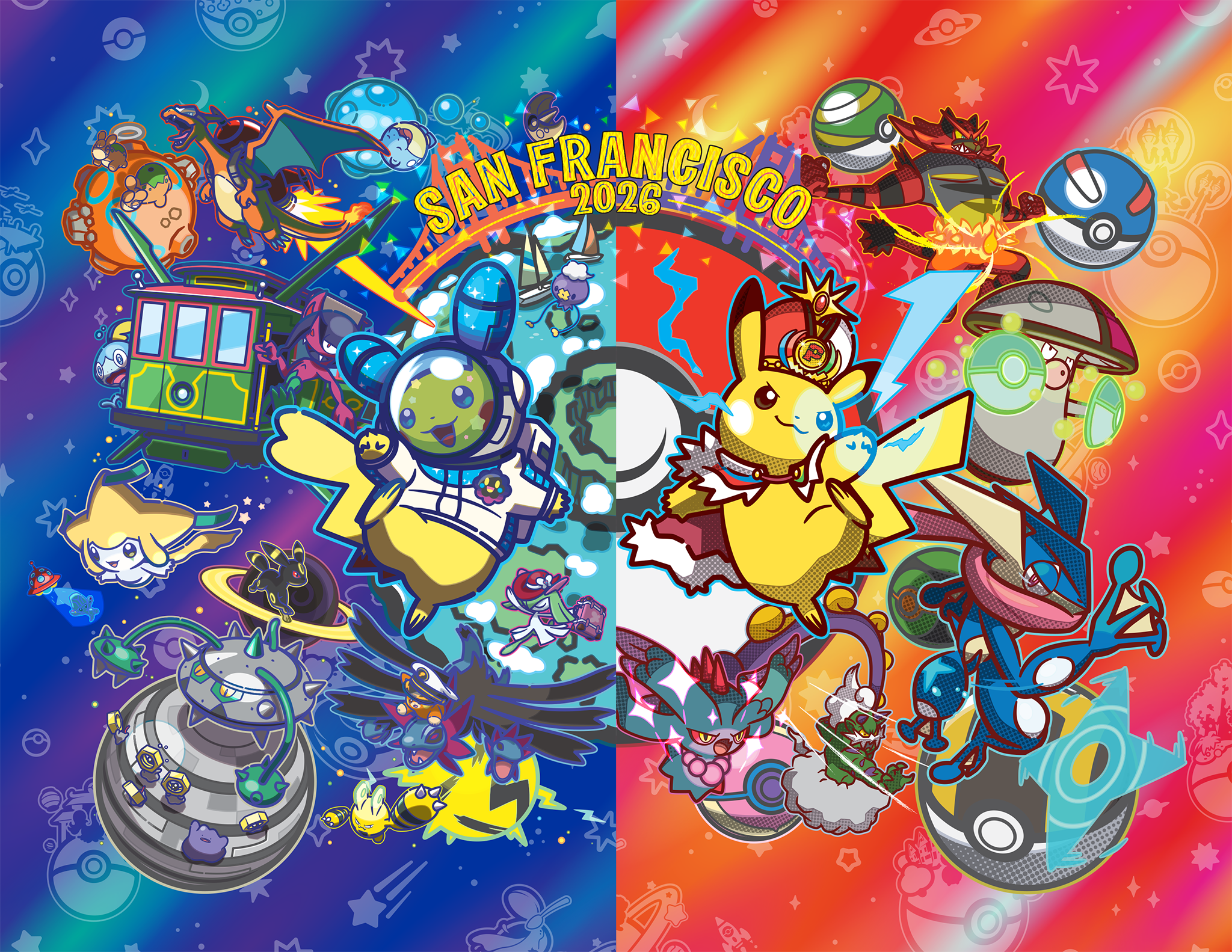
In this sense, a card festival is a physical point of contact for fandom. If online fandom moves around words, images, and reactions, offline card events move around exchange, contact, and face-to-face play. Fans go beyond the fact that they like the same content and encounter the ways in which others have liked that content over time.
Many media outlets also describe KCCF 2026 as a place where various card worlds and fandoms can gather in one place and enjoy card culture. This expression is close to promotional language, but it contains an important change. Fandom is no longer limited to a loose group of people who watch content. It is expanding into scenes where people with the same tastes gather in one space and reveal the time they have accumulated through their collections and styles of play.
The reason cards are suitable for this is clear. Cards are small and light, but within them are tastes, time, and relationships. What cards someone has collected, what deck they have built, and what card they are looking for are not simple records of consumption. They are traces that show how that person has liked the IP. A fan’s identity, which appears online through profiles and posts, appears offline through binders, decks, and exchange tables.
Therefore, the meaning of a card event does not lie only in the fact that people come to see cards. It lies in the fact that people who like the same IP bring their collections and play styles out in front of others. A card festival is a space where cards are traded, but also a space where fandom is organized into a visible form. Tastes that were scattered online are rearranged at the offline event venue in the form of binders, decks, booths, tables, and conversations. A single card may be small, but the moment people gather while holding those cards, fandom becomes a scene.
Game IP expands beyond play time into relational time
From the perspective of the game industry, a card festival is not simply an event for supplementary merchandise. It is closer to a case that shows how far game IP can expand. In the past, the vitality of a game was usually judged by play time, the number of users, revenue, and update cycles. These indicators are, of course, still important. However, for an IP to survive for a long time, the experience inside the game alone is not enough. Even after the game is turned off, its world and characters must be talked about, owned, exchanged, and discussed again.
Cards play a unique role at this point. Even people who do not play the game can approach the IP through cards, and animation fans can begin with character cards and move toward card games. Conversely, card game users may broaden their interest toward the original game or animation. Cards create one more entrance into an IP, while also giving fans who are already inside the IP a reason to stay longer.
This is different from simple merchandise sales. If ordinary merchandise is a product that follows the popularity of the original work, cards sometimes create activities separate from the original work. As collecting, deck building, matches, trading, and event participation are repeated, fans remain connected to the IP even during the time when they are not playing the game. This is exactly how cards extend the life of an IP. Even after play stops, relationships remain.
Ultimately, cards are important not because they replace games. They are important because they create another kind of time in which fans can remain within the IP even after the game ends. The experience inside the game does not end within the server and the screen. Through the format of cards, it moves between people. At this point, IP becomes not simply content that is played, but a foundation for relationships that are collected, shared, and revisited.
What KCCF 2026 shows is the platformization of card culture
Returning to KCCF 2026, the meaning of the event becomes somewhat clearer. What matters is not only the fact that the card market has grown. The more fundamental change is that card culture is beginning to be organized like a platform. Here, platform does not mean a digital service or an application. It is closer to a point of contact where IP, fans, collectors, players, sellers, and brands meet in one space.
KCCF 2026 is not a tournament for a specific card game or a promotional event for a single brand. It is structured so that various card IPs and brands, vendors, and fans gather together. This format shows that cards are no longer consumed only as individual products. Cards are sold and displayed, but at the same time, they call people together, create relationships, and encourage new forms of participation.
Of course, there is no need to view this trend too optimistically. The card market also brings issues such as overheating around rarity, price speculation, entry barriers, and differences in taste between generations. An event cannot continue simply by gathering popular IPs. It also needs an experience structure that allows beginners to enter, depth that satisfies existing fans, and trust surrounding trade and collection.
Even so, KCCF 2026 is an important signal. The reason game cards are receiving attention again is not simply that they are small and attractive objects. It is because IP, fandom, and relationships are contained within them. Cards are light, but the culture surrounding them is not.
Ultimately, the potential of this event does not lie in the cards themselves. It lies in the way fandom gathers, exchanges, and participates around cards. Game cards are no longer accessories to games. They are becoming points of contact that allow IP to come alive again between people. The fact that cards are becoming a festival does not only mean that the value of a single card has grown. It means that the time of the people who gather while holding those cards is beginning to be recognized as a culture.