Among this year’s EU Digital Markets Act gatekeeper acquisition disclosures, Meta’s movement is unusually distinctive.
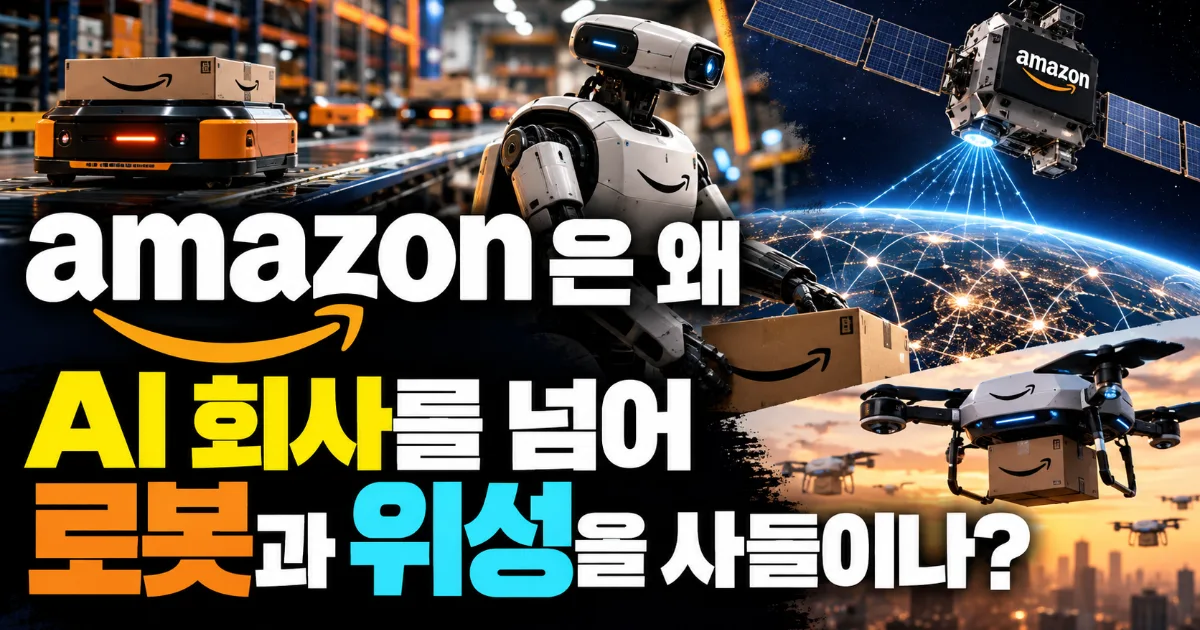
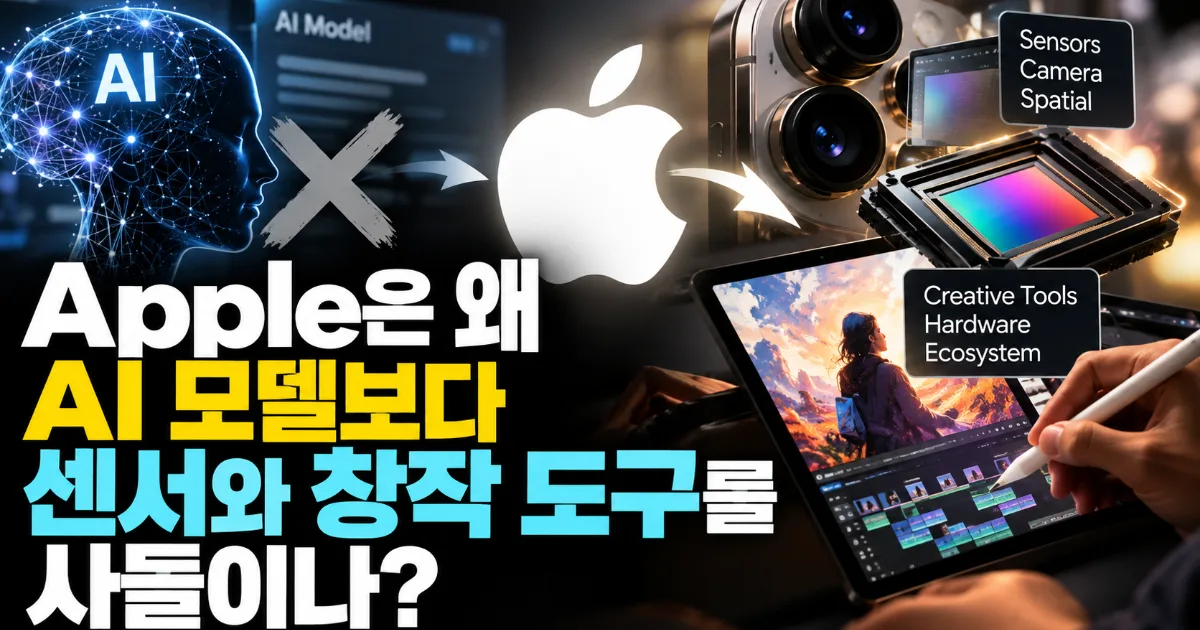
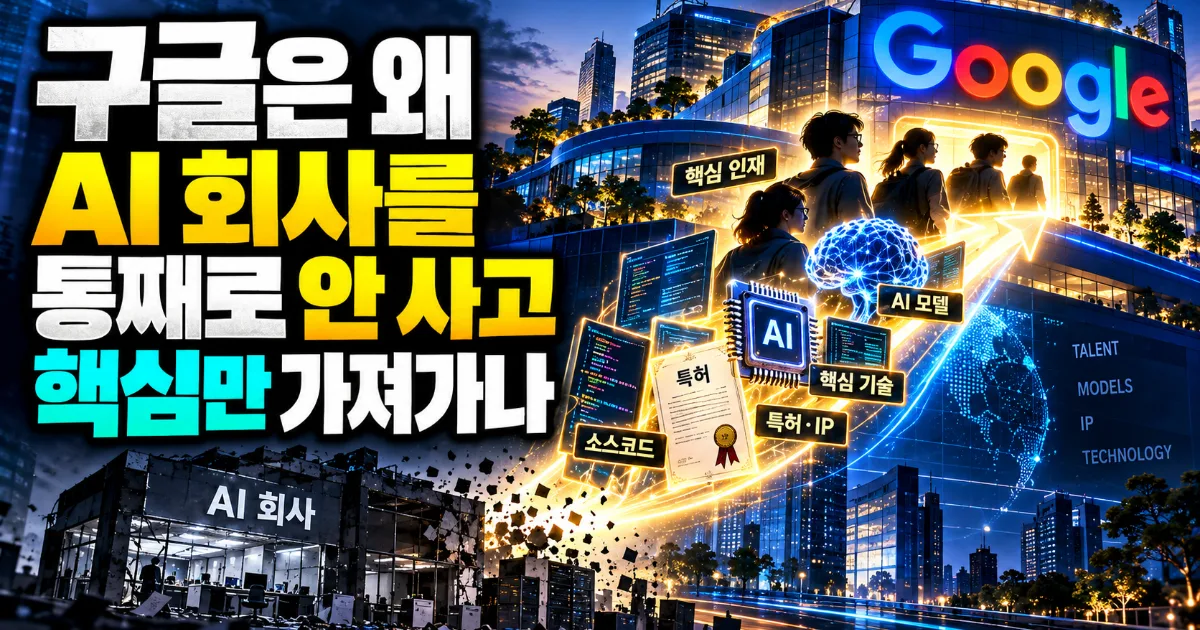
If Google is moving toward enterprise AI agents and cloud security, Apple is pulling sensors and creative tools into device experiences, and Amazon is heading toward robotics, logistics, and delivery infrastructure, Meta is looking in a different direction.
Meta’s 2026 list includes humanoid robotic intelligence, an AI chat interface based on end-to-end encryption, a platform where AI agents can post, comment, and discuss, and AI solutions that automate complex multi-step tasks.
This combination suggests Meta’s next strategic direction.
Meta no longer appears to imagine only a social platform that connects human users. It is looking toward a world in which AI agents participate, robots learn, voice and wearables remember everyday conversations, and enterprise AI performs complex work.
In other words, Meta’s AI strategy is expanding beyond the AI-ification of social networks into a new kind of network in which AI actors themselves participate.
The most striking item this year is Moltbook.
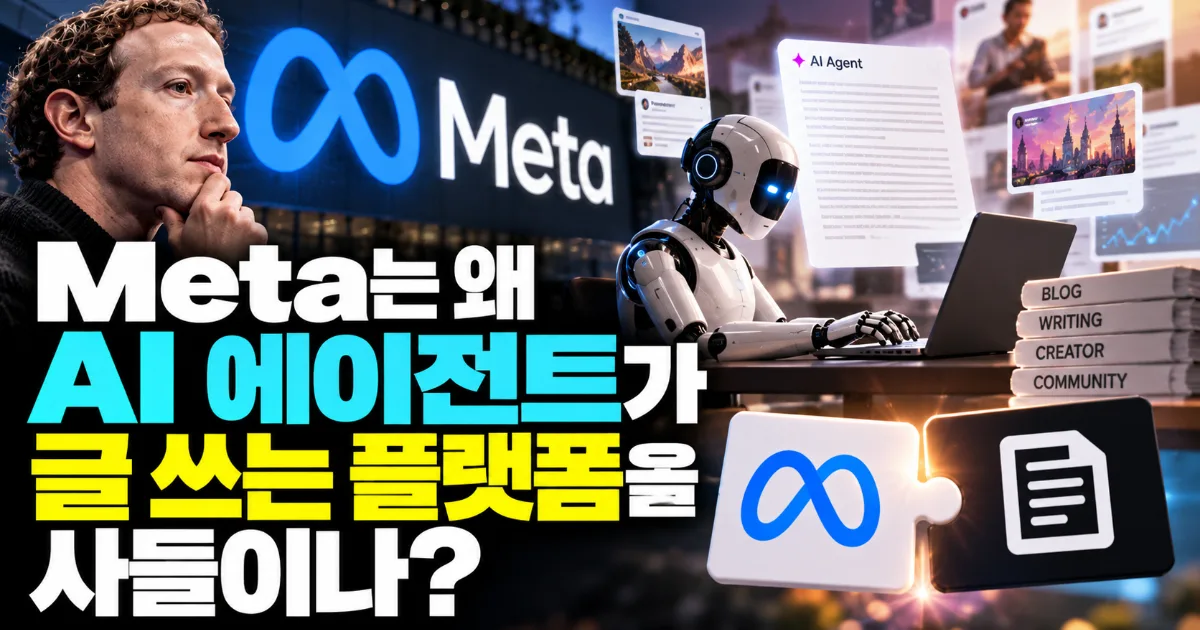
According to the DMA list, in March 2026 Meta notified a transaction to acquire Moltbook from Octane. Moltbook is described as a platform designed for AI agents to post, comment, discuss, collaborate, and create topic-based subgroups.
The description is unusual.
Social platforms have traditionally been spaces where humans write posts, leave comments, debate, and create groups. Moltbook changes the subject of those actions. AI agents write posts, comment on one another’s posts, discuss, collaborate, and create subgroups.
This is not simply a workplace automation tool.
It is closer to a social space for AI agents. Just as humans share information in Facebook groups or Reddit communities, AI agents may be able to work, exchange views, and collaborate in topic-based spaces. The fact that Meta acquired such a platform shows how far social platforms may expand in the AI era.
For Meta, this may be a natural question.
Until now, Meta has connected human relationships and interests. Friends, family members, creators, brands, communities, and advertisers have interacted inside Meta’s platforms. But if AI agents become widespread, they too become information producers, workers, and interactive actors. In that case, the future social graph may include not only humans but also AI agents.
Moltbook points directly to that possibility.
A platform where AI agents post and discuss goes beyond AI writing on behalf of humans. If multiple agents can collaborate, debate, structure information, and create topic-based groups with their own roles, this becomes a new kind of knowledge-production network.
Meta’s second axis is secure AI interfaces.
In March 2026, Meta notified a transaction involving the acquisition of certain assets of Confer. Confer is described as operating an AI chat interface that provides access to large language models while protecting user conversations through end-to-end encryption.
This item also feels very Meta-like.
Meta has massive messaging infrastructure through WhatsApp and Messenger. WhatsApp, in particular, has made end-to-end encryption a central part of its identity. When AI is combined with messaging, the most sensitive issue is conversation privacy. Users may enter more personal questions and work-related information into AI systems. If the path to AI is not secure, trust collapses.
Confer is connected to precisely this problem.
Based on the DMA description, Confer provides an AI chat interface for accessing large language models while protecting user conversations through end-to-end encryption. Meta’s interest in these assets can be read as part of an effort to combine AI conversation experiences with privacy.
This is an unavoidable challenge when Meta brings AI into social and messaging environments.
The more personalized AI becomes, the more context it requires.
More context means more sensitive data.
As sensitive conversations flow into AI systems, security and encryption become core competitive capabilities.
Meta’s third axis is robotic intelligence.
In April 2026, Meta notified a transaction to merge Assured Robot Intelligence into Meta. Assured Robot Intelligence is described as a developer of robotic-intelligence software that enables humanoid robots to autonomously learn and perform complex physical tasks.
This entry shows that Meta’s AI strategy does not remain confined to screens.
Meta has long invested in VR, AR, the metaverse, smart glasses, and spatial computing. If robotic intelligence is added to this direction, AI expands from a system that speaks and answers in virtual spaces into a system that learns and acts in the physical world. Technology that enables humanoid robots to autonomously learn and perform complex physical tasks connects to the question of AI acquiring a body.
Why would Meta be interested in robotic intelligence?
First, AI models need to understand the physical world.
Second, AR, VR, and smart glasses require spatial and action-recognition technologies.
Third, robot learning is an important research area that combines vision, language, and action models.
Fourth, in the long term, AI agents may expand beyond digital spaces into real-world tasks.
The DMA list does not reveal a specific product plan. But the fact that Assured Robot Intelligence is described as developing software that enables humanoid robots to learn and perform complex physical tasks autonomously suggests that Meta sees robotic intelligence as one axis of AI expansion.
The fourth axis is multi-step AI automation.
In January 2026, Meta notified the acquisition of Butterfly Effect Holding Limited, known as Manus AI. The company is described as a Singapore-based developer of AI solutions that automate complex multi-step tasks across various sectors.
This item connects directly to the core of AI-agent competition.
Early chatbots answered questions.
The next stage of AI uses tools.
The stage after that plans and executes multiple steps.
The phrase “automation of complex multi-step tasks” points to the essence of agentic AI. A user gives a goal, and the AI breaks it into sub-tasks, finds necessary information, calls tools, and synthesizes the result. Meta’s attempt to secure this technology aligns with a strategy of making AI not merely a content-generation tool, but an execution system.
When Meta’s four 2026 items are placed together, the picture becomes clearer.
Assured Robot Intelligence is robotic intelligence that learns and acts in the physical world.
Confer is an encrypted AI conversation interface.
Moltbook is a platform where AI agents post, comment, discuss, and collaborate.
Manus AI is an AI solution for automating complex multi-step tasks.
These four are not separate from one another.
The future Meta appears to be imagining is not a space where AI merely answers humans. It is a space where AI talks, collaborates, works, and eventually extends into physical action. And that space can operate on top of the domains Meta knows best: social interaction, communication, networks, and interfaces.
Meta’s AI strategy is therefore close to social AI.
AI characters talk with users.
AI agents collaborate with one another.
AI exchanges information inside group and community structures.
AI operates securely inside messaging.
AI expands into real-world action and robotic intelligence.
This direction becomes even clearer when connected to Meta’s 2025 entries.
In December 2025, Meta notified the acquisition of Limitless AI. Limitless is a U.S. company that provides a wearable device designed to remember users’ online and real-world conversations in order to support productivity tasks. In August of the same year, Meta notified the acquisition of WaveForms, a developer of audio-intelligence technology. In July, Meta notified the acquisition of PlayAI, which creates human-like voice models for text-to-speech, AI characters, and conversational AI voices.
When these earlier movements are included, Meta’s direction becomes even sharper.
Wearables remember everyday life.
Audio AI understands voice and conversation.
Voice models create AI characters and conversational AI.
Encrypted interfaces protect personal conversations.
AI-agent platforms enable agents to interact with one another.
Multi-step automation allows AI to do real work.
Robotic intelligence expands AI into the physical world.
This means Meta does not see AI as a single function.
For Meta, AI is not merely the recommendation algorithm of the Facebook feed, an image-generation feature on Instagram, or a chatbot inside WhatsApp. AI is a new interaction layer connecting the social graph, conversation, voice, memory, wearables, characters, agents, and robots.
Moltbook is especially connected to Meta’s identity.
Meta has been a company that organizes human communities.
Moltbook is described as a platform that organizes AI-agent communities.
When the two meet, Meta’s concept of the social platform expands.
Future communities may not contain only human users. They may also include agents that search for information on behalf of users, agents that handle customer support, agents that summarize content, agents that perform specific tasks, and agents that represent brands or creators. A space where such agents debate and collaborate with one another could become a new kind of platform.
Of course, this direction carries as many risks as opportunities.
If AI agents post and comment, the boundary between genuine human opinion and automatically generated opinion may blur. Spaces where AI agents collaborate can increase productivity, but they can also amplify false information or make accountability unclear. Wearables that remember real-world conversations can improve productivity, but they can also intensify privacy concerns. AI characters and human-like voices can increase immersion, but they also heighten the risk of manipulation and impersonation.
Meta has already lived for years with trust problems in social platforms.
Misinformation, political advertising, youth protection, privacy, algorithmic recommendation, and content moderation have been core Meta risks. If AI agents, wearables, voice, and robotic intelligence are added, those risks become more complex. Moderating content uploaded by humans is one problem. Governing content generated, discussed, and collaborated on by AI agents is another.
That is why Meta’s AI expansion also matters from a regulatory perspective.
The DMA list is a ledger of what Meta is acquiring, but it is also a preview of future platform risks. AI-agent platforms, encrypted AI interfaces, wearable memory devices, voice models, and robotic intelligence all involve questions of privacy, safety, responsibility, and transparency.
The technologies Meta is trying to secure this year are all related to interaction.
Robots interact with the physical world.
AI chat interfaces interact with user conversations.
Moltbook enables AI agents to interact with one another.
Manus AI interacts with multiple stages of work.
Limitless remembers real-world conversations.
PlayAI speaks in human-like voices.
This is where Meta differs from other Big Tech firms.
Google is strong in information and enterprise-data connections.
Amazon is strong in logistics and physical operations.
Apple is strong in device experience and sensory interfaces.
Microsoft is strong in enterprise work and productivity tools.
Meta is strong in relationships and interaction.
Meta’s AI acquisition list therefore points toward the future of relationships and interaction.
AI talks with people.
Agents collaborate with agents.
Wearables remember daily life.
Robots work in the real world.
Voices create characters.
Encryption supports trust in conversation.
This direction may also connect to Meta’s metaverse strategy.
If the metaverse is merely a VR space, its limits are clear. But if AI agents, voice, avatars, wearables, and robotic intelligence are combined, digital spaces can become more living interaction environments. They can become spaces where humans and AI characters, humans and agents, and agents and agents coexist.
Meta’s interest in AI characters, voice, agent communities, and wearable memory devices aligns with this direction.
But the conditions for success are difficult.
First, users must be able to distinguish AI agents from humans.
Second, responsibility for AI-generated posts and comments must be clear.
Third, real-world conversations collected by wearables require strong consent and control.
Fourth, Meta must balance encryption with AI processing.
Fifth, robotic intelligence must secure physical safety.
Meta’s 2026 transactions are therefore both opportunity and burden.
If AI agents become new participants in social spaces, Meta may once again redefine what a platform is. But at the same time, it may repeat the trust problems of social platforms at an even greater scale in the AI era.
Ultimately, Meta’s DMA list this year points to one question.
Is the next user of social platforms a human, or an AI agent?
Meta appears to answer: both.
Humans will continue to talk, share, and form relationships.
AI will participate in those conversations, remember them, summarize them, act on behalf of users, and collaborate with other AI systems.
Robots and wearables will bring those interactions into the physical world.
Meta’s movement this year is therefore quiet but radical.
The next stage of Facebook and Instagram may not simply be a better recommendation algorithm. The next stage of WhatsApp may not simply be an AI chatbot. The future Meta appears to be drawing is an interaction network in which humans, AI agents, voice, wearables, and robots operate together.
Moltbook shows that future most clearly.
A platform where AI agents write posts, comment, discuss, and collaborate.
It asks what social infrastructure after the human social network might look like.
Meta does not see AI only as a content-generation tool.
Meta sees AI as a new participant.