TikTok, the Politics of Consensus and the Test of Digital Sovereignty
News about the US-China TikTok deal has always been loud, but looking at the substance, the content was always incomplete. A column on digital sovereignty and geopolitical consensus.
Source: META-X metax.kr
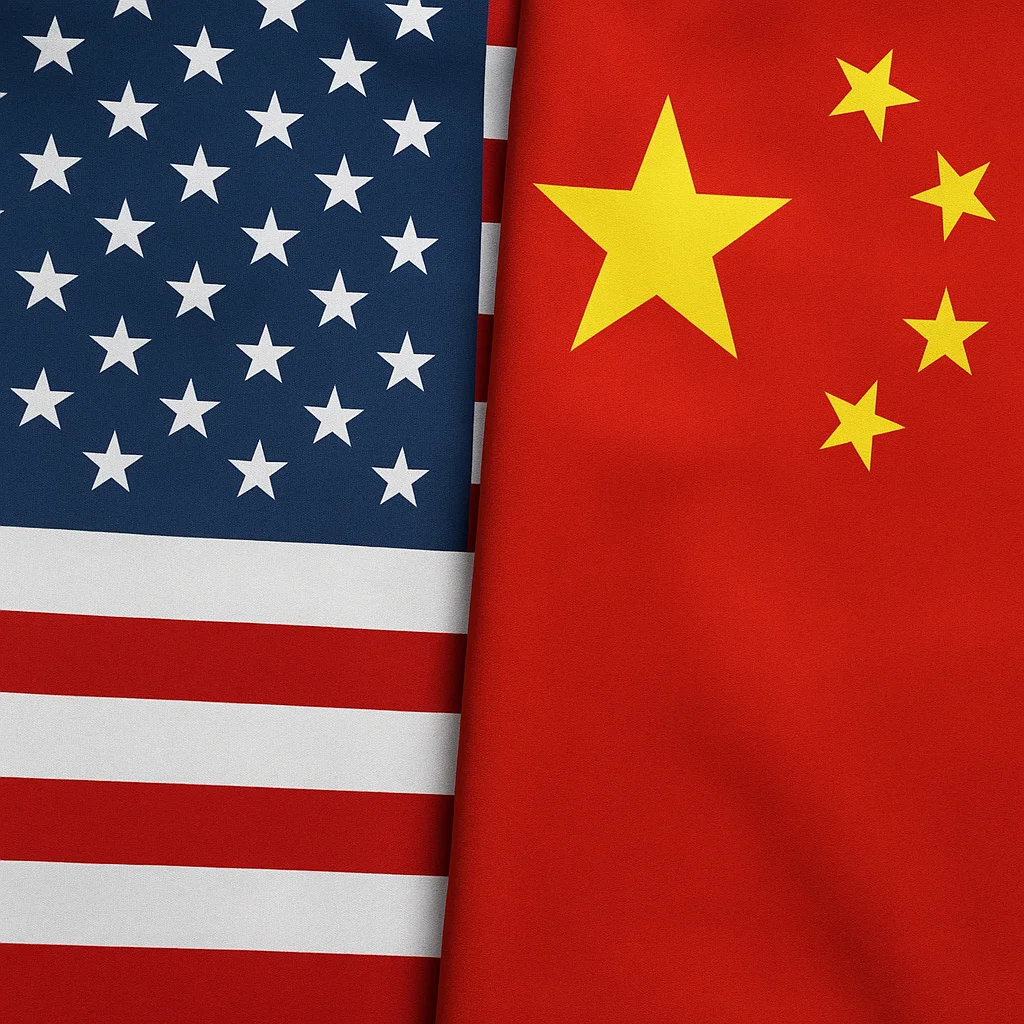
TikTok -- Politics of Consensus and Test Bed for Digital Sovereignty: News about the US-China TikTok deal burst out loudly each time, but looking at the actual content it was always incomplete. Media reported it was agreed but what the Trump administration actually put forward was at best a principle-level agreement -- there was no signing of a legally binding final contract, and the so-called TikTok deal has never officially been concluded. The core issue: TikTok algorithm is a national security question, not just a business question; China classified the TikTok algorithm as an export-restricted technology -- meaning even if ByteDance sells TikTok US, it cannot transfer the algorithm that makes TikTok engaging; a TikTok without the ByteDance algorithm would be a different and likely less compelling product; this creates a structural deadlock where the US wants a divestiture that China will not permit while the algorithm that makes TikTok worth acquiring cannot be transferred. The digital sovereignty implications: the TikTok situation is the most visible example of a broader question about whether national governments can or should control which digital platforms their citizens use; the competing principles (national security, free expression, economic openness) do not resolve easily; the outcome of the TikTok situation will set precedents for how other countries handle foreign digital platforms.
ⓒ META-X metax.kr
All rights reserved.
Free to share with attribution.
All rights reserved.
Free to share with attribution.