AI Images: From ''Curiosity'' to ''Livelihood Threat'' and ''Daily Life''
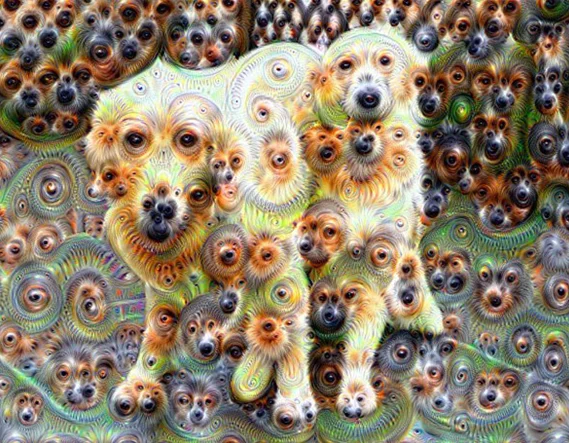
Just a few years ago, DeepDream-generated images seemed merely curious and odd. By 2025, AI images have moved from developer curiosity to deep integration in advertising, e-commerce, and media content — simultaneously becoming a realistic livelihood threat for creators. Two academic studies document this evolution: (1) 2022 study (Joo Da-young, Seok Jeong-hyun): captured public reaction as generative AI entered the art world. After Midjourney''s Colorado State Fair win, SNS-driven emotional backlash exploded — October 2022 bigdata: 33% positive, 65% negative (5x increase in negative sentiment vs September''s 86% positive/13% negative). Associated keywords: "commission," "artist," "illustration," "copyright" — showing how sensitive creators were to AI''s "style mimicry" and copyright infringement potential; (2) 2025 study (Bang Ji-yeon, Joo Da-young): 3 years later, the discourse shifted from "collision" to "creative agency" and "creative ecosystem restructuring." 2022 was AI art''s collision era; 2025 is the era of coexistence of acceptance and ethics. The discourse evolution: from "can AI beat humans?" (2022) to "who controls the creative process and who benefits from AI-generated work?" (2025). Key unresolved tensions: copyright for training data; attribution when AI uses human artists'' styles; economic displacement of professional illustrators and concept artists; what "original creative work" means in an AI-augmented production environment. The transition from shock to negotiation represents a maturation of the discourse — the question is no longer whether AI art is "real art" but how to structure the economic and legal frameworks governing its creation, attribution, and commercial use.