
Research Review · 2026-10-14
Many anticipate Generative AI will disrupt the labor market, but a new study in the restricted Russian freelance market reveals the complexity. It highlights that high AI exposure doesn't guarantee immediate job reduction; actual impact relies on technology adoption, integration, and client acceptan
류성훈
Research Review · 2026-10-07
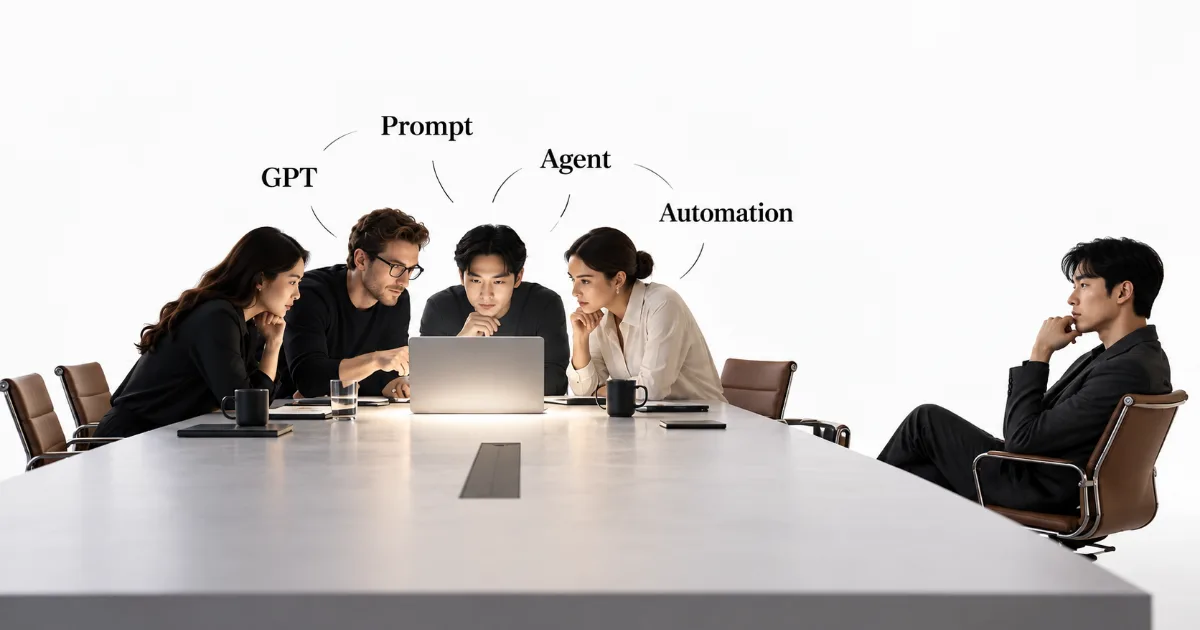
A new study argues that anxiety about generative AI isn't driven by frequent use or rapid technological change. Instead, it originates from the perceived threat to one's job, social status, and accumulated professional resources, leading to feelings of alienation.
류성훈

Research Review · 2026-10-06
This paper review delves into a 2026 study on the evolving aesthetics of NFT art, moving beyond simple images. It examines how the definition of 'artwork' expands to include systems, community, and ownership experience, challenging traditional views of digital art.
류성훈

Research Review · 2026-09-30
This paper review explores the groundbreaking field of human-free psychological theory discovery. It examines the roles of computational systems like Centaur and AUTOCOG within simulation cognitive science, highlighting their potential to autonomously generate novel psychological insights and advanc
류성훈
Research Review · 2026-09-23
In multi-agent LLM systems, hierarchical structures with managers reviewing work are common. A study questions if a manager's power to demand revisions actually improves output quality. Intriguingly, the research suggests LLMs may become less direct or 'mumble' when under managerial oversight.
류성훈
Research Review · 2026-09-17
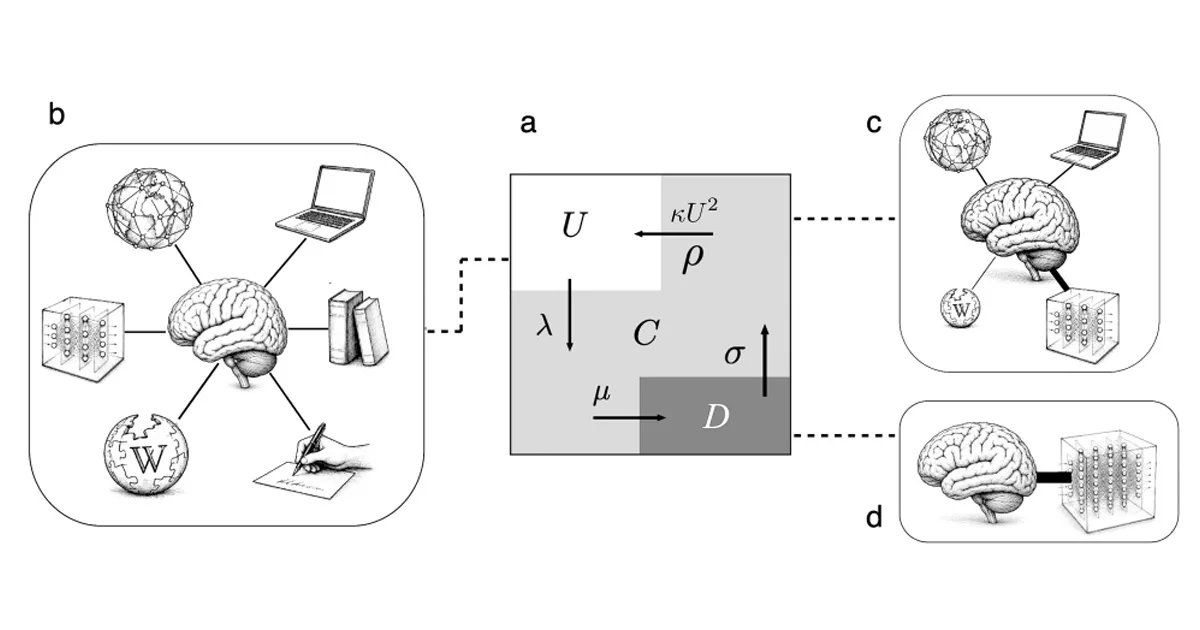
A new paper redefines LLMs as 'cognitive viruses,' not for harm, but for how their usage patterns replicate across society. This social spread creates a feedback loop that fundamentally alters human cognitive processes, mirroring the historical impact of language and writing.
류성훈

Research Review · 2026-09-16
A new study reveals LLMs concentrate reward-related information in a 'sparse reward subsystem' (under 1% of neurons). 'Value neurons' within this system predict answer correctness immediately after a question is posed, even before any tokens are generated. This suggests LLMs proactively assess probl
류성훈
Research Review · 2026-09-08
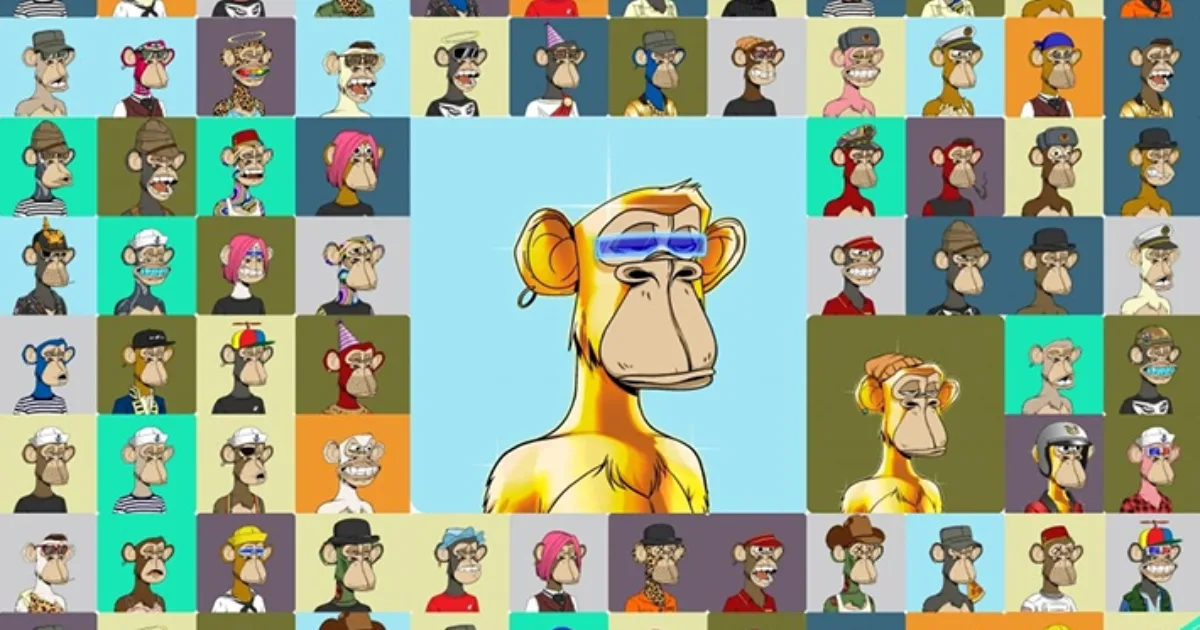
BAYC and Clone X matter less for how closely they resemble reality than for how much they still need it. This review traces how NFT PFPs move from imitation toward hyperreality through Baudrillard’s simulation theory.
류성훈

Research Review · 2026-09-07
NFTs enforce artificial scarcity. This review analyzes how anti-NFT art, echoing conceptual art, subverts blockchain's fictional ownership from within through artists like Rhea Myers and ROBNESS
류성훈

Research Review · 2026-09-02
This paper review examines the artistic value of NFT art, moving beyond the debate of innovation versus speculation. It redefines the question by applying art historical standards to NFT's medium, production, and reception, integrating digital art into a continuous narrative.
류성훈
Research Review · 2026-08-31
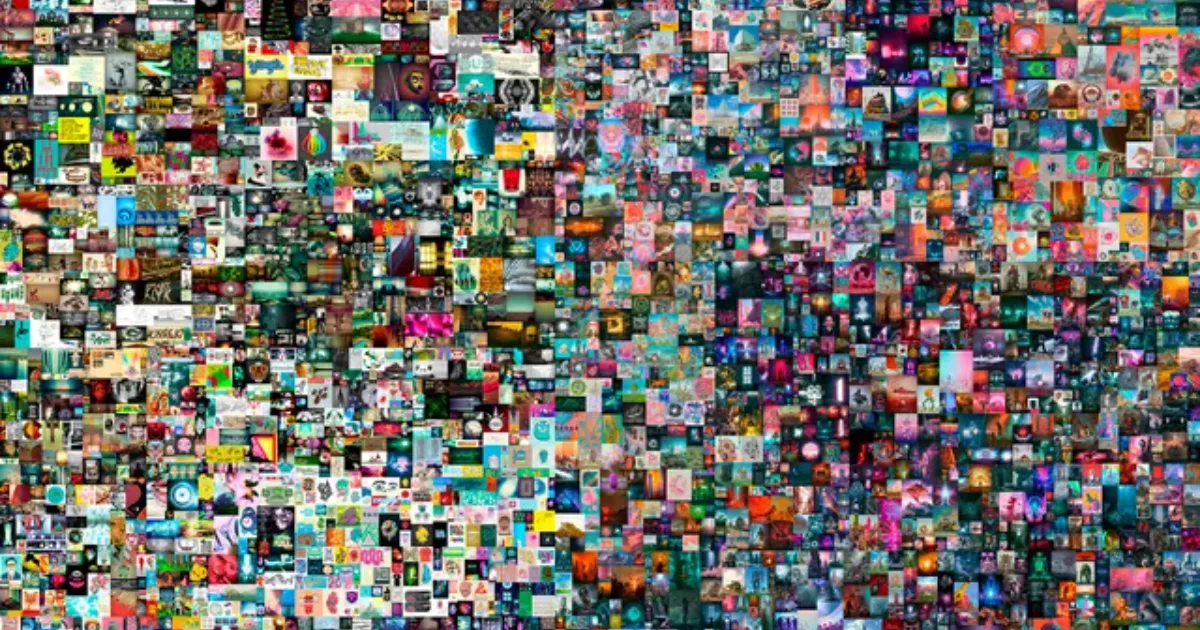
This article reviews Eunmi Lee's research comparing NFT and RWA tokenization in the art market. While NFTs tokenize digital identity and foster cultural economies, RWAs represent legal ownership of physical art. This creates two distinct value orders, not merely a generational tech shift.
류성훈

Research Review · 2026-08-21
This study does not regard AI image generation as a phenomenon disconnected from previous artistic practices. Instead, it situates AI within the continuity of the “condition-setting–mediation–selection” structure that has repeatedly appeared in photography, silkscreen printing, conceptual art.
류성훈
Research Review · 2026-08-20
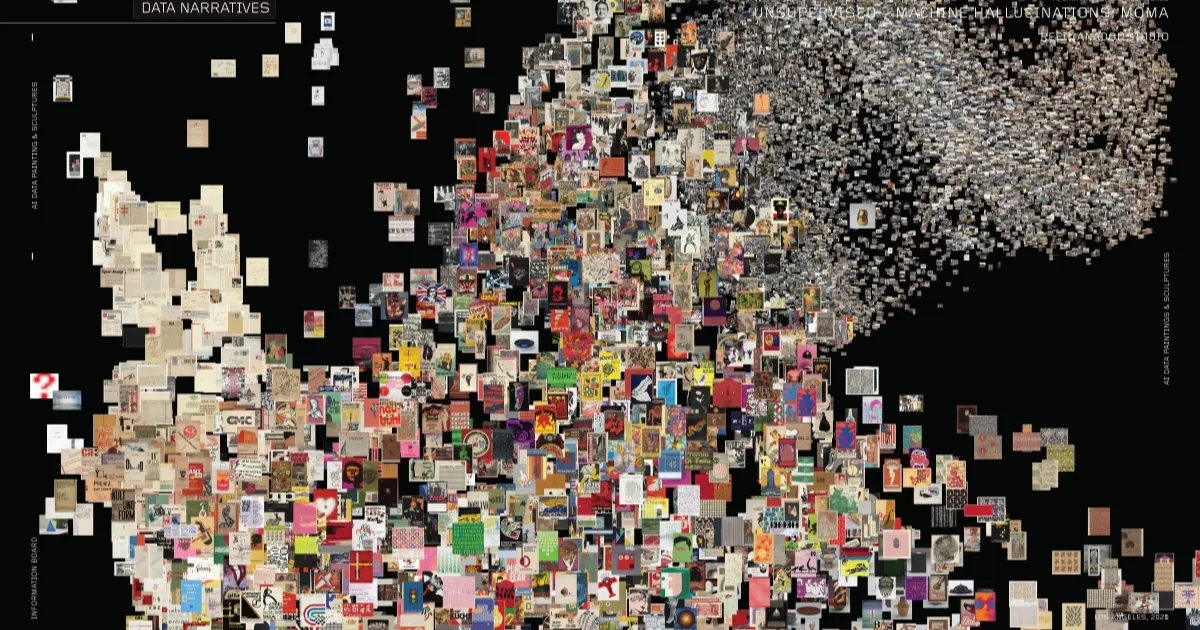
The paper argues that AI’s moral status depends less on how intelligently or humanly it behaves than on whether it can actually experience suffering and pleasure. By questioning functional and relational accounts, it shifts AI ethics from what machines can do to what they can experience.
류성훈
Research Review · 2026-08-19
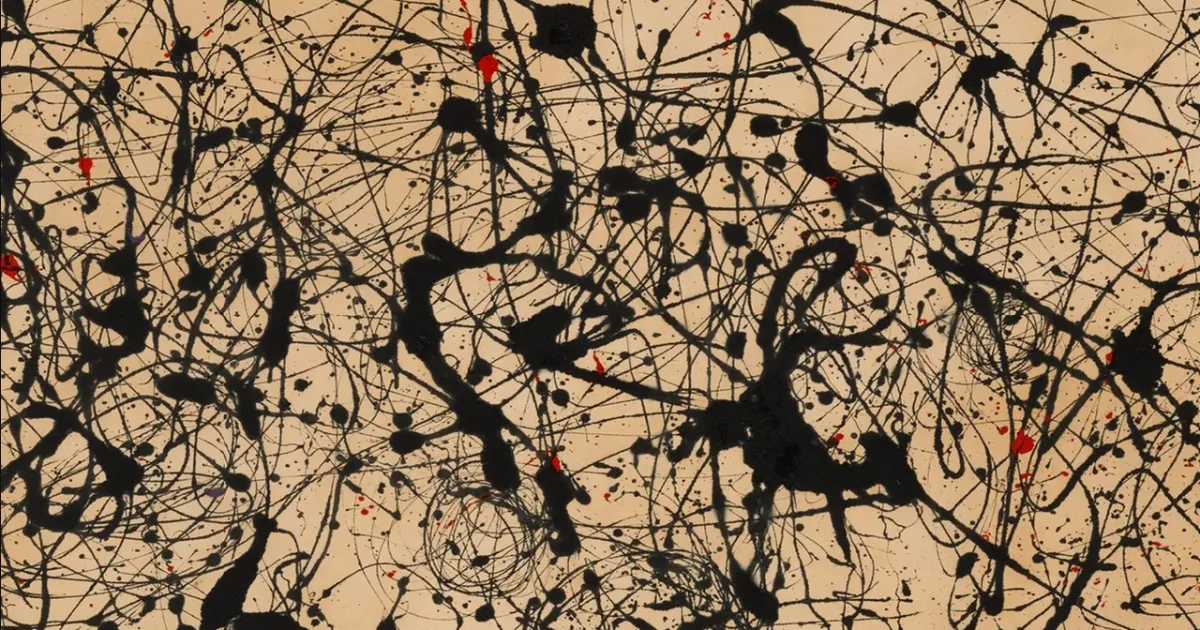
This paper reviews research that reintroduces generative AI's technical imperfections into media art, rather than removing them. It investigates how these deliberate flaws shift audience aesthetic experiences, fostering immersion, curiosity, and awe.
류성훈

Research Review · 2026-08-18
The advent of AI-generated sacred art, mimicking styles like Rembrandt's, prompts a critical question: Can these images truly be holy? This inquiry moves beyond mere visual representation, examining if AI art can mediate grace as 'visual sacraments' within Catholic faith. The focus shifts from the i
류성훈

Research Review · 2026-08-06
Kim Do-hyung links AI’s reduction of people into data, probabilities, and predictable types to Levinas’s “imperialism of the Same.” Ethics in the AI era must protect the irreducible uniqueness of the Other and preserve human responsibility beyond algorithmic judgment.
류성훈
Research Review · 2026-08-05
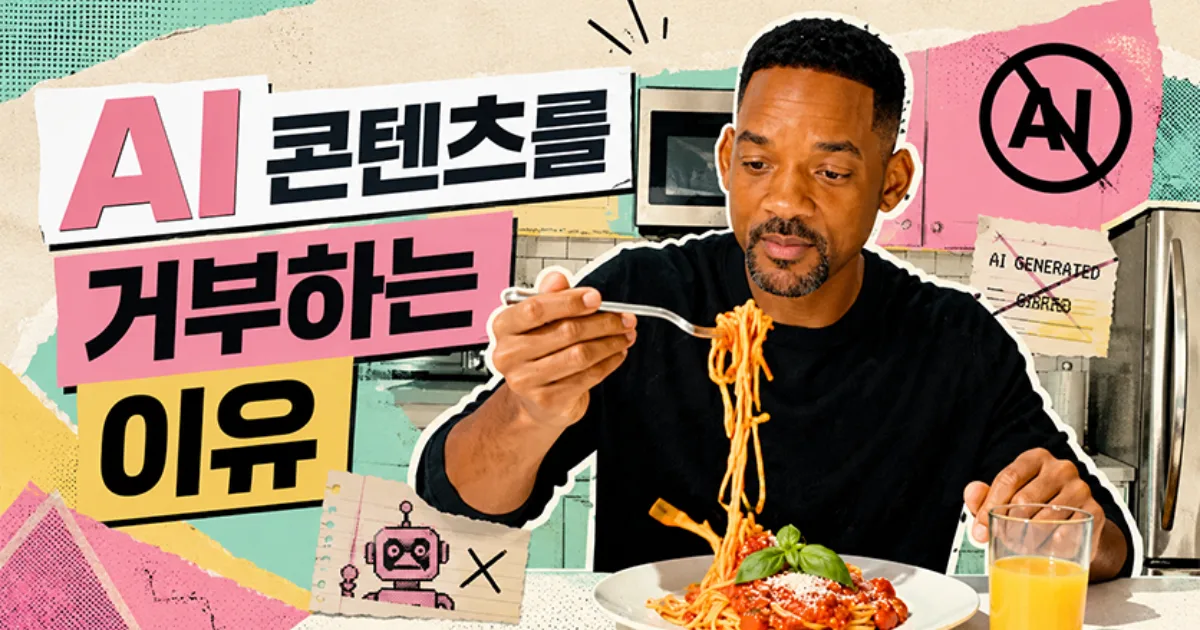
In their study, “Shifting Perceptual Thresholds in the Acceptance of Generative AI-Based Content,” Youngho Kim and Junggi Kim identify an intriguing contradiction in the recent debate surrounding generative AI content. Image and video generation technologies have advanced dramatically in just a few
류성훈
Research Review · 2026-07-30
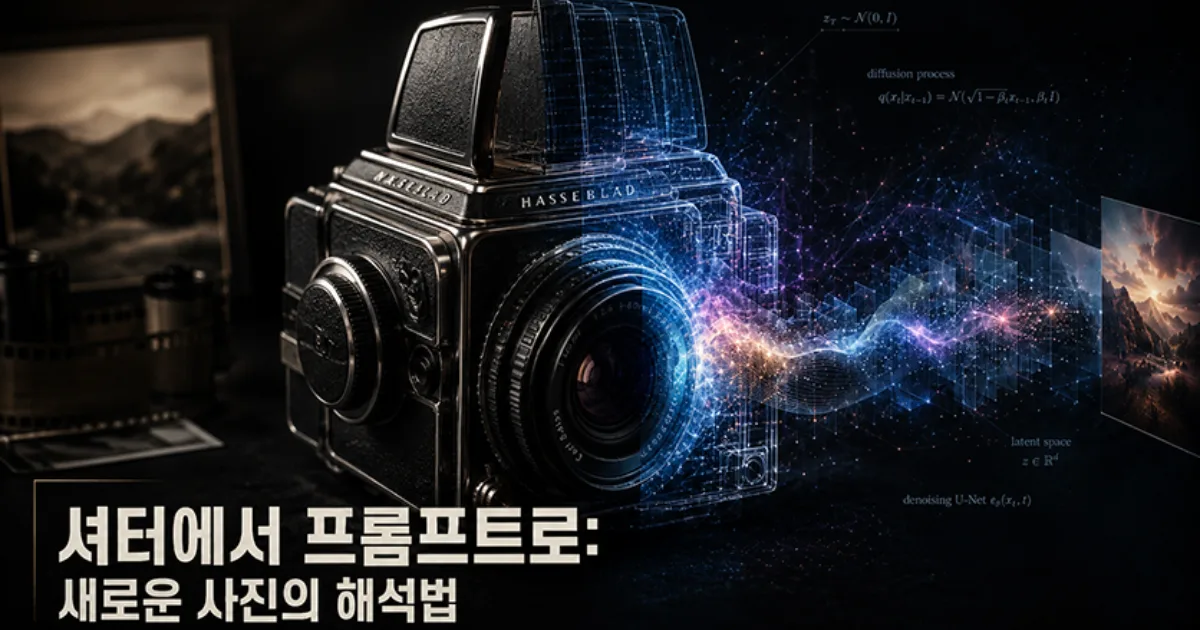
This paper moves beyond the opposition between photographic reality and AI-generated fiction, viewing both as media that select, organize, and construct reality. While photographic mise-en-scène arranges the visible scene, AI’s “algorithmic mise-en-scène” operates through data, models, prompts.
류성훈
Research Review · 2026-07-29
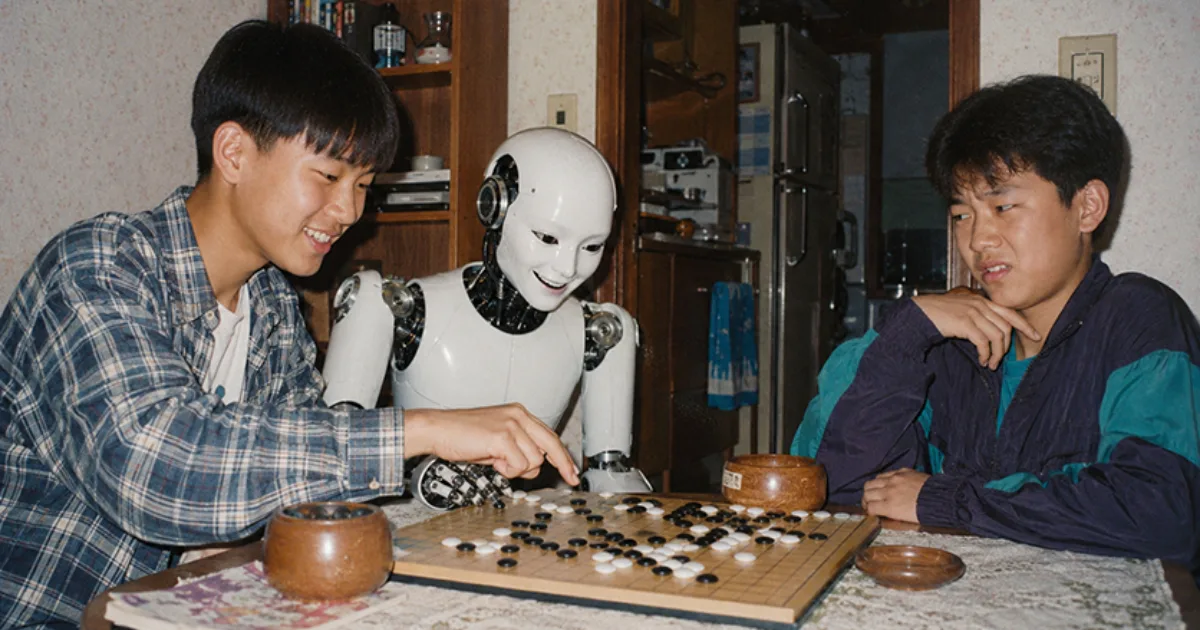
AI in games manifests in diverse forms, from NPC dialogue to difficulty scaling and generative content. Players exhibit varied responses to these functions, welcoming some while rejecting others. This nuanced perception of game AI is the focus of Ting-Chen Hsu's research, which explores the underlyi
류성훈

Research Review · 2026-07-28
Traditionally, player interaction with in-game characters has been limited to pre-selected dialogue options. Generative AI is now revolutionizing this, allowing players to engage in direct, free-form conversations with NPCs. This shift aims to make NPCs feel more like genuine characters.
류성훈