![[Paper Review] AI Anxiety](https://metax-images-bucket.s3.ap-southeast-2.amazonaws.com/articles/ai-anxiety-1065594254606630/img-1.webp)
Exploration of User Individual Characteristics and Interaction Factors as Antecedents of AI Anxiety, Kim Ji-won, 2023
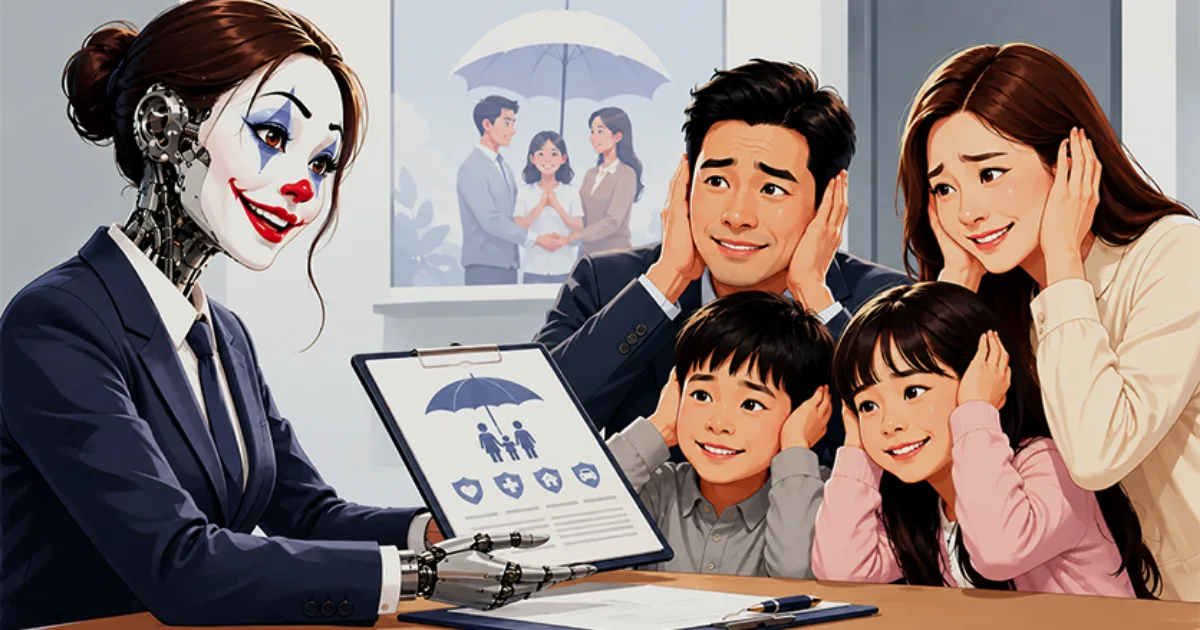
Modern society simultaneously encourages active AI use while raising concerns about job displacement and existential threats — but academic research on AI Anxiety has remained in early stages until recently. The inflection point: ChatGPT 3.5''s public release on November 30, 2022, after which AI anxiety became a concrete, widespread phenomenon as capabilities advanced from awkward outputs to indistinguishable-from-human quality within 1-2 years. Kim Ji-won (2023) study: explores AI anxiety antecedents through two axes — user individual characteristics (technology anxiety predisposition, need for cognition, innovativeness) and interaction factors (frequency of AI use, perceived usefulness, trust). Key finding: perceived AI agency (believing AI makes autonomous decisions) significantly increases anxiety independent of actual AI capability; interaction experience paradoxically reduces anxiety for high-innovativeness individuals but increases it for low-innovativeness individuals — suggesting AI exposure without positive framing can reinforce fears. Moon Su-ji (2024) study: examines how AI self-efficacy, AI anxiety, and AI trust simultaneously influence attitude and adoption intention toward generative AI. Key finding: AI self-efficacy (belief in one''s ability to use AI effectively) is the strongest positive predictor of adoption intention; AI anxiety mediates the relationship between self-efficacy and adoption — high self-efficacy reduces anxiety which then increases adoption; trust has direct positive effect on attitude but weaker effect on actual adoption intention (suggesting trust alone is insufficient without self-efficacy). Policy implication: AI literacy education focused on building self-efficacy (through successful AI interactions) may be more effective at reducing AI anxiety than reassurance-based communication strategies.