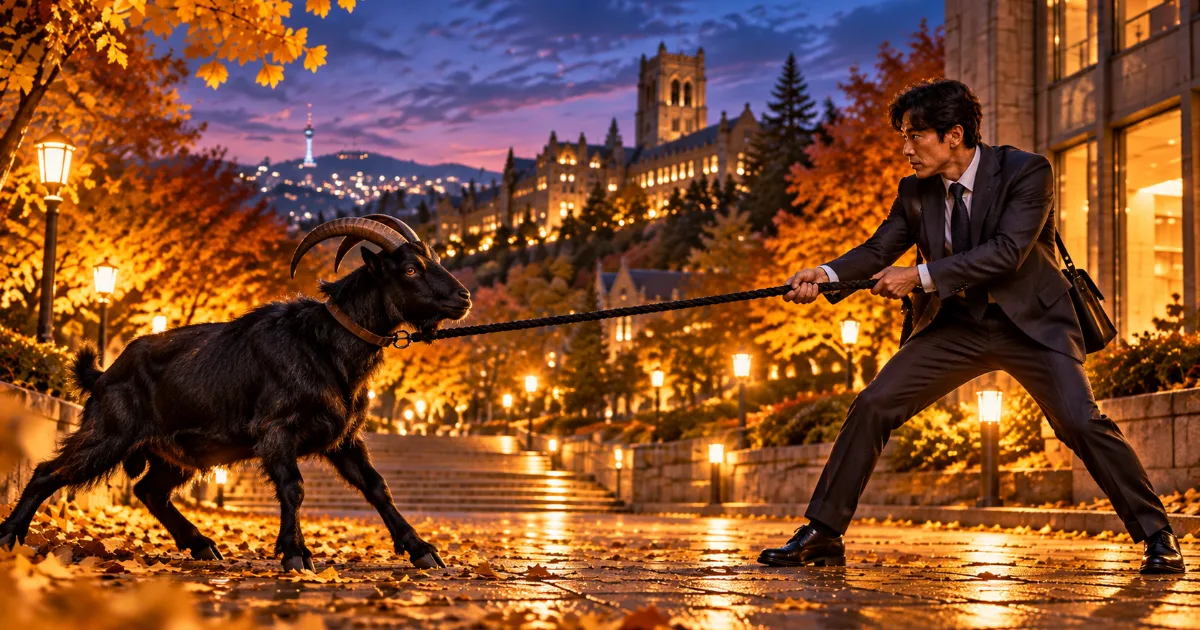
The second morning in Yonago began.
After finishing my morning bath in the hot spring and coming downstairs, I thought to myself.
Let’s not hurry today.
I did not make a plan to visit any particular place. I did not feel the need to see a few more famous tourist spots. I simply decided to ride around the neighborhood with my son on electric bicycles.
Perhaps that was the first “plan without a plan” I had made on this trip.
We rented two electric bicycles from the hotel lobby. They were free for two hours. After that, an additional 200 yen was charged for every extra hour.
As I pressed down on the pedals, I felt as if a small motor were gently pushing me from behind. The bicycle moved forward without requiring much effort.
It was more fun than I expected.
But it was not as fast as a motorcycle. It was neither too fast nor too slow. It was fast enough to feel the wind, and slow enough to look around.
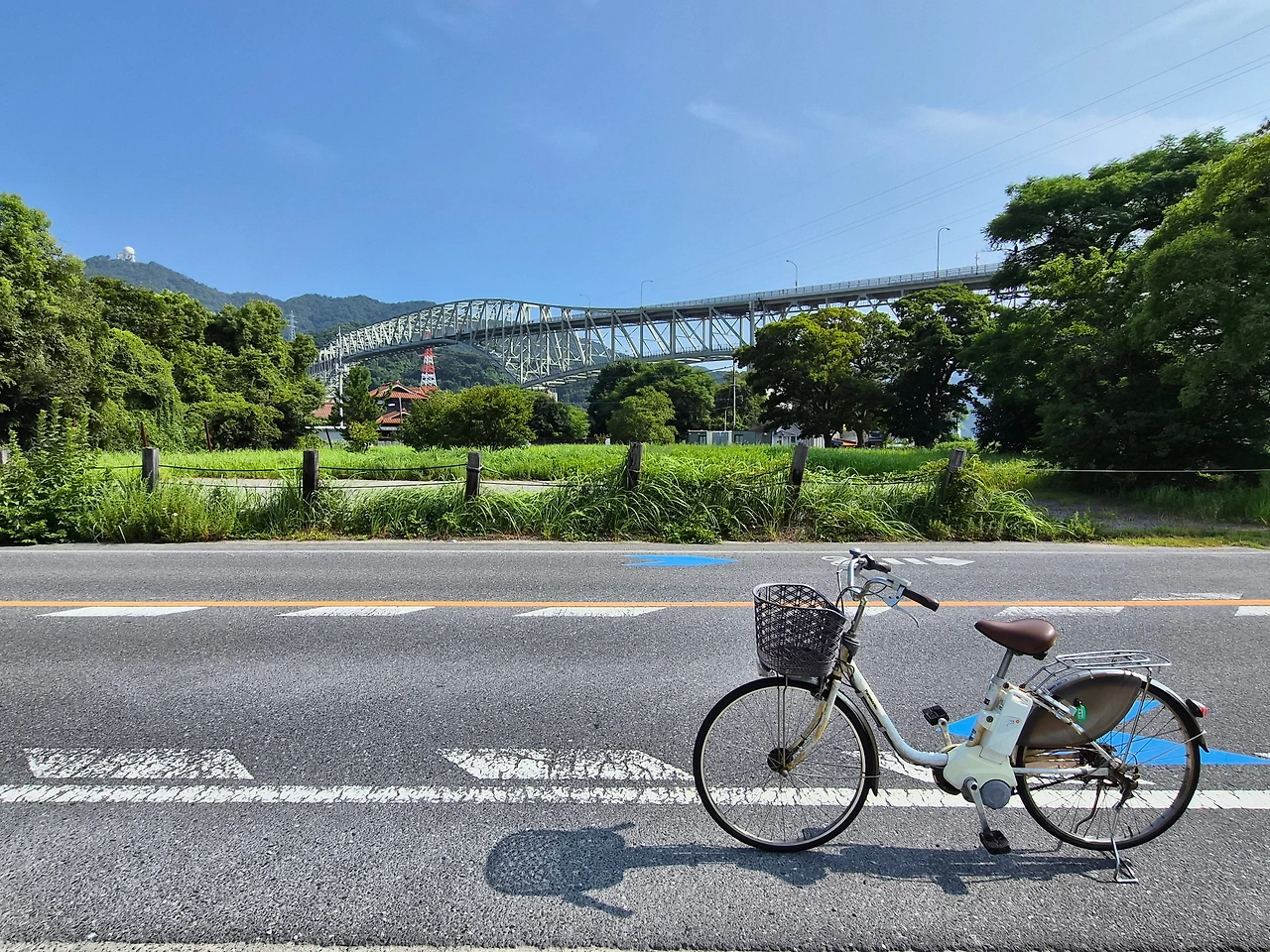
Suddenly, I remembered what I had thought the previous day in the open-air bath.
So I do not always have to run at full power.
With just a little effort, I could still move forward. Perhaps there are moments in life when this kind of speed is exactly what we need.
There were quite a few shops open around the hotel. But once we rode a few blocks away, the atmosphere changed quickly. There were noticeably fewer people. To exaggerate a little, it felt as if my son and I had rented the entire city for ourselves.
When we reached a larger road, there were quite a few cars. Riding bicycles side by side with my son on unfamiliar Japanese roads, mixed in with traffic, made me uneasy.
“Son, let’s take the alleys.”
“Okay.”
We left the main road and turned into a smaller street.
It was the right choice.
What appeared before us was not a road made for tourists. It was a neighborhood where people actually lived.
Small houses.
Old shops.
Closed storefronts.
Signs marked by time.
And quiet alleys with no one in sight.
Until the day before, even while traveling, I had kept thinking about what came next.
The next place.
The next train.
The next restaurant.
The next schedule.
But today was different.
As I moved a little more slowly, things I had passed by before began to come into view.
My son and I went into a 7-Eleven.
Two bottles of cola.
Popcorn.
Chocolate.
The jelly my son liked.
I did not think we had picked up that many things, but when we paid, the total easily went over 10,000 won in Korean money.
Were Japanese convenience stores always this expensive?
In Korea, when I buy cola, I usually look first for a buy-one-get-one-free deal. Because of that, I had lived without thinking much about the regular price. But Japanese convenience stores do not have those 1+1 promotions. Perhaps paying in yen had made me a little numb to the price. And more than anything, being on a trip means I had already decided to spend money, so maybe I was paying more easily than usual.
As we kept riding around the neighborhood near the hotel, we found a supermarket.
We went in out of curiosity.
And not long after, I remembered the cola we had just bought at the convenience store.
A similar product was almost half the price.
“Son, I think we shouldn’t have gone to the convenience store earlier.”
My son laughed.
I laughed too.
When you travel, you learn one small thing at a time from moments like this.
In Sakaiminato, look for the supermarket before going to the convenience store.
But once we went deeper inside, the price of cola quickly disappeared from my mind.
The seafood section was quite impressive. There was tuna sashimi, sushi, and eel. In the boxed meal section, there were gyudon and chicken skewers. There were many kinds of fried food too.
I felt that Sakaiminato was a port city more vividly in this supermarket than I did at any famous tourist site.
When we travel, we usually search first for famous local restaurants. But if we really want to know what people in a place eat in their daily lives, perhaps a market or supermarket tells us more quickly.
I picked three cans of beer.
Asahi.
Sapporo.
Kirin.
One of each.
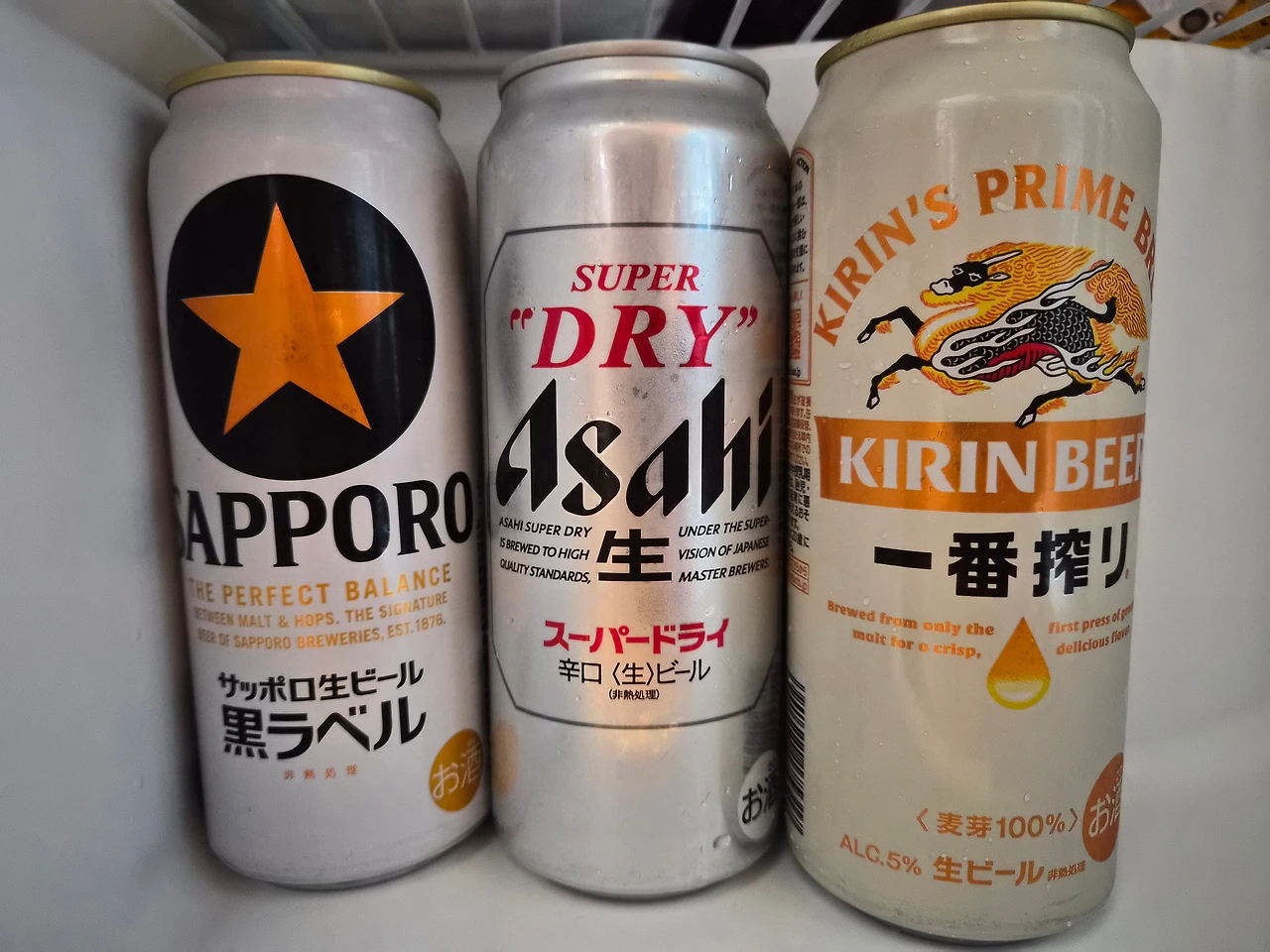
I planned to drink them one by one in the room after the hot spring.
My son chose apple konjac jelly. He also bought a souvenir T-shirt with yokai on it and a pen. Without expecting it, the day became a small shopping day for us.
Still, in Sakaiminato, there was no need to worry about “owning too much.”
No matter how much we wanted to buy, there simply were not that many things to buy.
Even that felt like this city.
As we rode around the neighborhood on our bicycles, I realized something interesting.
There were truly many yokai here.
They were at the station, on the streets, and in the shops. They were on souvenirs, and they were painted on JR trains.
At first, I thought they were just local tourist characters. But the more I saw them, the more curious I became.
Why does this city have so many yokai?
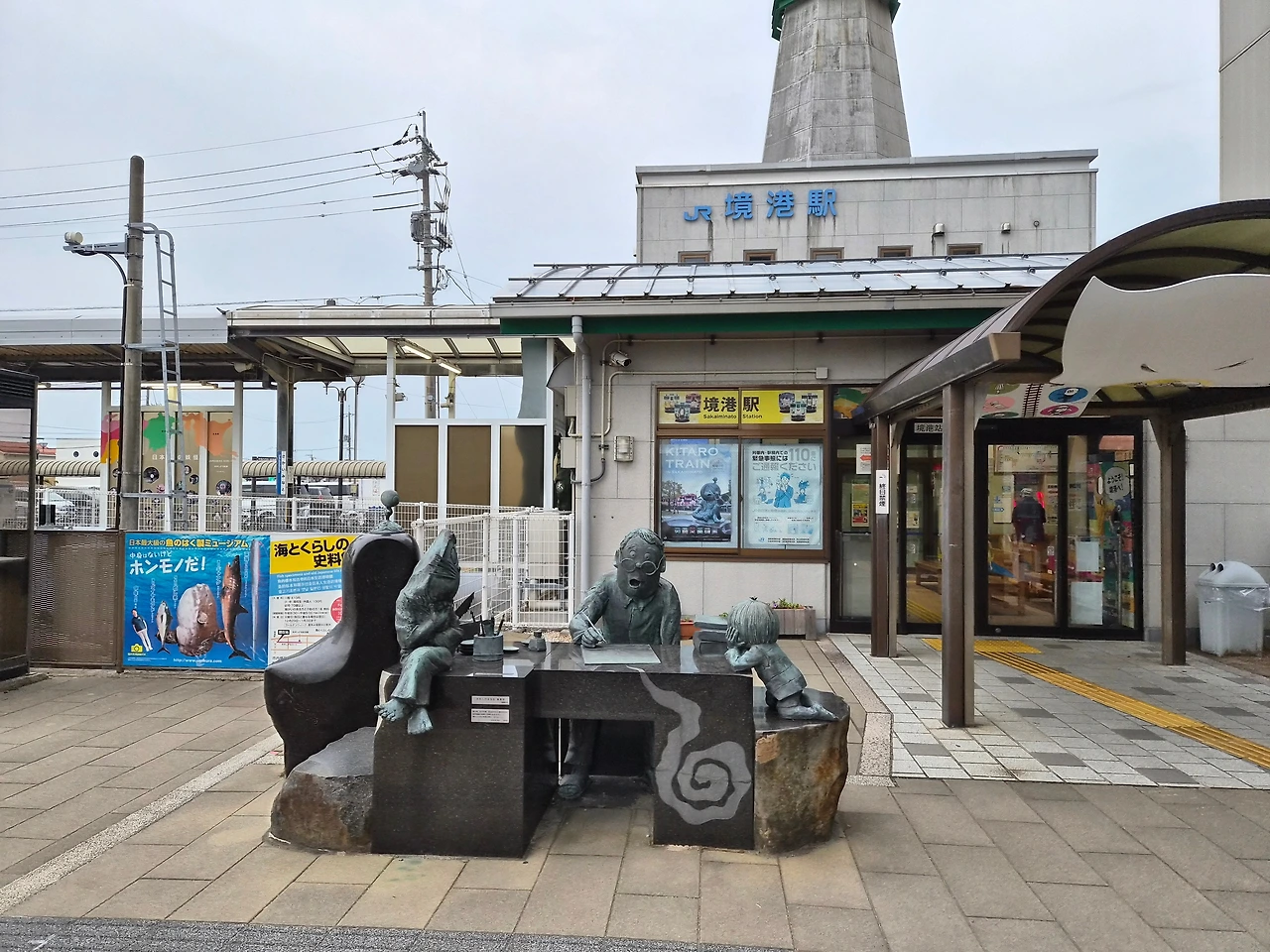
When I looked it up, I found that Sakaiminato had not always been a “city of yokai.” It was originally a city that grew around its port and railway. Then the stories of manga artist Shigeru Mizuki, who spent part of his childhood here, became the city’s new identity.
The yokai from his representative work, GeGeGe no Kitaro, began appearing on the streets in the 1990s. Yokai sculptures were placed one by one along the existing shopping street that runs from Sakaiminato Station into the city. That became today’s Mizuki Shigeru Road.
What interested me was that the city had not built a giant new theme park.
It had placed a story over an existing town.
It connected the world of a local manga artist to its shopping street, railway, airport, and souvenirs, one piece at a time.
Yokai appeared along the streets. Kitaro and the yokai were painted on trains running along the Sakai Line. Even the airport name came to include Kitaro.
Stamp boxes were placed throughout the streets. Tourists walked around looking for yokai and collected stamps one by one. At one time, several million people a year reportedly visited this small port city.
After learning that, the scenery I was looking at began to feel different.
How many people must have walked this road at its peak?
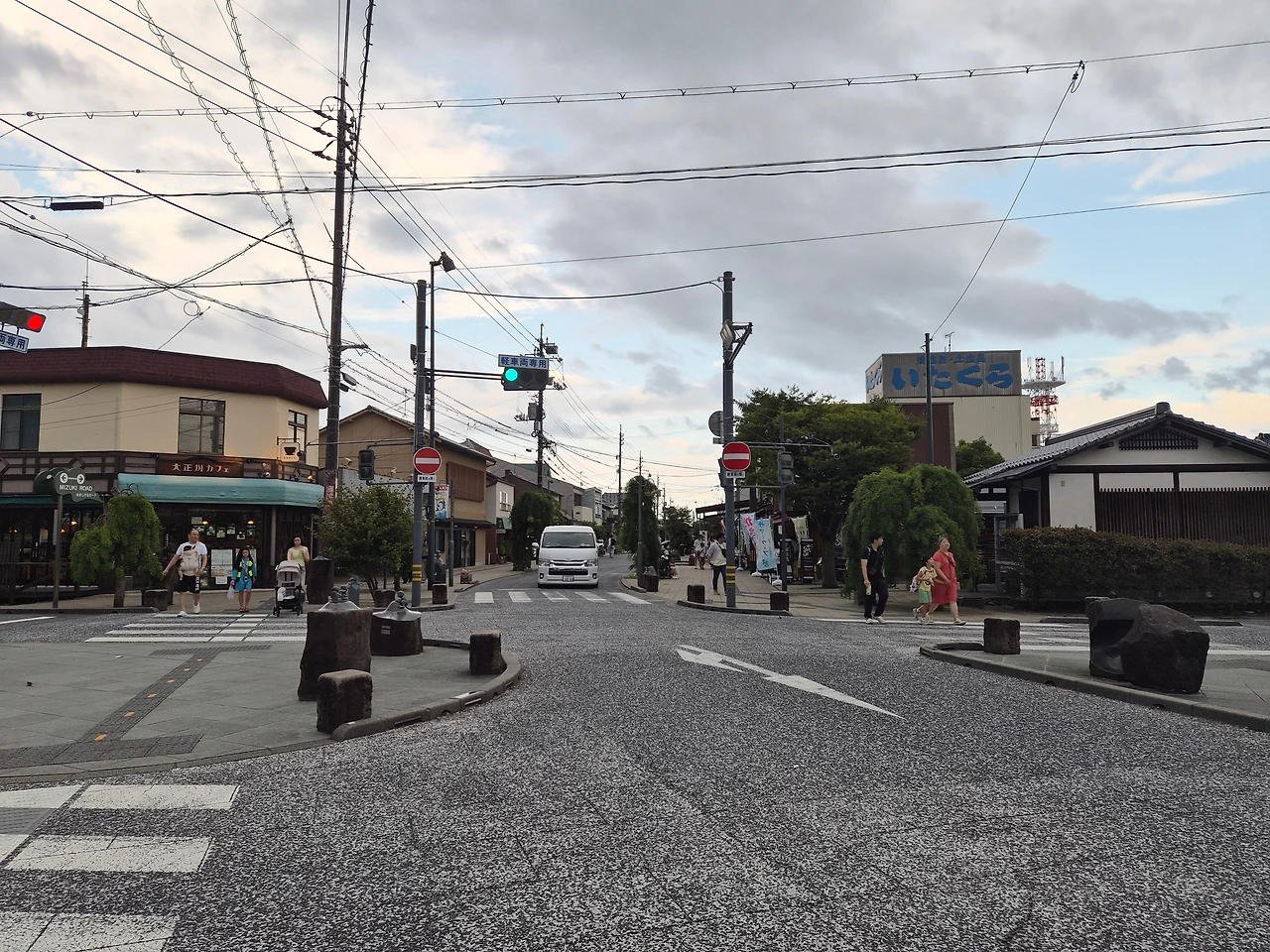
The street before me was quiet. Empty space stood out more than people.
As I rode through an alley, I saw a stamp box. A person who seemed to be a shop owner was cleaning it. They wiped it with great care, almost as if handling an old and precious object.
Of course, I cannot know what that person was feeling. I was only a passing traveler, imagining things as I pleased.
Still, for some reason, I found myself looking at that scene for a long time.
Maybe they are waiting for many people to come back again.
That thought suddenly came to me.
And of all places, this was a town where yokai lived. In Japanese animation, a wish someone has held onto for a long time sometimes becomes real one day, almost like a miracle. Perhaps at night, Kitaro and Medama-Oyaji secretly come out to protect that stamp box.
I imagined that by myself.
Still, I do not want to call Sakaiminato a tourist site whose time has ended.
Every boom has its rise and fall. There is a time when crowds arrive, a time when things grow quiet, and a time when people return again.
I believe cities are alive, just like people. There are times when they rise, times when they sink, and times when they wait for another story.
As I thought about that, for some reason, I remembered a few faces I had seen at work.
They were people who had held high positions until only a few years earlier.
When they entered a meeting room, people became tense. A single word from them could change the direction of a meeting. They always wore neat suits and walked with their backs straight.
But when I happened to see some of them again around the office after time had passed, they looked a little different. Their hair had grown white. Wrinkles had deepened on their faces. Instead of sharp, well-pressed suits, they wore comfortable T-shirts and walked slowly with backs slightly bent.
Whenever I saw them like that, I felt a strange emotion.
Should I call it pity?
Should I call it impermanence?
Or should I simply say that time had passed?
Even people who once seemed so enormous were, in the end, just one person inside time.
Cities have their prime.
Companies have their prime.
People have their prime.
Even moments that seem as if they will last forever eventually pass.
I am no exception.
My shoulders are not what they used to be. If I walk for a long time, my knees begin to feel it. Perhaps that is why the electric bicycle felt so welcome. Distances and slopes I once would have dismissed as nothing now gradually register in my body.
Still, I like suits.
I like wearing a jacket that fits well, choosing a shirt, and putting on dress shoes. There is a part of me that wants to hold onto the version of myself in the mirror that still looks a little stylish.
Maybe I am not yet ready to admit that I am getting older.
But as I watched my son riding beside me, a different thought came to mind.
While I am slowly getting older, my son is slowly moving forward toward his own life. For now, I still go ahead and check the road. But before long, the day will come when he rides faster than I do.
He will know more things than I know.
He will go to places I have never been.
When that day comes, what should I do?
Perhaps it will be more important to applaud him for riding well than to struggle to catch up.
Maybe aging as a parent means watching the lights slowly dim on your own stage while the lights begin to turn on over your child’s.
I am not yet sure whether that is sad.
It feels a little bittersweet.
But at the same time, it makes me curious.
What kind of person will my son become?
In a world I do not know, what work will he do? What will he like? What will disappoint him? In what moments will he laugh most brightly?
I will not be able to know everything.
Maybe I do not need to.
I only hope that, if he is riding well, I can be someone beside him who claps for him.
I was thinking about these things, and the day seemed to be flowing peacefully.
Then, in the afternoon, a small incident happened.
Even though I was on vacation, messages kept coming in on my phone.
It was not company work. It was something I had begun helping with in good faith. At first, I started lightly, without feeling burdened. But the work became larger than I expected, and the other person’s requests kept increasing.
Messages continued to appear on my phone screen.
I answered them one by one.
If I did not answer, I felt as if I would become an irresponsible person. I also thought the other person might be waiting. So I kept replying. To me, that was responsibility. Even during a trip, I thought I had to take responsibility for something I had started.
But to my son, it must have looked completely different.
On our way to the curry restaurant, his expression gradually darkened.
Even when I spoke to him, his answers were short.
“What’s wrong?”
“Nothing.”
He said nothing was wrong, but clearly something was.
At first, I did not like his attitude. I also began to feel upset.
We entered the restaurant and sat down. The food had not come out yet. I spoke to him.
“Son.”
“Yeah.”
“If something is bothering you, I wish you would tell me instead of expressing it like that. I don’t know why you’re acting that way.”
A short silence passed.
My son did not answer right away.
Then he said quietly,
“It felt like the feeling that I was traveling fully with Dad was broken.”
For a moment, I could not say anything.
It was an answer I had not expected.
I had been walking the same road with him. We had ridden the same bicycles, seen the same scenery, and were now sitting across from each other in the same restaurant.
But my son had not felt that I was with him.
Only then did I look down at my phone.
My body had been beside him, but part of my heart had remained inside that small screen.
I had thought that being in the same place meant being together.
My son did not.
When I thought about it, for the month before this trip, my son had barely seen his father. When he woke up in the morning, I was already at work. When it was time for him to sleep, I was often still on the subway heading home.
That was why he had brought up the promise from two and a half years ago.
“Dad, we said we would go to the open-air bath together.”
Maybe what my son had wanted was not the hot-spring trip itself.
The onsen, ramen, yokai and model kits were all nice. But perhaps what he wanted even more was to have his father, who had been taken away by work for the past month, returned to him completely for a few days.
I put my phone down.
And I said,
“I’m sorry.”
My son looked at me.
“Even after coming on this trip, Dad kept doing this.”
That day, I learned something for the first time.
Taking my son on a trip and traveling with my son are two completely different things.
The curry arrived.
I had ordered curry with tenderly cooked chicken, added karaage, and ordered a glass of draft beer.
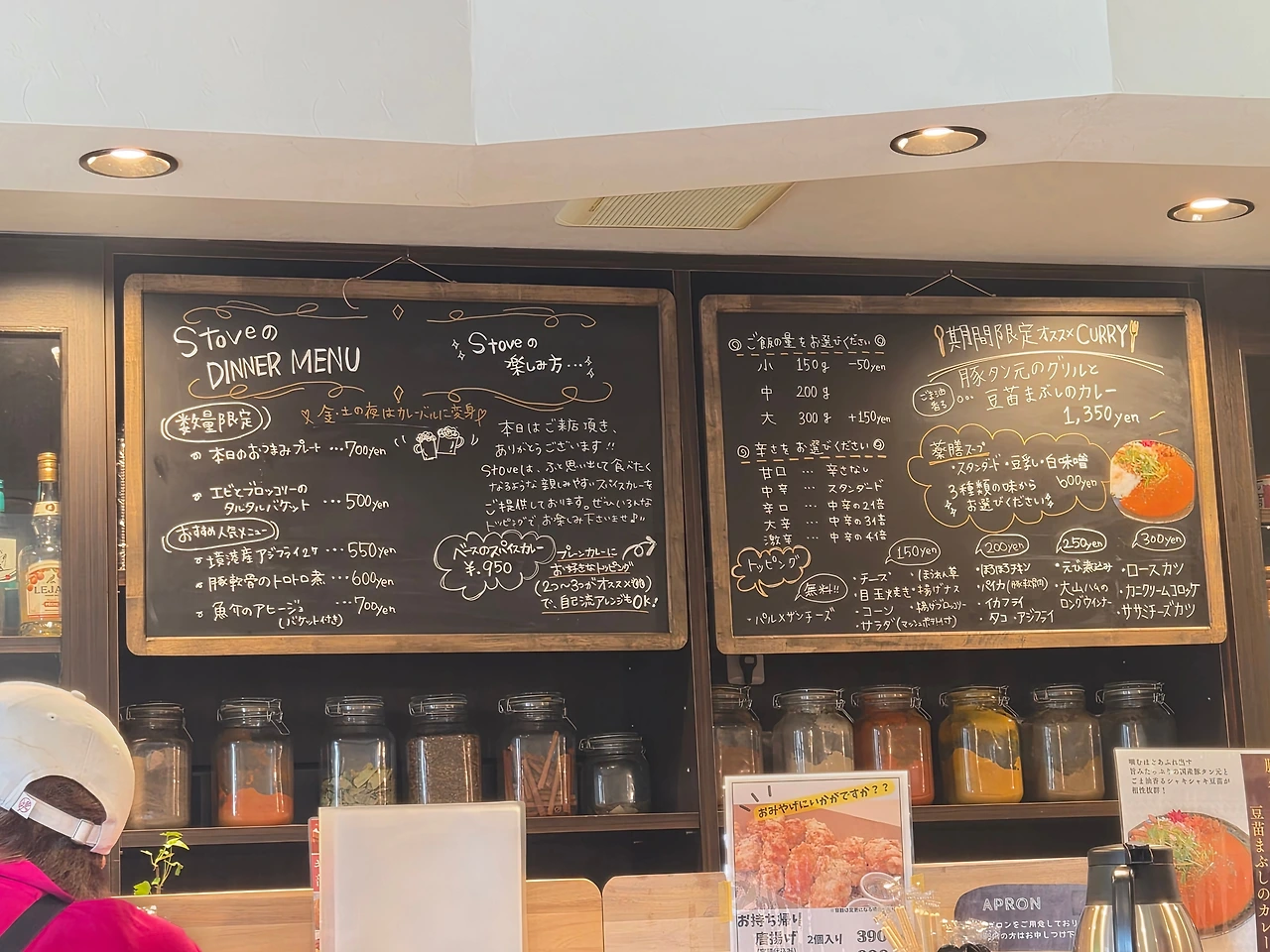
To be honest, we were not even that hungry because we had eaten various things from the supermarket earlier.
Still, we ate the curry.
We did not continue the conversation from earlier. My son did not talk much either. But strangely, I felt more comfortable than before.
Because at least we knew why we had hurt each other.
Perhaps the most frustrating thing between two people is not arguing. It is not knowing why you are arguing.
At least we had come to know that much.
After returning to the hotel, I placed my phone a little farther away.
The two of us watched a movie.
We did not talk about anything in particular.
We were simply together.
And that was enough.
In the evening, we went back to the supermarket. This time, we did not go to the convenience store. We had already learned our lesson.
Karaage.
A discounted fried-food set.
A sushi set.
A salad for the next morning.
A sandwich.
A teriyaki hamburger.
A cheeseburger.
Apple juice.
And the beef bowl my son said he wanted to eat.
Back in the room, we spread out the food. I placed the fried-food set, sushi, and karaage in front of me and took out the can of Sapporo beer I had bought earlier that day.
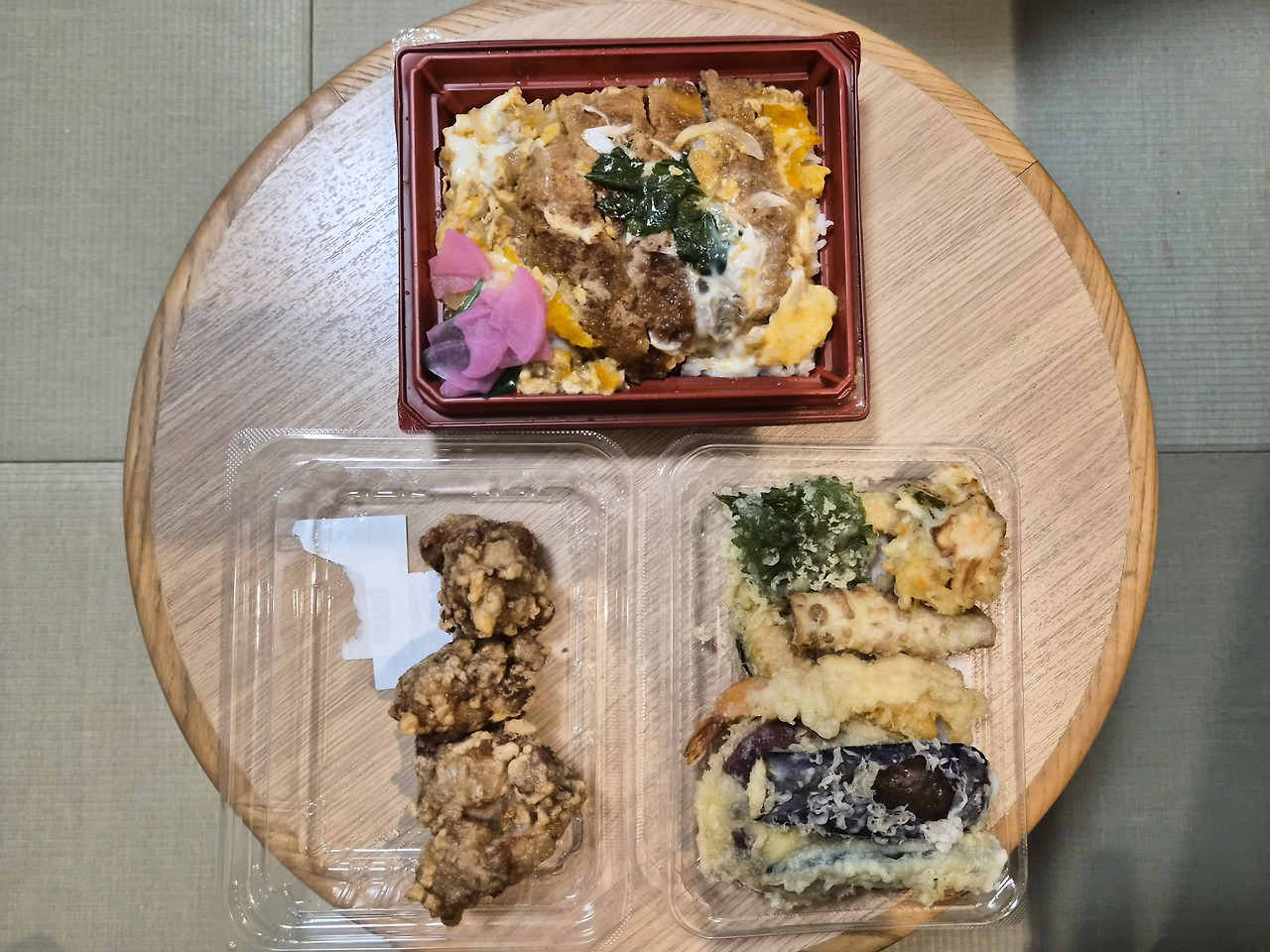
I hooked my finger under the tab and pulled.
Tss.
I liked the sound of the can opening.
It was not a fancy restaurant.
It was not a course meal we had reserved in advance.
It was just dinner in our room, eating food we had bought from a supermarket with my son.
But it felt comfortable.
In fact, this felt more like a vacation.
Eating as we wanted, lying down as we wanted, and having time in which we did not need to do anything.
I was full.
I lay down on the bed.
And I fell asleep again.
Since arriving here, I had been sleeping very well.
When I opened my eyes, it was 9:30 p.m.
My son and I went down to the first floor again. Just like the night before, we were going to eat yonaki soba.
By now, the hotel’s layout felt familiar. I knew where to go down, where to stand in line, and where the ice was.
On the first day, everything had felt unfamiliar. But after just one day, the place had begun to feel a little like a living space.
People are strange that way.
Even a strange place can begin to feel like one’s own after walking through it a few times.
After eating ramen, we went back up to the sauna.
I lowered myself into the hot water.
The day slowly settled.
In the morning, I had thought about the speed of life. During the day, I had ridden through alleys with my son. We had explored a supermarket and thought about the time of a city where yokai lived.
I remembered the aging faces of people who had once held high positions. I watched my son, who was slowly growing beside me. In the afternoon, I apologized to him. In the evening, we spread supermarket food across the room and I drank a can of beer.
It was not a day when we saw a famous tourist attraction.
But strangely, it was a day when I saw many things.
I saw the city.
I saw time.
I saw myself getting older.
I saw my son growing up.
And perhaps, just a little, I saw how I wanted to live from now on.
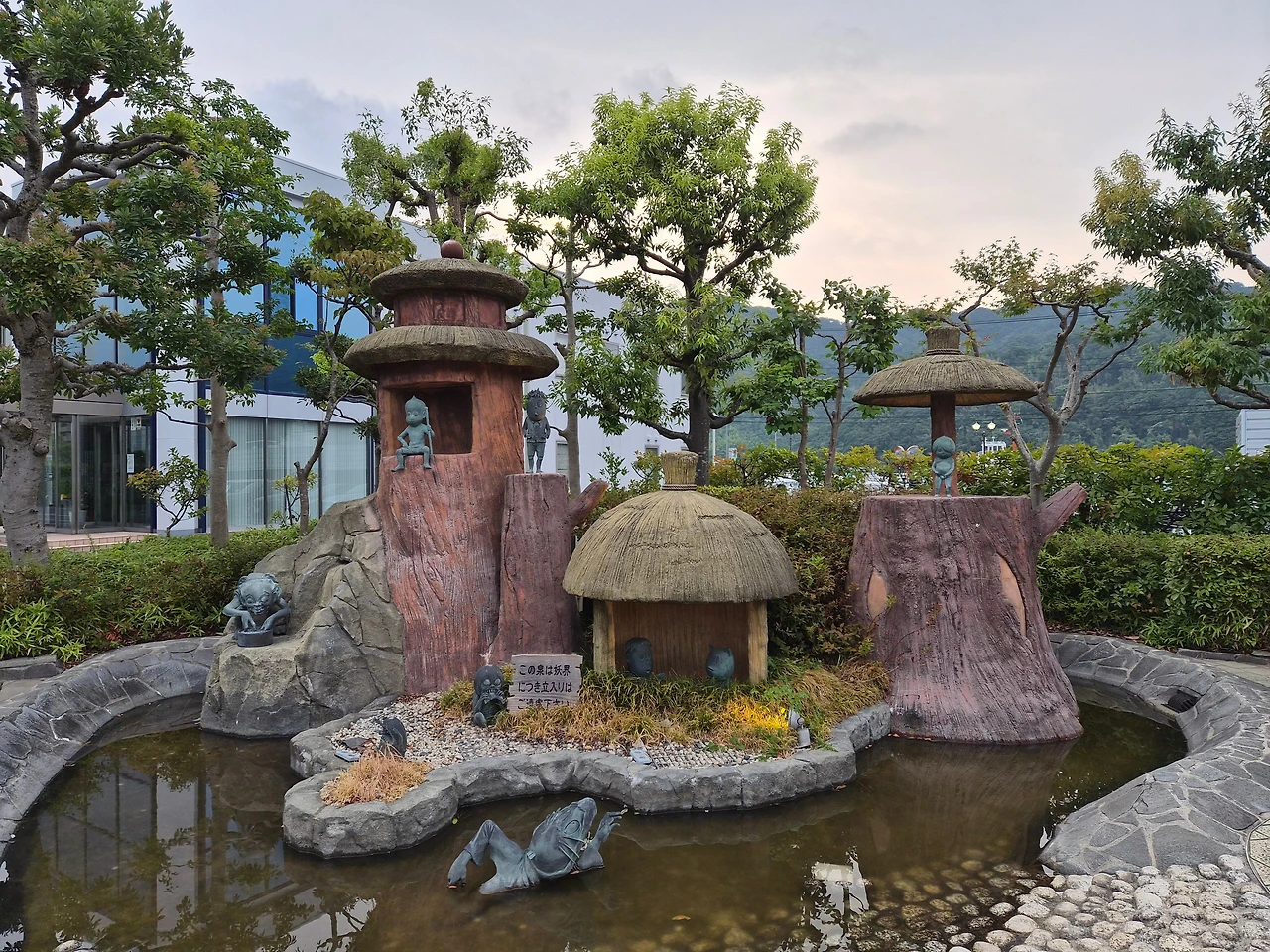
The area around Sakaiminato Station had become fairly familiar by then. I knew which alley led to the supermarket. I knew where the convenience store was. The yokai standing throughout the streets had also begun to feel familiar.
A city that had felt strange at first had become somewhat comfortable after only a few days.
So the next day, we decided to go a little farther.
We would leave Sakaiminato and visit downtown Yonago.
Perhaps there would be nothing special there. It might not be very different from any other regional Japanese city.
Still, I was curious.
I felt there would be scenery there that we had not yet seen.
Travel is strange.
At first, we move in order to see famous things. We search for well-known tourist sites, find highly rated restaurants, and follow places other people photographed.
But after a few days, we begin to wonder about things that are not famous. We want to see not tourist attractions, but places where people actually live.
And perhaps I, too, was changing little by little in that direction.
Before, I looked for the faster route.
I tried to see more things.
I thought a good trip meant filling the day’s schedule without gaps.
Now, I felt differently.
It felt better to see a little less, move a little more slowly, and leave time to talk with my son.
Like the speed I felt on the electric bicycle that day.
Not too fast.
Not too slow.
A speed at which I could feel the wind, look to the side, and see whether the person riding with me was keeping up.
Perhaps that is the speed at which I want to live from now on.
I had spent my life learning how to go faster.
But now I may have reached the age when I need to learn how to move while looking beside me.
When I slowed down, I saw the city.
I saw the street that had once been crowded with people, and the hands of someone still protecting that time.
When I slowed down, I saw myself.
I saw my body and heart, still wanting to remain young, yet slowly growing older.
And when I slowed down, I finally saw my son riding beside me.
Perhaps slowing down is not simply about moving slowly.
Perhaps it is about looking again at the things we passed by because we had been running too fast.
That is how our second night in Sakaiminato passed.
And the next day, we decided to go a little farther.
But that morning, just when I thought I had finally moved far away from work, I found myself back at the company in a dream.