Someone kept asking me to make decisions.
“Who is supposed to do this?”
Someone asked from one side of the meeting room. I had to answer. But something felt strange. I could not tell whether this was something I needed to do myself, or something I should assign to someone else.
On one side, someone was asking me to revise slides. On the other, someone said the schedule had changed. Someone was waiting for my judgment, while someone else was already moving ahead in their own way.
I kept trying to organize everything.
“I’ll handle this, and that side can…”
Before I could finish the sentence, another task appeared. The things I had to do and the things I had to delegate became tangled together. Was this something I had to do myself? Was it something I should hand over? Did I need to check it right now? Could it wait?
Gradually, I could no longer tell.
The space that had been a meeting room had somehow turned into a proposal room.
People looked at me.
The PM should decide.
No one said it out loud, but their faces said it clearly.
And yet I did not even know what I was supposed to decide.
I felt trapped.
It felt as if I had missed something important.
At that moment, I opened my eyes.
Where am I?
I had woken up, but for a few seconds, I could not tell where I was.
Am I at work?
Am I at home?
I slowly looked around.
An unfamiliar ceiling.
An unfamiliar room.
And beside me, my son was lying asleep.
Only then did my memory return.
Right. I’m in Yonago.
A long breath left my body.
My body had come all the way to Japan, but my mind still seemed unable to leave work.
It was the third day of the trip.
And yet I had been working even in my dream.
I let out a hollow laugh.
It was a little bitter too.
I woke my son.
“Son, let’s go to the sauna.”
As expected, his response was lukewarm. Still, from the morning, I felt as if I had to do something.
Even though we had come on a trip, I still felt it would be a waste to spend the whole day resting at the hotel. We had to see some scenery. We had to walk at least a little. We had to see at least one thing before coming back.
Looking back, even during travel, I was still trying to produce results.
We went up to the hot spring. As we sat in the open-air bath, we talked about what to do that day.
I asked first.
“Should we go into downtown Yonago today?”
My son said,
“Can’t we just look around the souvenir shops nearby and rest?”
It was a little unexpected.
“Didn’t you say yesterday that you wanted to go a little farther?”
Then my son asked back,
“Wasn’t that what you said?”
For a moment, I felt strange.
I had clearly thought he wanted it, but to him, it had been my idea.
Still, I asked again.
“Then tell me what you want to do.”
He did not give much of an answer.
After a while, I said,
“Then should we go down and at least get something to eat?”
My son tossed out a sentence.
“Then why did we come to the open-air bath?”
It was not a big comment.
But that morning, it sounded unusually sharp.
I felt a little hurt. I closed my mouth, not wanting to be pulled around by one sentence.
In the changing room, I slowly dried my hair and put on lotion. While I was doing that, my son said something and went out first. I only half-heard him.
He probably went out first to eat ice cream.
A little later, I came out of the bath too.
But my son was nowhere to be seen.
At first, I thought he might have gone down to the room. Then I remembered. The hotel elevator required a room card key to press the guest-floor buttons. I had the card key.
He must be somewhere.
I waited near the sauna entrance.
Five minutes.
He did not appear.
Ten minutes.
Still nothing.
I stood there and looked out the window.
Then one strange thought rose inside me.
My time is being wasted.
Even on vacation, I found ten minutes wasteful. I wondered why I had to stand here doing nothing after coming all this way.
And at that very moment, work came to mind again.
What is the difference between a manager and a leader?
It was the question I had been thinking about most lately.
Is leading people about controlling every detail? Or is it about giving direction and letting people move on their own?
How far should I get involved, and from where should I entrust things to others?
Then a slightly absurd thought came to me.
I’m worrying about how to lead people at work, but I’m struggling this much just to spend one day with my own son.
I did not mean that my son and people at work were the same.
But in the sense of “moving together in one direction with someone,” they strangely resembled each other.
I could have offered the broad direction for the day first.
“Let’s try going here today.”
Then I could have asked,
“What do you think?”
I could have listened to my son’s opinion and decided together.
But because I had been so busy at work for the past month, I had handed much of the trip planning over to my son.
Where to go.
What to eat.
What time train to take.
At first, I thought letting him plan on his own was autonomy.
But maybe I was hiding behind the nice word “autonomy.”
Entrusting is different from abandoning.
At work, when there is no direction, people move according to their own judgment. Travel was not so different. Of course, a trip is not a proposal project. There is no goal to achieve, and no reason to move exactly according to plan.
Still, we should have at least talked together about what we wanted to do with the day.
Just then, my son appeared.
“Where did you go?”
“Massage.”
“Massage?”
He said he had used a fifteen-minute massage chair.
I had been standing by the window for ten minutes thinking about life and leadership, while my son had been relaxing in a massage chair.
I felt deflated and laughed.
What I could not let go of was not work, but myself.
The messages I had received the previous day were still sitting somewhere in the corner of my mind.
The messages that had made me hold onto my phone even during vacation.
At first, I thought the other person was interrupting my vacation. But with time, my thoughts changed a little.
What if I had drawn the boundary clearly from the beginning?
“This is as far as I can help. From this point on, it is separate work.”
“I’m on vacation now, so I’ll check after I return.”
That was all I needed to say.
But I could not say it well.
Maybe it was because I wanted to be a good person. Or maybe I was afraid someone would think I was irresponsible.
The result of failing to draw a clear line had followed me all the way to this travel destination.
Come to think of it, it was not that I could not let go of work.
Maybe I could not let go of the version of myself that feared being judged badly once I did let go.
I felt that I needed to change a little.
I thought of the drama my son and I had recently been watching together, The Story of Manager Kim, Who Lives in His Own Apartment in Seoul and Works at a Large Company.
Watching the character on screen, I had thought many times:
Why does he go that far? Why can’t he let that go?
But at some point, the screen no longer felt like a window.
It felt like a mirror.
I was watching someone and feeling frustrated with him, but my own face kept appearing inside him.
I need to change too.
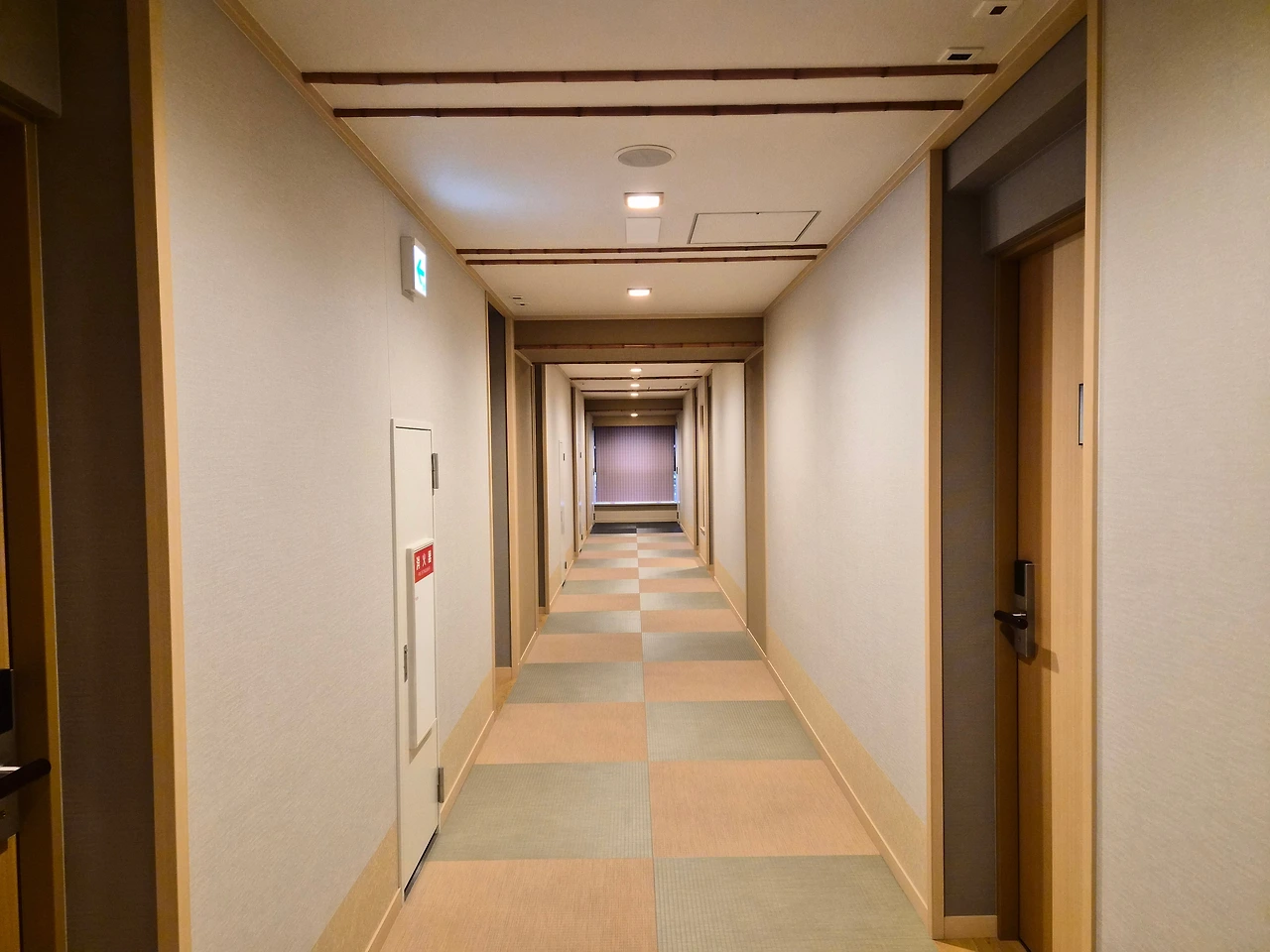
My son and I returned to the room.
We took out the sandwiches, hamburgers and apple juice we had bought at the supermarket the day before and had breakfast.
Then we talked again about what to do that day.
This time, my son spoke first.
“Can’t we go look around Aeon Mall and eat at Yoshinoya?”
It was an itinerary he had found while preparing for the trip.
“Let’s do that.”
In the morning, I had thought I had to decide the direction.
But in the end, the person who gave direction to the day was my son.
When I think about it, leading someone does not always mean I have to create the answer myself. If a good idea comes from someone else, accepting it and helping that choice work well may also be a role.
We headed to Sakaiminato Station.
Then we boarded the train to Yonago.
The trip to our destination would take a little over fifty minutes. Only a few days earlier, Sakaiminato Station had been an unfamiliar terminal. I had been unsure whether we had bought the right ticket or which train we should take.
Now it felt familiar.
Maybe because of that, leaving a neighborhood that had become familiar and traveling fifty minutes by train made it feel as if we were beginning a small journey again.
We arrived at Yonago Station, crossed the road, and looked around Aeon Mall nearby.
Then my son brought up plastic models.
“Dad, I want to buy a model kit.”
My son likes car model kits. But he does not want just any model. If possible, he wanted a car model that was already painted and only needed to be assembled.
When we searched, we found that Edion Yonago Main Store had a model-kit section.
We decided to go.
First, we ate at Yoshinoya.
Beef bowl.
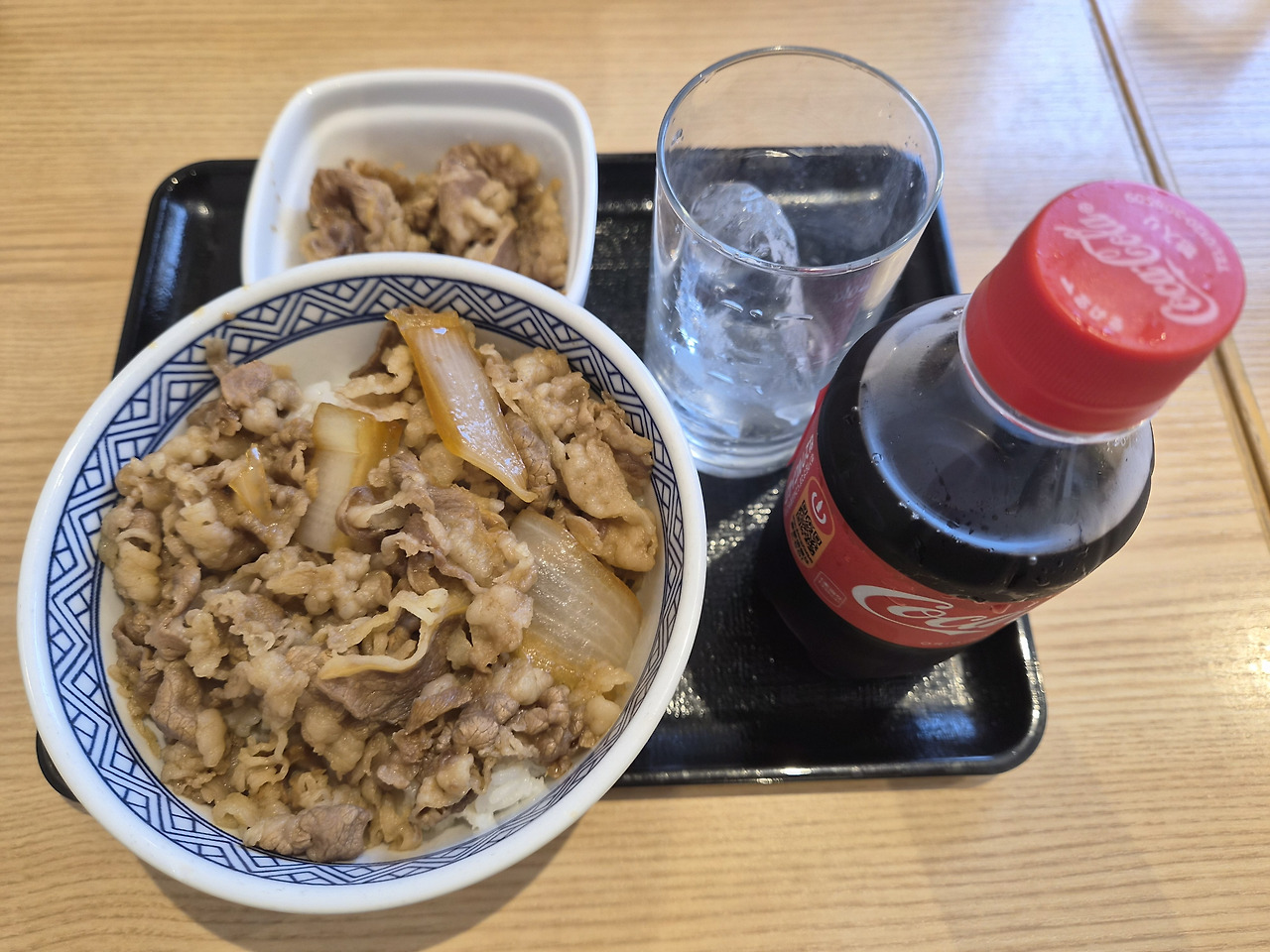
After eating, I checked how to get there.
Should we take a taxi? A bus? Walk?
The map showed a distance of about 1.8 kilometers. Walking would take a little over twenty minutes. A taxi would be comfortable, but it would cost money.
I made a proposal to my son.
“Should we walk?”
His expression immediately said,
Why?
So I quickly added a condition.
“I’ll add the taxi fare we save to your model-kit budget.”
The negotiation was settled immediately.
“Let’s go.”
What motivation is stronger than cash?
We began walking.
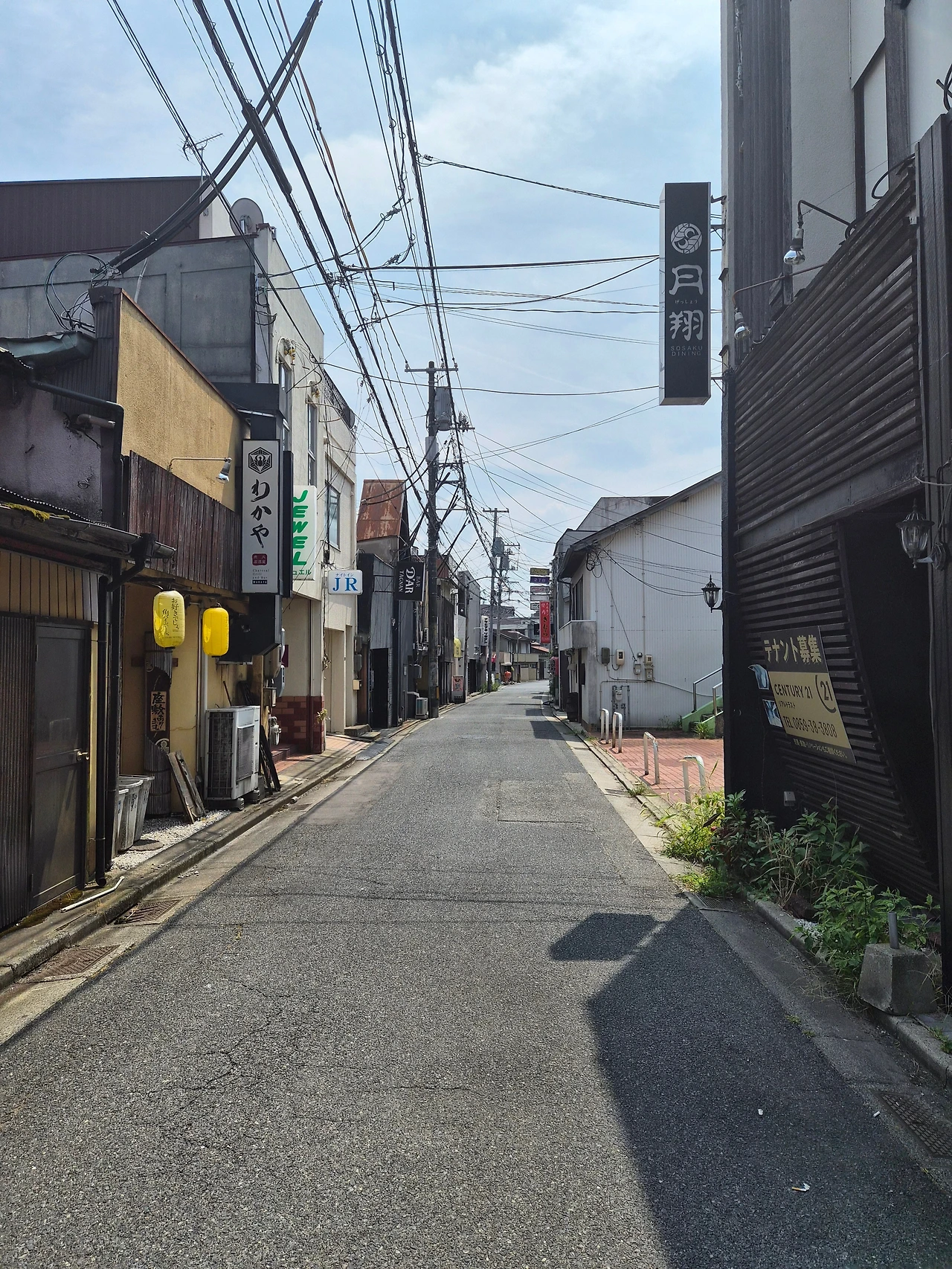
The road was more interesting than expected. We were passing through an ordinary street when the atmosphere of the signs suddenly changed.
SNACK.
LOUNGE.
PUB.
Small buildings were covered with signs that looked as if they would light up only at night. Because it was daytime, most places were closed. There were hardly any people.
I checked Google Maps again.
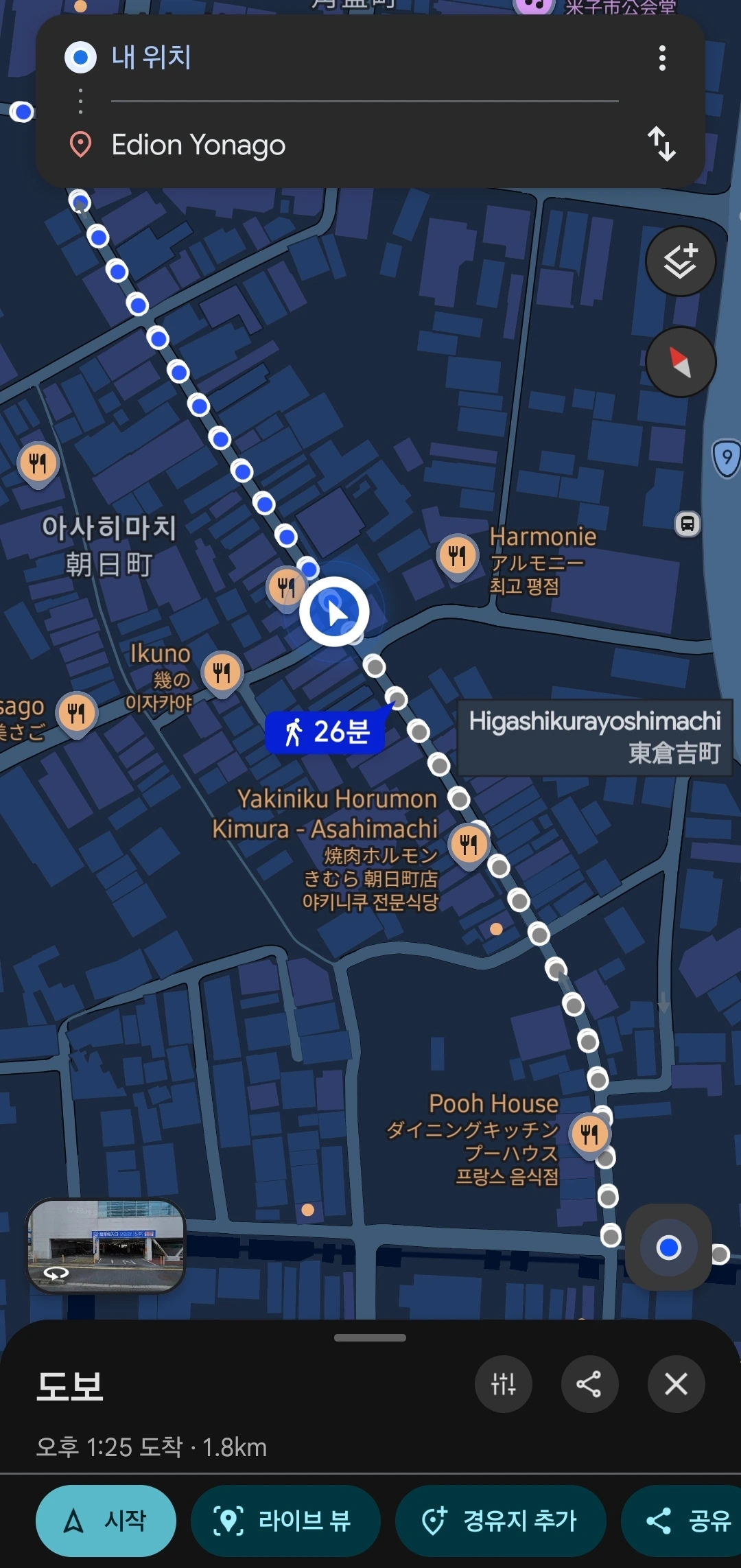
This is the right way, isn’t it?
It turned out to be Yonago’s nightlife district.
A father and his middle-school son, on their way to buy a model car, were walking right through the middle of a daytime entertainment district.
The situation was a little funny.
If we had only gone from tourist spot to tourist spot, we would never have walked this kind of street on purpose. But because we were walking, we saw another face of the city.
An alley that seemed to exist for the night was surprisingly quiet during the day. Perhaps because there were no people, the buildings and old signs stood out more clearly.
It was a different kind of stillness from what I had felt in Sakaiminato the day before.
After walking a little farther, my son’s eyes suddenly widened.
“Dad! Don Quijote!”
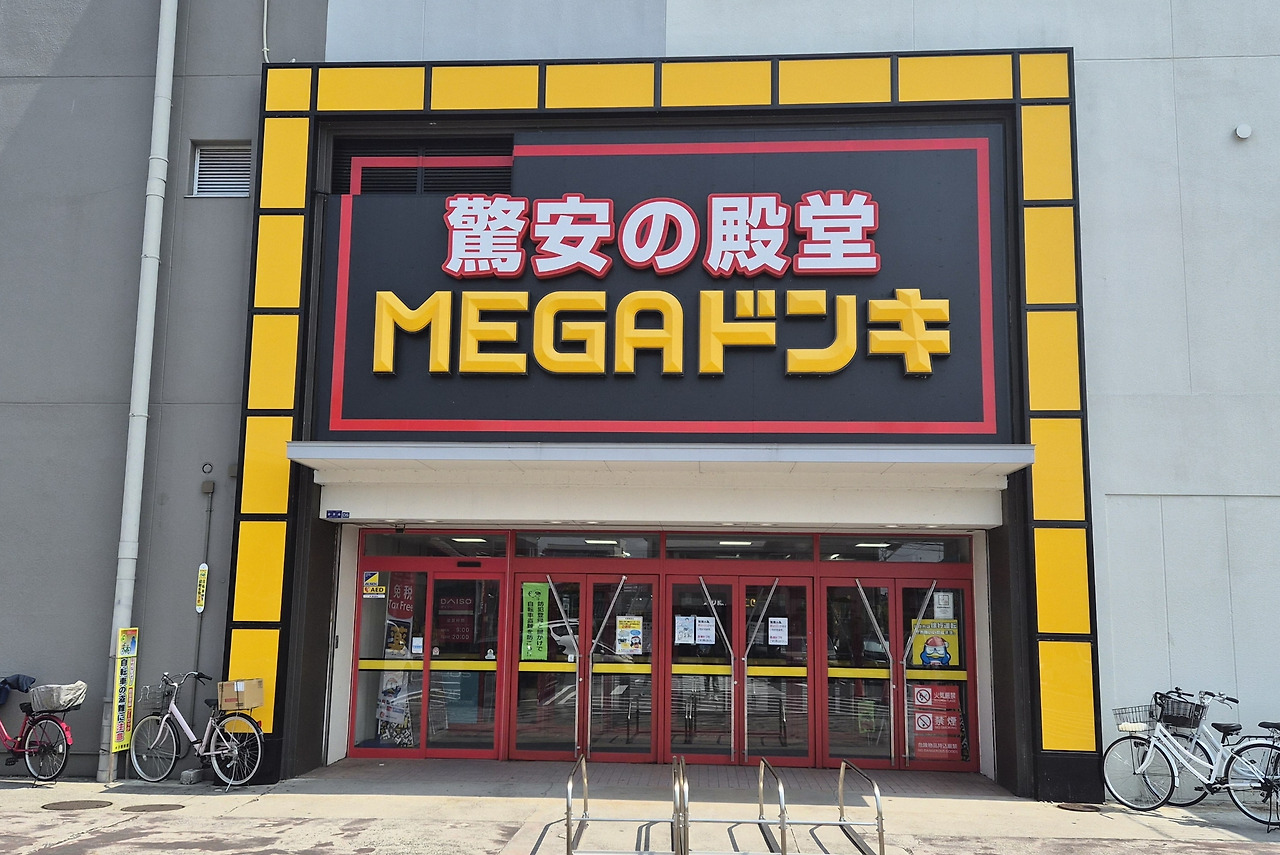
It was a MEGA Don Quijote.
He moved into the building so quickly that it was hard to believe this was the same child who had been reluctant to walk just minutes earlier.
Don Quijote seems to have a strange power that pulls people in.
We went to the toy section. There were model kits there too. My son checked the boxes one by one.
After looking for a while, he shook his head.
“There’s nothing I like.”
He bought nothing.
Instead, another place caught my eye. There was a 2nd STREET nearby. A Japanese secondhand reuse shop. For someone like me, who likes browsing used clothes, bags and various secondhand items, it was hard to pass by.
“Should we take a quick look over there too?”
My son was firm.
“Dad, let’s go to Edion.”
In the end, I barely got to look around, and we started walking again.
When traveling, a parent’s interests and a child’s interests can split so precisely. I was curious about designer clothes and bags, while my son was in a hurry for car model kits.
At last, we arrived at Edion.
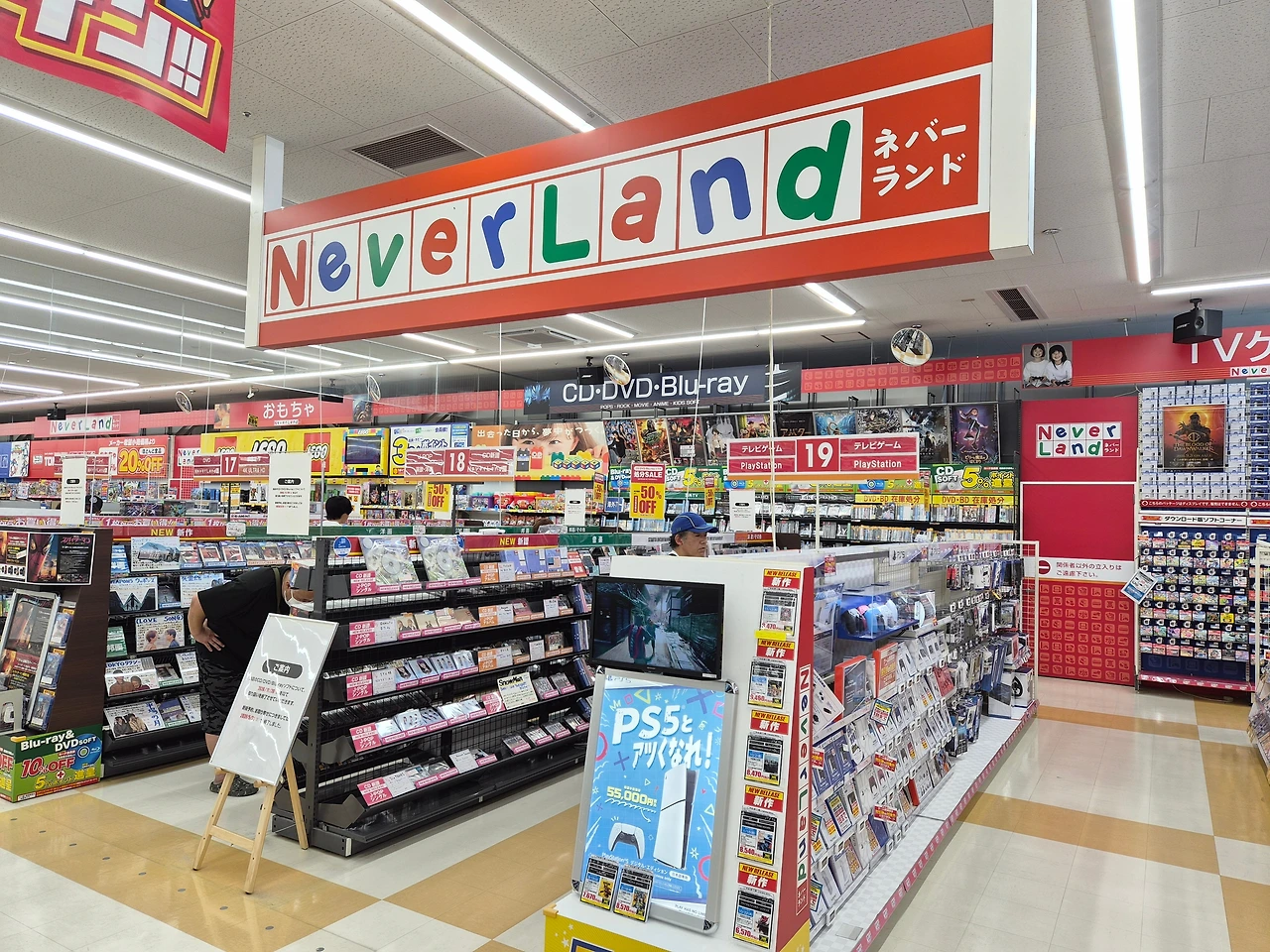
As soon as my son entered the model-kit section, his expression changed.
He picked up boxes and put them down. He checked the car models, the size, and whether they were already painted.
But there were fewer pre-painted models than he had hoped. Most were ordinary model kits that had to be assembled and painted by hand.
After long consideration, he chose two cars.
A Suzuki Jimny JA11.
And a Subaru Impreza Sports Wagon WRX.
He also wanted to buy paint.
But we had to fly back home. Model-kit sprays or adhesives can be restricted on airplanes depending on their ingredients, so we decided not to take the risk.
“Let’s buy the painting supplies in Korea.”
He looked a little disappointed, but accepted it.
I had not expected that we would come to Japan, buy model kits, discuss whether they were painted, and eventually even think about aviation hazardous-material rules.
My son’s face was bright as he held the boxes in his arms.
That was enough.
In the morning, I had worried about how to “lead” the trip. By afternoon, what I needed to do seemed simpler than I had thought.
Walk with my son until he found what he liked.
And add a little support within a range I could manage.
Maybe being a parent is not always about giving the right answer.
Maybe it is sometimes just that.
After shopping, we headed to Goto Station.
It was a small station. We checked the direction toward Sakaiminato and bought tickets. I was not as nervous as when we first began the trip. The Sakai Line had become a little familiar now.
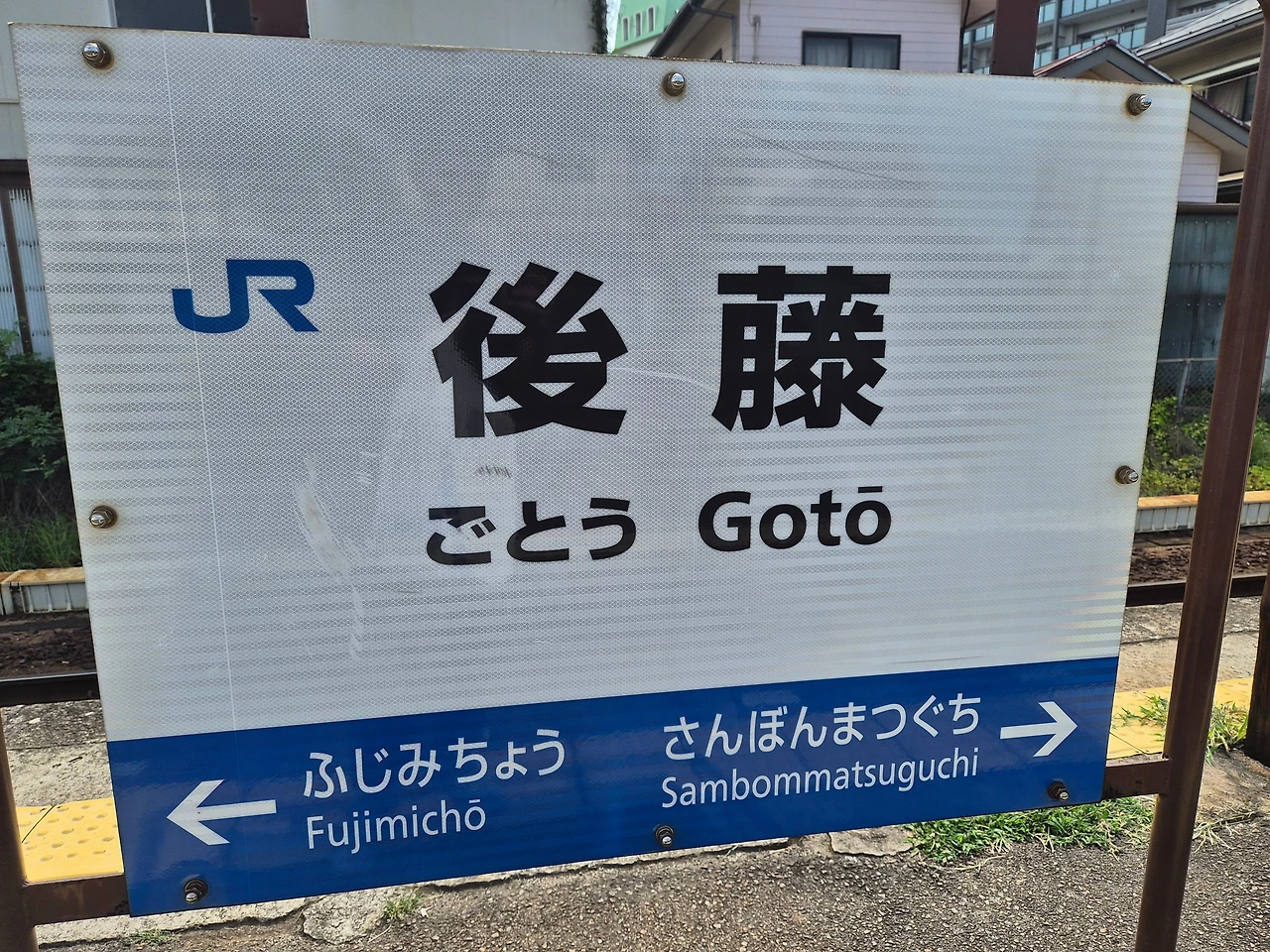
All we needed was to check the characters “境港” for Sakaiminato.
The train arrived.
My son and I boarded.
The model-kit boxes were held tightly in his hands.
In the morning, I had not known how we would spend the day. But in the end, we had gone fairly far.
We walked through downtown Yonago, ate the beef bowl my son wanted, passed through the nightlife district because we were walking, were pulled into Don Quijote and came out empty-handed, then walked all the way to Edion and bought two cars.
Almost nothing went exactly according to plan.
But maybe that was why it felt more like travel.
The conversation I had with my son at the curry restaurant the day before remained in my mind.
“It felt like the feeling that I was traveling fully with Dad was broken.”
After hearing that, I tried to keep my phone as far away as possible. Except when checking Google Maps, I tried not to hold it. I also tried not to look at work-related messages.
Because that was what my son had wanted.
But once I put down my phone, something strange became visible.
My son’s phone.
When we moved, he played games. When we returned to the hotel, he watched YouTube. Even when I was tired and dozed off for a while, I would wake up and find him looking at the screen.
At first, I let it be.
He was in his first year of middle school, so I thought that could happen. It also seemed inconsistent for me to scold him when I used my phone so much myself.
But as I watched some videos with him, something began to bother me.
They were videos where someone was mocked, deliberately embarrassed, and made into a source of laughter because of their reaction.
My son laughed.
I did not find them funny.
I felt uncomfortable.
If it had been only one or two videos, I might have passed it off. But similar videos kept appearing.
Is it okay for him to keep watching this?
That thought grew larger inside me.
Eventually, the words I had been holding back came out.
“Why do you keep watching things like this?”
My voice was a little loud.
My son must have been startled. He had come on a trip, and suddenly his father’s lecture had begun.
I paused and took a breath.
I did not want to get angry. I wanted to explain what I really meant.
I lowered my voice a little.
I told him I was not trying to say he should not watch YouTube. I was not trying to say he should not play games. I only wanted him to think once in a while about what he was spending his time on.
Time does not simply disappear, I said. The hour he spends now is one hour of his life. What he watches, what he listens to, and whose words he hears repeatedly slowly shape the way he thinks.
Especially when laughter is made by mocking someone or lowering someone, I wanted him to ask himself whether that was truly fun.
And if possible, I wanted him to know the joy not only of consuming things, but of making things himself.
Just as I write, he could build the cars he likes, design something, and experience the satisfaction of turning what was in his head into a real object.
The truth is, my son likes making things.
Maybe that was why I felt it was a little wasteful to see him spend so much time only scrolling through what other people had made on a screen.
I had meant to keep it short.
But a father’s lecture is always longer than planned.
One thought led to another. Before I knew it, almost an hour had passed.
I’ve gone and given another long speech.
When the conversation ended, the air in the room felt different.
It felt as if a thin wall had been built between my son and me.
He spoke less.
I did not bring up anything else either.
It was awkward.
Lying in bed, I thought about the irony.
The day before, my son had asked me to put down my phone.
“It felt like the feeling that I was traveling fully with Dad was broken.”
So I put down my phone.
But once I put down my phone and began to look at my son, I saw the screen he was looking at.
I told my son to take his eyes off the screen a little and look at another world.
Looking back, perhaps we had been saying similar things to each other.
Please look at me.
My son asked me to look at him instead of work.
I asked him to look at a wider world instead of the screen.
Neither of us was wrong.
But perhaps the problem was that we had started by telling our own stories before entering each other’s worlds.
Being a father is difficult.
As difficult as being a leader at work.
How far should I give direction?
From where should I let him choose for himself?
When should I speak?
And the harder question:
When should I keep my mouth shut?
It was not so different from the question that had confused me so much in my morning dream.
What I should do myself and what I should entrust to others.
When I should intervene and when I should wait.
The problem I had failed to solve at work had followed me on this trip with my son, only in another form.
But there was an important difference.
A project at work has a deadline and an evaluation.
A relationship with a child has no final submission date.
If I make a mistake today, I can speak again tomorrow.
If feelings are hurt today, I can reach out again the next day.
Perhaps parents and children spend a very long time learning each other in that way.
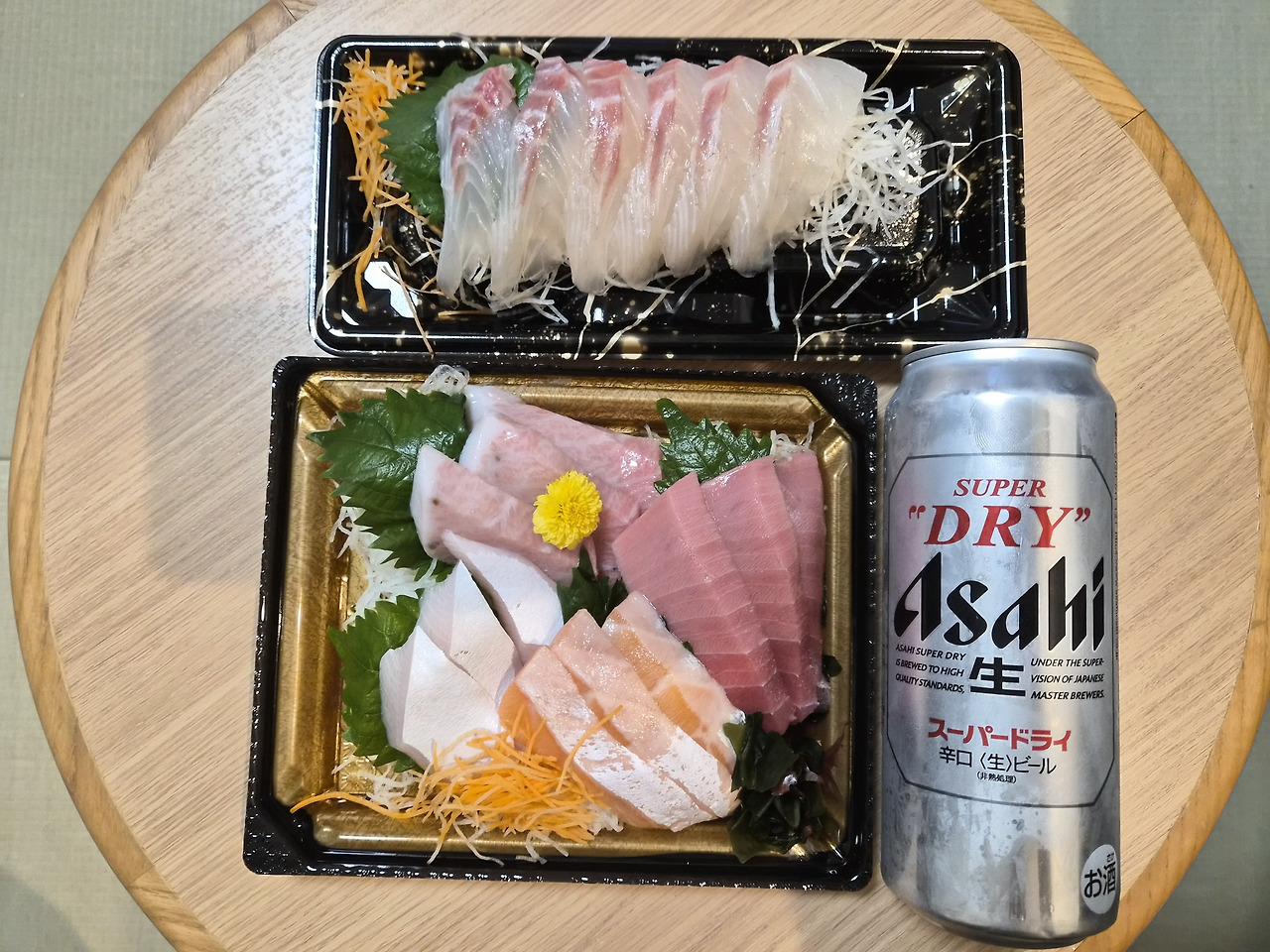
The night deepened.
The next day would be the fourth day of the trip.
And in truth, it would be the last full day we could spend here.
The day after that, we would pack, check out, and head to the airport.
When we first arrived, everything in Sakaiminato had been unfamiliar.
I did not know which train to take. Even buying a small paper ticket had made me nervous.
Now it was different.
The station felt familiar.
I knew where the supermarket was. I knew that buying cola at the supermarket was cheaper than buying it at the convenience store.
I knew where to go down at 10 p.m. to eat yonaki soba.
Only a few days had passed, but the travel destination had slowly begun to feel like a living space.
And as always, by the time a place begins to feel familiar, the time to leave draws near.
That night, my son and I were a little awkward with each other.
Lying in bed, I thought,
Did I talk too much?
Would it have been better if I had said a little less?
Something in the corner of my heart felt uncomfortable.
Still, one day remained.
We could go into the hot spring one more time.
We could ride bicycles one more time.
We could eat one more meal together.
If I had done something wrong today, I could try again tomorrow.
When I started this trip, I thought I had to take good care of my son and guide him well.
But after three days, my thinking was changing a little.
Perhaps what matters more than “taking my son around well” is learning each other’s pace.
On some days, I may go ahead.
On some days, my son may find the road.
At certain moments, I may need to wait.
At other moments, I may need to leave him alone.
I still do not know where the right line is.
I will probably get it wrong often.
Still, the next day comes.
And so, for a father and son who had become a little awkward with each other, the last full morning of the trip was approaching.