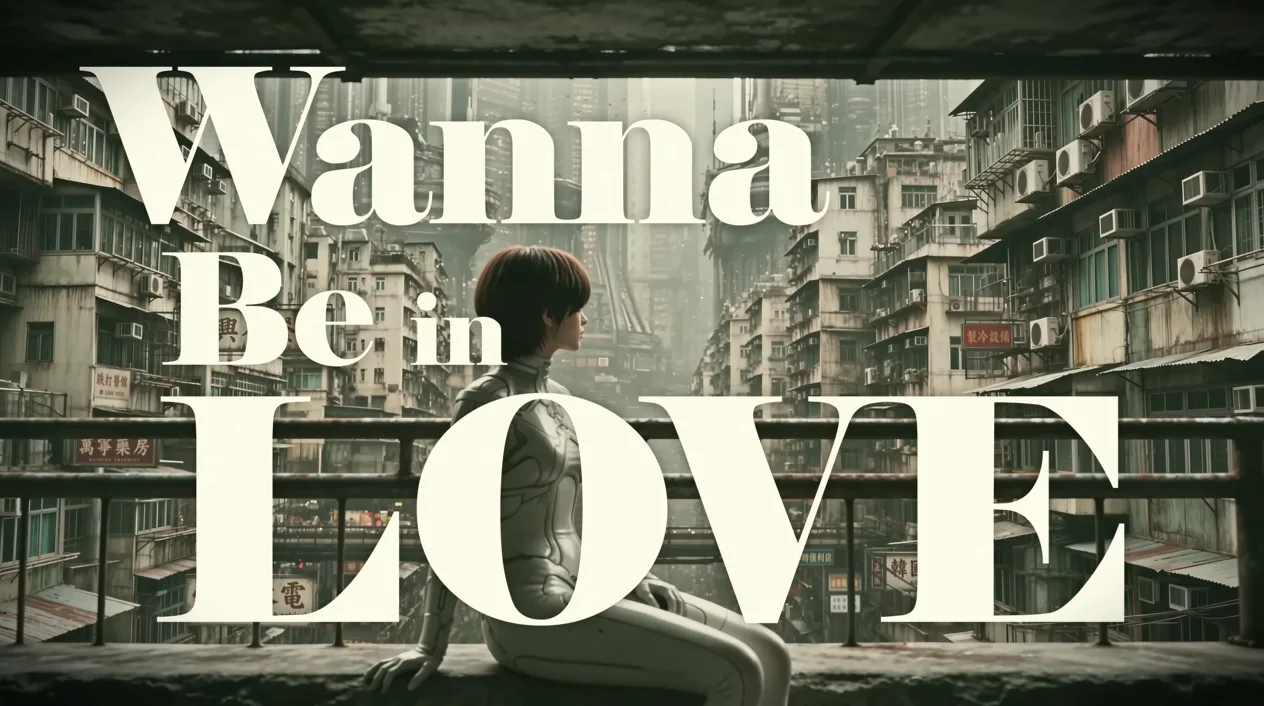
Shift Up released the music video for ‘Wanna be in LOVE’ on July 31, centered on Evie, a character from ‘Stellar Blade: Blood Rain.’ The video used generative AI within a concept reminiscent of a K-pop idol performance, and the use of AI was disclosed in the description. Soon after release, fans began pointing out that Evie’s face and expressions seemed to shift subtly from scene to scene, while her movements and gaze did not always flow naturally. Some viewers also noted unstable visual textures commonly associated with generative AI.
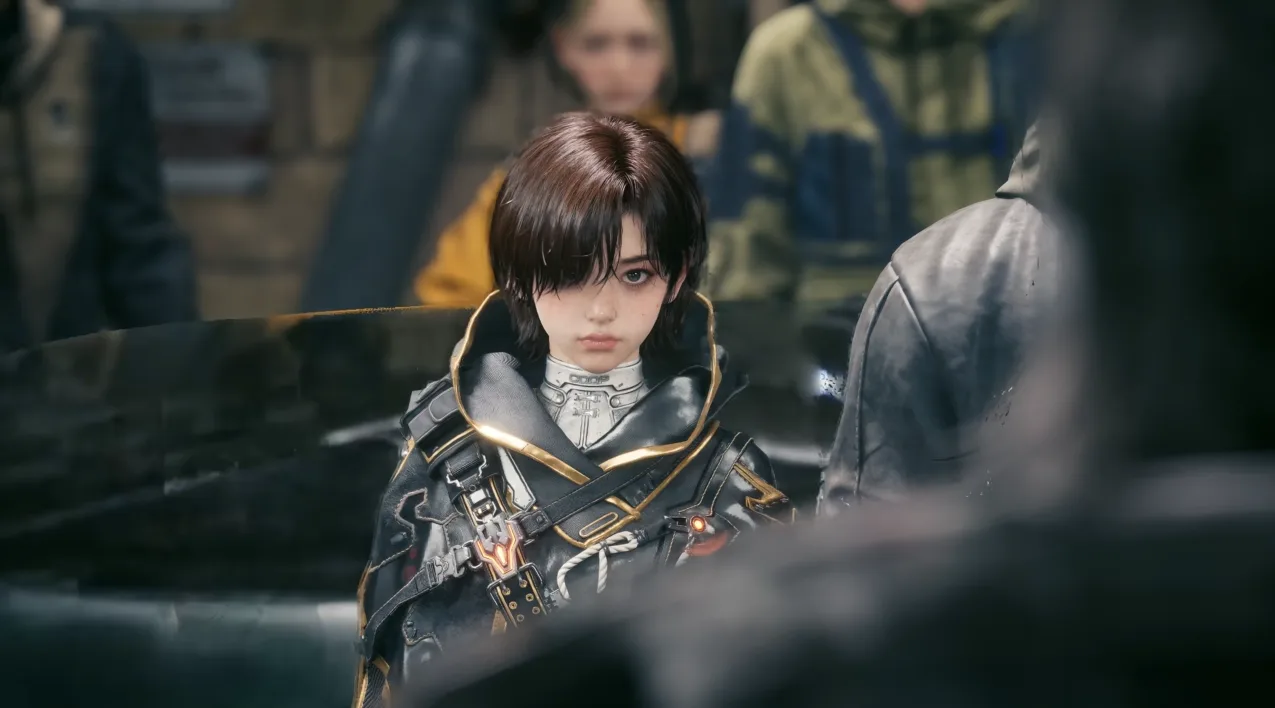
The controversy resurfaced in early September, after Shift Up CTO Lee Dong-gi said in a follow-up interview that the company was taking fans’ concerns seriously. Shift Up described the video as experimental content intended to present the character and world in a different way from the main game, and said it would draw a clearer distinction between game-related content and this kind of experimental work in the future. That did not mean the company intended to abandon AI altogether. Rather, it continued to view AI as one of many tools that could be used in development, leaving open the possibility of further use where appropriate.
Even with the video framed as experimental content, however, the backlash did not quickly fade. Shift Up had not hidden its use of AI, and it had also made clear that the video was meant as a different kind of experiment from the main game. So why did fans remain uncomfortable with it?
What fans objected to first was not the use of AI itself, but the quality of the final result.
The ‘Uncanny Valley’ Appeared Before the Novelty Did
The most immediate source of dissatisfaction was the way the character was depicted. Throughout the video, Evie looks and moves much like a real person, yet viewers pointed out that her overall appearance shifts slightly from scene to scene, while her expressions, gaze, and lip movements do not always connect naturally. Smaller details, such as signs and book covers, also showed distorted text and a lack of consistency typical of generative AI imagery. Some media outlets specifically noted that Evie’s face appeared different from cut to cut, while text in the background became warped and difficult to read.
These problems become even more noticeable when a human figure is placed at the center of the screen. Minor flaws in the background may go unnoticed, but people are highly sensitive to subtle irregularities in faces and expressions. That is why the so-called “uncanny valley” naturally comes to mind: the closer something gets to looking human, the more disturbing even small deviations can feel.
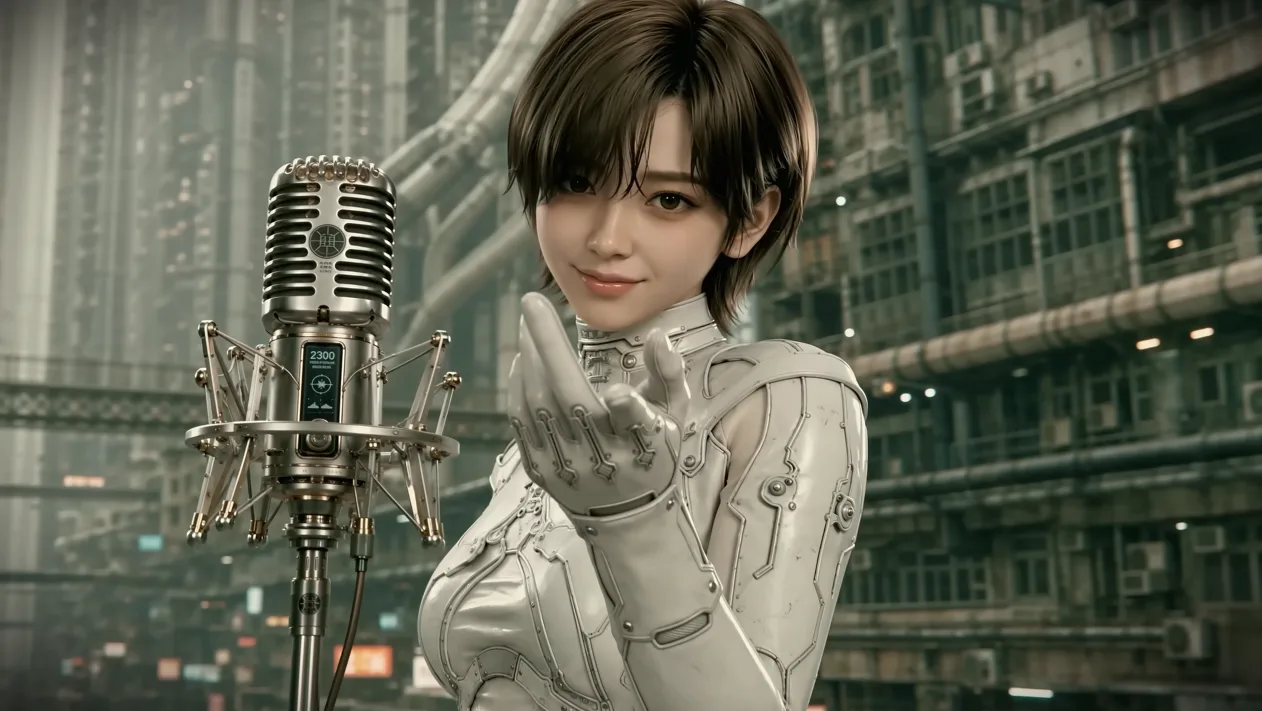
User reactions quickly picked up on the same issue. One Reddit user remarked, “So that’s why the protagonist’s face looked different in every scene,” while other users similarly criticized the way Evie’s appearance seemed to change from cut to cut.
Of course, this kind of instability is not entirely new in generative-AI video. What matters more is that Shift Up used the technology in an official promotional piece. An experimental production method could, in theory, reveal other advantages by enabling scenes that would otherwise be difficult to create or by opening up new visual styles. In this case, however, the awkwardness of the face and movement stood out before any sense of novelty did.
What Shift Up Did Well Was Instead Obscured
The quality issue felt more significant because of the kind of company Shift Up is. The studio built much of its reputation on character design and visual expression. CEO Kim Hyung-tae has also worked for many years as an illustrator, while both ‘Stellar Blade’ and ‘Goddess of Victory: NIKKE’ have been recognized in large part for their character designs and visual presentation.
That is why disappointment over the video did not end with the simple judgment that “the AI video looked poor.” Instead, it led to a broader reaction: why would a studio with this kind of visual strength choose to release something like this? After the controversy, Kim Hyung-tae explained that Evie was not created from scratch by AI. According to him, the character was the result of more than a year of work by the company’s artists and modelers, while AI was used to render and present the character based on data and designs created by the team.
That explanation may address questions about how the character was originally created. It does not, however, resolve dissatisfaction with the final result. What fans were looking at was not who first designed Evie, but how that character ultimately appeared in the finished video.
Within the Stellar Blade community, one widely supported reaction said that the user loved almost everything about the company and the game, but felt its obsession with AI was dragging the overall experience down. The same discussion also included complaints asking why a company that already had the talent and resources to produce strong content had chosen to release something like this.
That response captures the core of the controversy. Shift Up adopted a new technology, but it did not clearly enhance the company’s established strengths in character depiction and visual presentation. Instead, the instability in faces and movement that fans criticized often drew attention before the character itself did. Rather than extending the studio’s visual identity, the technology gave the impression of obscuring the aesthetic qualities audiences had come to expect from its previous work.
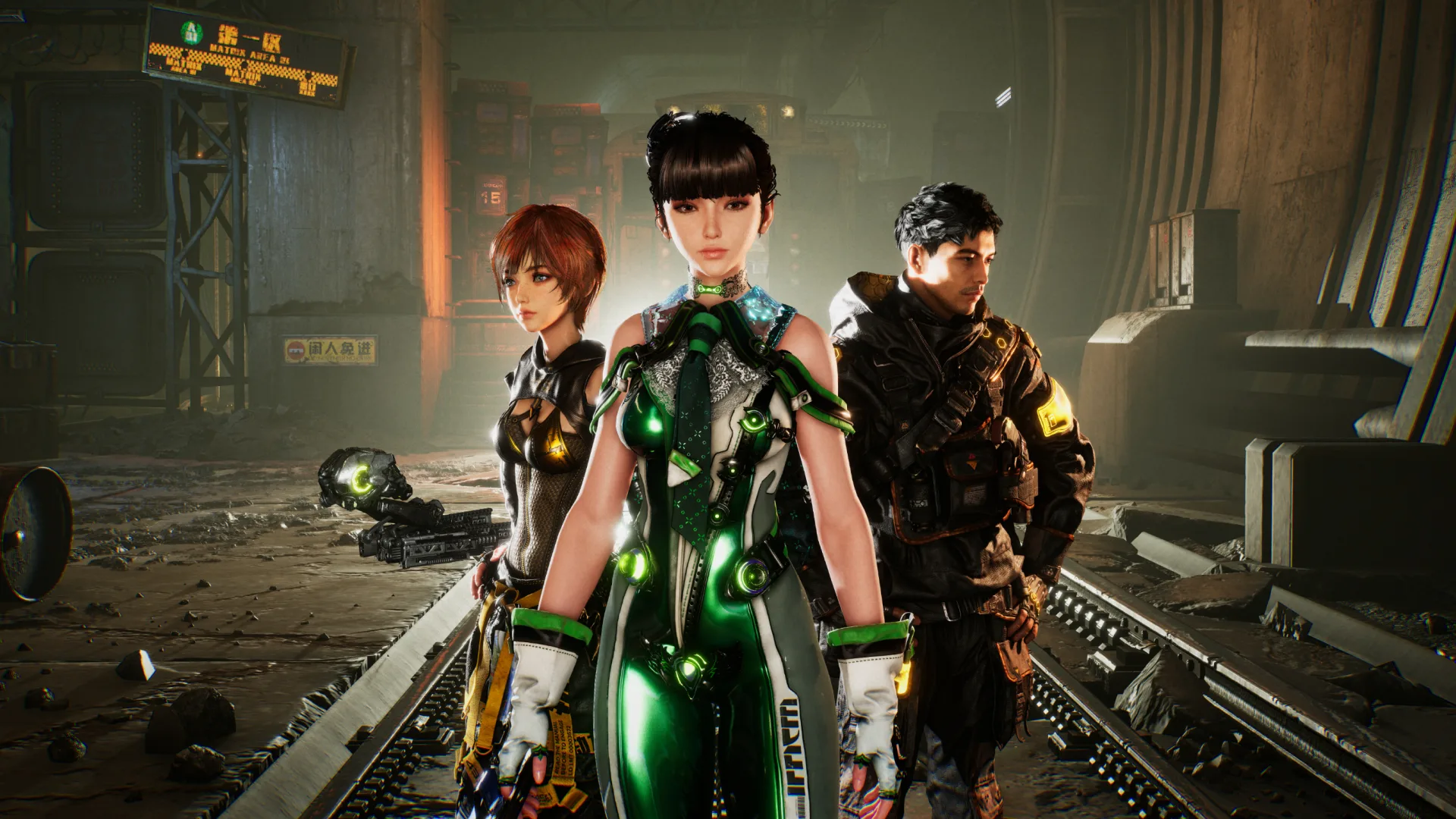
Ultimately, the stronger a company’s brand identity is, the higher the expectations become when it adopts a new technology. What users expect is not simply greater efficiency or an unfamiliar production method, but evidence that the technology can amplify what already makes the work distinctive.
If It Was ‘Experimental Content,’ What Was It Supposed to Experiment With?
If Shift Up defines the video as “experimental content,” the remaining question is simple: what exactly was being tested?
An experiment does not have to succeed. A new production method may fall short of expectations, and it may deliberately choose an aesthetic that differs sharply from earlier work. What matters is that the audience should be able to understand, at least to some degree, what the experiment was trying to explore.
With generative AI, the studio might have attempted to produce scenes that would normally be difficult because of time or cost, or to explore new forms of expression that move between realism and game graphics. Reinterpreting a character in a way that would be difficult to show in the main game could also be a valid experiment.
In this video, however, technical instability was more immediately visible than those possibilities. The K-pop idol concept itself was new, but it was less clear what kind of expression had become possible specifically because AI was used. By contrast, awkward facial movement, inconsistent motion, and visual discontinuity between scenes were relatively easy to notice.
For the label “experimental content” to be convincing, the experiment should show what it was trying to achieve even if the final polish is uneven. In this case, the video left a stronger impression of having tried a new production method than of clearly demonstrating what value that method added to the finished work.
What Comes After Disclosing the Use of AI
Shift Up did not hide the fact that AI had been used. Yet the fact that the controversy continued suggests that user judgment no longer ends with the question of whether AI was used or whether its use was disclosed. Once that information is public, a more direct set of questions follows: why was AI chosen for this particular work, what improved compared with existing methods, and how did that choice affect the visual style and identity of the character?
This standard becomes even more sensitive in games, where characters, worlds, and visual styles are built over time into a recognizable brand. Users are not necessarily going to respond positively just because a production method saves time or reduces cost. If a technology chosen for efficiency appears to weaken the quality or individuality of an established work, users may perceive it as a loss rather than an innovation.
That is why it is not enough to frame this controversy simply as a debate for or against AI. The more important question is where and how AI should be used in creative production. Using it as an assistive tool to reduce repetitive work is a very different choice from allowing it to shape a character’s final presentation or the core aesthetic of the work.
Ultimately, disclosing the use of AI is only the starting point. A more fundamental question comes next.
If AI was used, what exactly became better because of it?