Watching a video on a smartphone requires little preparation. People can briefly check a screen while traveling or play a video while doing something else. Watching a video in VR, however, requires putting on a headset and checking the surrounding space. Even when watching the same video, VR involves a little more preparation before the experience begins, as well as a certain amount of time and attention while using the device.
In gaming, this process can actually become part of preparing for immersion, since the ability to move and interact within a space separated from reality is one of VR's greatest strengths. This sense of immersion has long been one of VR's defining attractions, driving improvements in hardware performance and the development of more diverse content. Yet despite offering such distinctive experiences, VR has still not become an everyday device used as naturally as a smartphone or television.
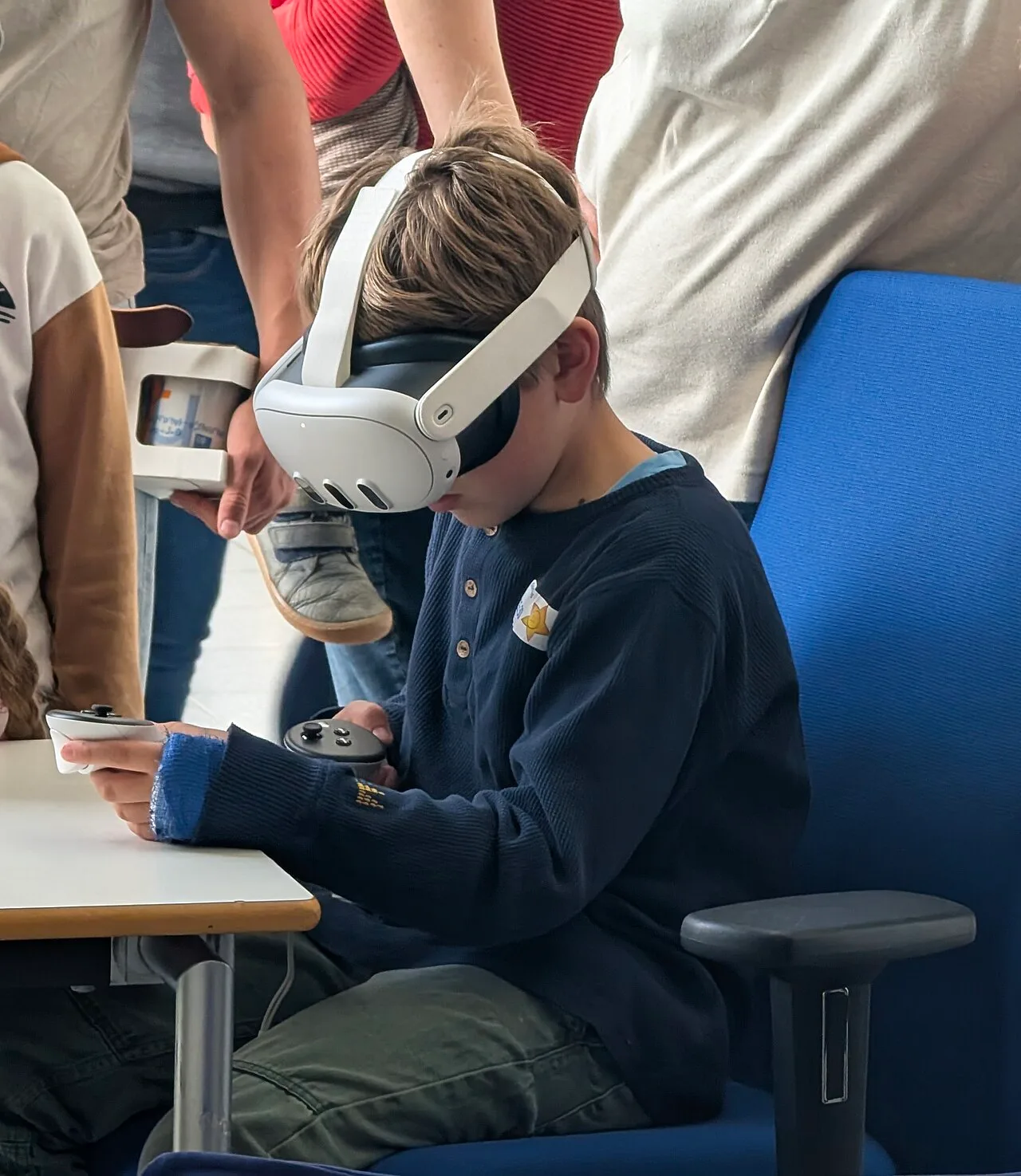
Meta's recently announced VR Glasses and expanded immersive sports broadcasts offer interesting examples in this context. The new device emphasizes a lighter form factor and applications for work and media consumption, unlike the existing Quest headsets. Meanwhile, immersive sports broadcasts allow viewers to experience the atmosphere of a stadium without complex controls.
Although the two initiatives take different approaches, both reflect efforts to bring VR beyond special-purpose experiences and into more everyday activities.
Lighter Use Rather Than Deeper Immersion
On September 23, 2026, Meta unveiled a new VR device called Meta VR Glasses, featuring a design distinct from its existing Quest headsets. Instead of a headset that wraps around the head, the device adopts a glasses-like form and weighs approximately 100 grams. Its displays and sensors are built into the glasses, while processing hardware and the battery are housed in a separate unit connected by a cable, reducing the weight carried on the user's face. Meta plans to launch the product in spring 2027 at a price of approximately $1,300 in the United States.
Changes are evident not only in the device's design but also in how it is used. Meta VR Glasses allows users to operate key functions through eye tracking, hand gestures, and voice commands without controllers. It also provides passthrough functionality, enabling users to see their surroundings through external cameras. Meta emphasizes a variety of everyday applications beyond gaming, including watching movies, working, and making video calls.
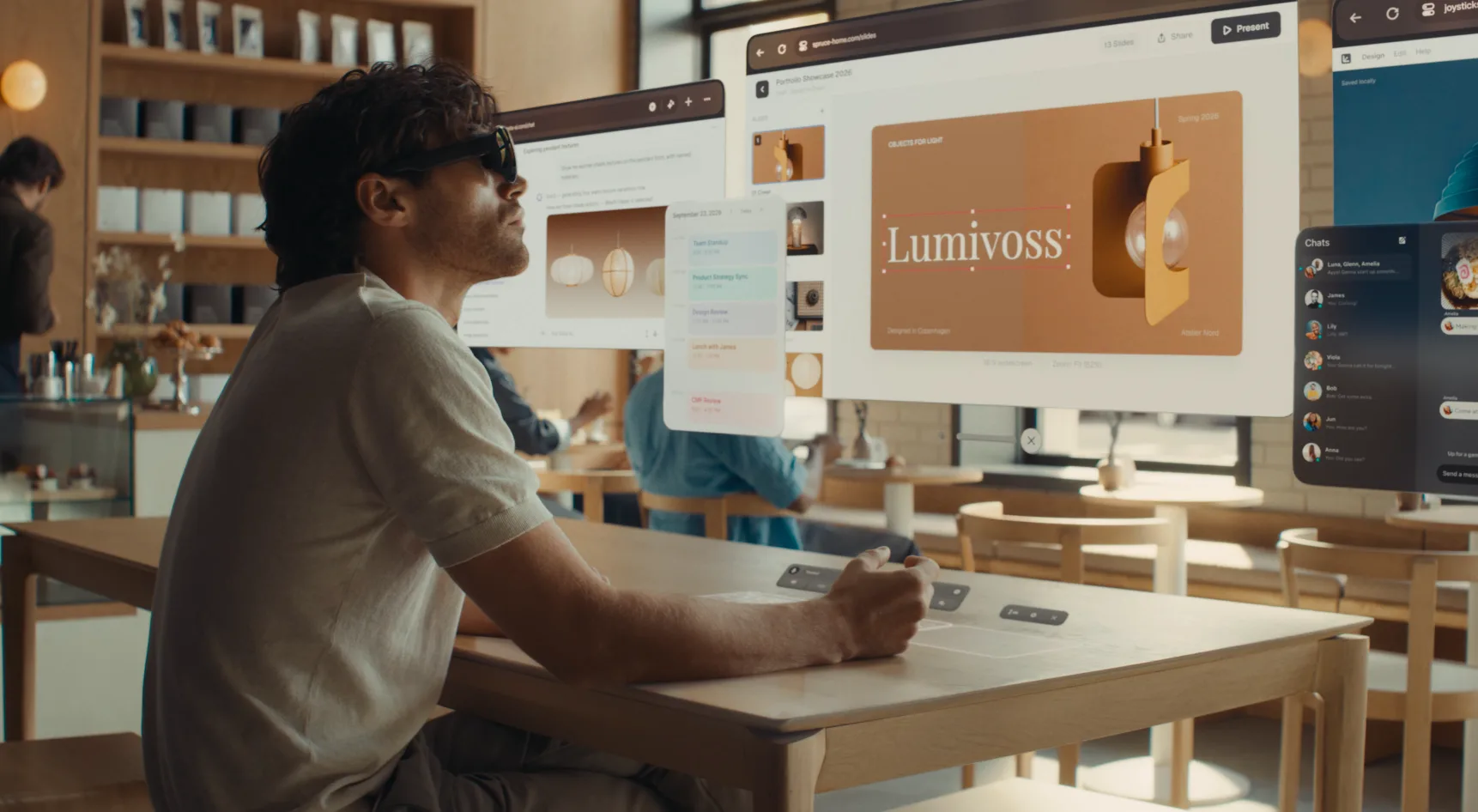
VR devices have traditionally evolved toward deeper immersion through wider fields of view, more precise motion tracking, and higher resolutions. Meta VR Glasses, however, makes different design choices rather than simply improving every specification over the existing Quest. While its display offers greater visual clarity, its field of view is narrower than that of the Quest 3. Instead of prioritizing the immersive experience provided by a wide field of view in games, Meta has placed greater emphasis on a lighter form factor and sharper visuals for reading documents and watching videos.
The device is also compatible with existing Quest games, although some require separate controllers. These choices suggest that improving VR performance and making VR more suitable for frequent everyday use do not necessarily lead in the same direction.
Feeling Like You're at the Stadium Without Playing the Game
Changes are also emerging in the content available through VR. In October 2026, Meta began offering college football broadcasts in immersive 180-degree, 8K video in partnership with ESPN. Existing Quest users can watch games from a perspective that creates the sensation of being at the stadium, with access to live broadcasts, replays, and highlights. Starting in 2027, Meta plans to expand its offerings to sports including MLB and UFC, with more than 100 immersive live events annually.
Of course, watching sports in VR is not a new concept. Meta has previously broadcast basketball, mixed martial arts, and other sporting events in virtual reality. What deserves attention this time is the effort to expand VR sports coverage beyond individual matches or occasional events into an ongoing media service. Rather than having to seek out a particular game or specialized VR experience, users can watch sports they already enjoy through a different viewing format.
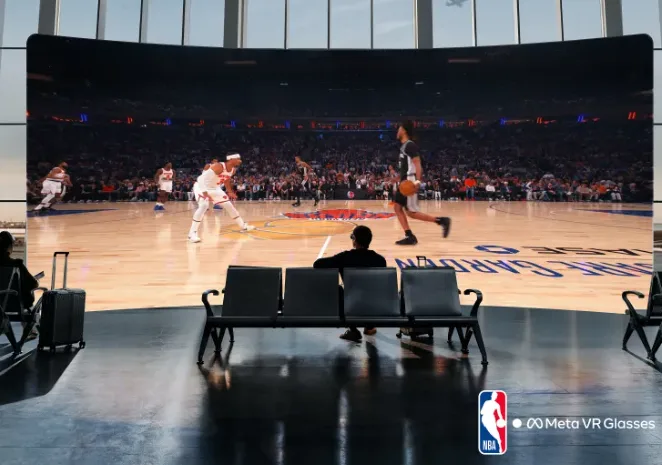
This viewing experience differs from conventional VR gaming. Games often require users to learn controller inputs, navigate virtual environments, or take direct action to complete objectives. Sports broadcasts, by contrast, can provide a sense of presence without demanding complex controls or active participation. Viewers do not need to enter the field or move around as players to experience VR's spatial presence and immersion; simply watching a match from a spectator's perspective can be enough. This approach does not reduce immersion, but instead maintains a strong sense of presence while reducing the actions required of the user.
However, reducing the amount of interaction does not necessarily make the overall VR experience easier. Even when viewers can watch a match without complex controls, they must still wear a headset and devote their attention to the game for a certain period. No matter how compelling the sense of presence may be, whether people will choose this viewing method regularly in everyday life remains a separate question.
What Does Immersion Cost?
When discussing the mainstream adoption of VR, the price and weight of devices, along with a lack of content, have long been cited as obstacles. But improving these conditions does not automatically make VR use an everyday habit. VR also involves another kind of burden that cannot be explained by hardware performance or price alone: the time and effort required to become immersed in an experience.
First, using VR involves preparation before the experience can begin. Taking out a headset, putting it on, and checking the surrounding space are steps that have not entirely disappeared despite technological advances. Although more devices can now operate without complicated room setup or separate controllers, repeating these steps for an activity lasting only a few minutes may still feel inconvenient.
Even after completing these preparations and entering a VR environment, maintaining immersion comes at a cost. VR is designed to direct users' gaze and attention toward a virtual environment, reducing surrounding distractions and encouraging deeper engagement. While this can be an advantage in games or simulations, it may make multitasking more difficult during everyday activities such as watching videos or working. If briefly checking information or watching a short video requires concentrating on a separate virtual environment, users may reconsider how much time they want to devote to that experience.
The relationship between VR use and everyday surroundings also deserves consideration. People can naturally converse with family or friends while watching the same television screen, but sharing a view or continuing a conversation with someone nearby may involve additional steps in VR. Users may find it harder to share what they are seeing or respond immediately to events around them. Although passthrough and mixed reality technologies are helping reduce this separation, they have not completely resolved the challenge of shifting attention between physical and virtual environments.
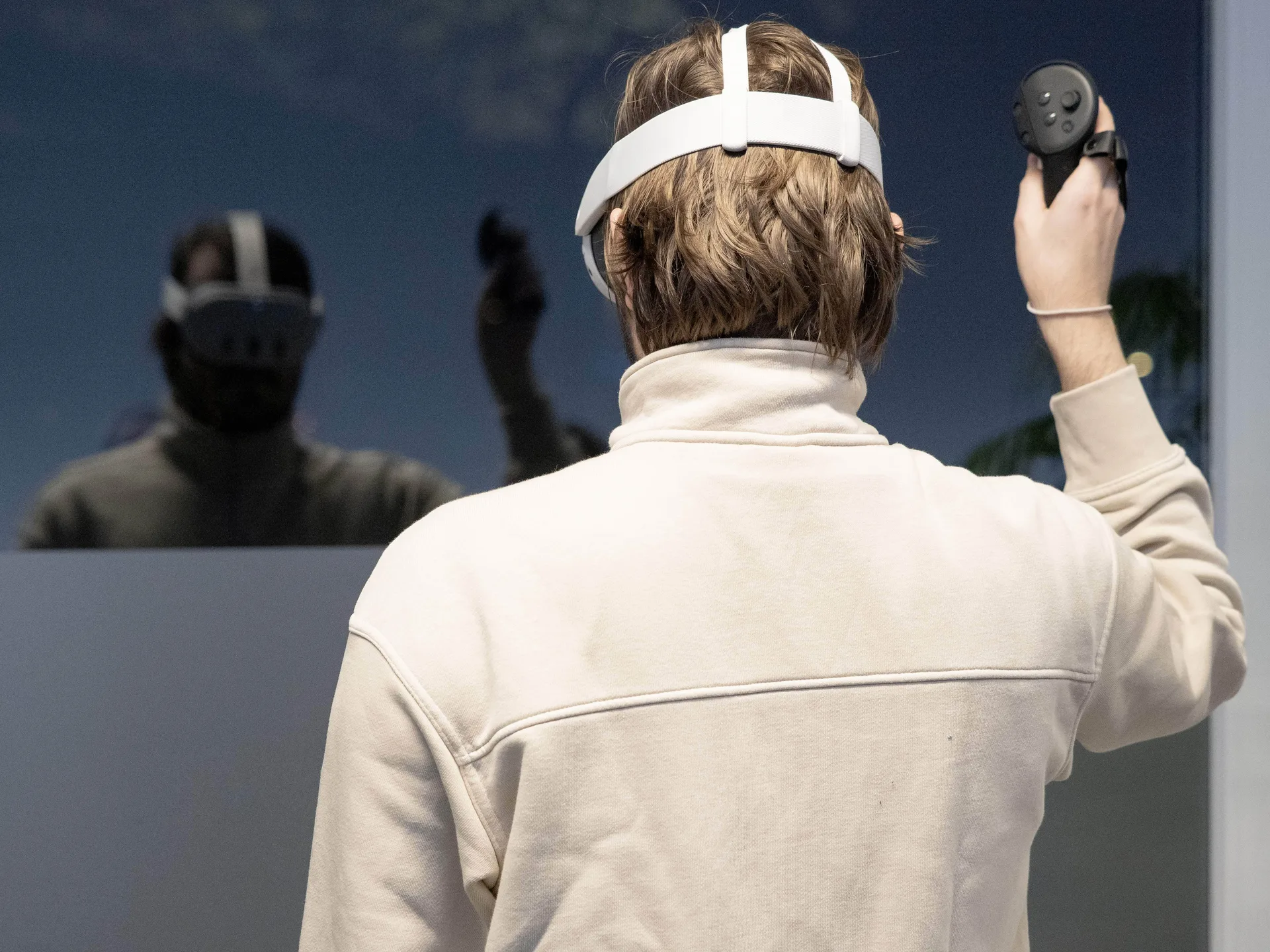
In this sense, the immersion offered by VR comes with several costs that users must accept. Even as headsets become lighter and controls become simpler, preparing to begin an experience, maintaining attention while using it, and adjusting one's relationship with the surrounding environment remain part of the process. Of course, when an experience offers an exceptional sense of presence or deep interaction, these costs may be well worth accepting.
VR That Lets Users Immerse Themselves When They Choose
Meta's new VR Glasses and immersive sports broadcasts represent two different attempts to reshape the VR experience. One seeks to improve accessibility through a lighter device and simpler controls, while the other allows users to experience a strong sense of presence without active interaction. However, whether these changes will be enough to make VR an everyday device remains uncertain. Even if VR becomes easier to use, people still need compelling reasons to choose it over familiar devices such as smartphones or televisions.
From this perspective, immersion is not necessarily a feature that must be maximized in every situation, but an aspect of the experience that can vary according to its purpose. In games and simulations, becoming deeply immersed in a space separated from physical reality may be essential. For activities such as watching videos or working, however, it may be more convenient to access information while remaining aware of one's surroundings. Even when using the same VR device, the desired level of immersion can differ depending on the activity.
In the future, the ability to choose when to enter and leave an immersive experience may become just as important as the technology used to create it. Users might briefly check a virtual screen, continue their everyday activities, and immerse themselves more deeply only when they wish. Achieving this will require not only lighter devices and improved controls, but also content and interfaces designed to make transitions between physical and virtual environments feel natural.
Deep immersion will remain one of VR's most compelling qualities. However, for VR to become a device people use regularly, allowing users to choose experiences according to their circumstances may be just as important as delivering exceptional immersion.
Ultimately, if VR, a technology built around the experience of "escaping reality," is to become part of everyday life, it may first need to reduce the burden of having to step away from reality "every single time" it is used.