On June 18, 2026, the U.S. Senate Judiciary Committee approved the NO FAKES Act by voice vote. A voice vote does not record each senator’s name and individual position. Instead, the chair determines the result by comparing the audible “ayes” and “noes” in the room. With committee approval secured, the bill advanced to a stage where it could be considered by the full Senate.
Support for the NO FAKES Act spans a broad coalition. SAG-AFTRA, which represents actors and voice performers, has joined musicians, songwriters, record labels, film studios, and labor organizations in backing the bill. Generative AI developer OpenAI, video platform YouTube, and technology company IBM have also endorsed it. Given how often creators and technology companies take opposing positions on AI regulation, their support for the same bill is notable.
Yet one organization has stepped back from that broad coalition and called for changes: the Entertainment Software Association, or ESA, which represents the U.S. video game industry.
Founded in 1994, the ESA has represented the game industry in policy and regulatory matters. Its members include major companies such as Microsoft, Nintendo of America, Sony Interactive Entertainment, and Electronic Arts. Its objections therefore reflect more than the dissatisfaction of a single company; they amount to a shared concern across much of the U.S. game industry.
The ESA does not reject the need for the NO FAKES Act. Its concern lies with the bill’s definition of a “digital replica.” The association argues that the current language is too broad and could place not only malicious deepfakes but also legitimate game characters, avatar systems, and character customization tools at legal risk. In games containing thousands of background characters, the ESA warns, a dispute could begin simply because one fictional person happens to resemble someone in real life.
This raises the central question surrounding the bill. Why would a law designed to stop the unauthorized copying of a person’s face and voice create a very different problem in games? To understand that, it is first necessary to examine what the NO FAKES Act is intended to protect.
What the NO FAKES Act Seeks to Protect
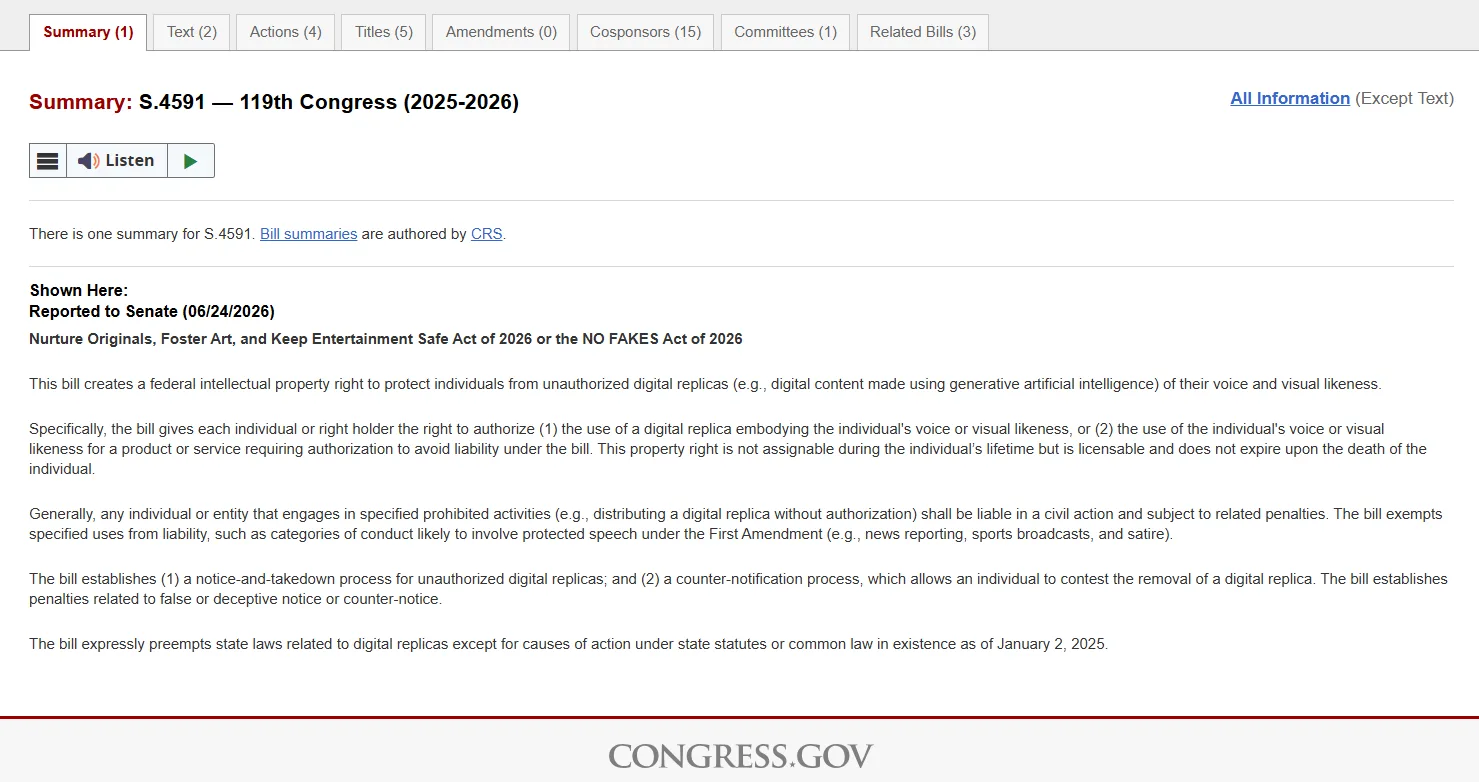
The full title of the NO FAKES Act is the Nurture Originals, Foster Art, and Keep Entertainment Safe Act of 2026. Its core purpose is to regulate the unauthorized replication of a person’s face or voice through generative AI and other digital technologies.
The bill calls such material a “digital replica.” This does not simply mean an image or voice that bears some resemblance to a real person. Under the bill, a digital replica is a newly generated, highly realistic image, video, or audio representation that can readily be identified as the face or voice of a specific individual. A typical example is material that makes someone appear to have said or done something they never actually said or did. Even when a real recording or performance serves as the source, the result may still fall within the bill’s scope if it materially alters the original expression.
The right would not be limited to celebrities who earn a living from their face or voice. The bill would grant every individual a federal right to authorize or refuse the use of their appearance and voice in digital replicas. Because publicity and likeness rights currently vary from state to state in the United States, the NO FAKES Act can be understood as an attempt to establish a common federal standard for digital replication.
Liability would not be limited to the person who directly created an unauthorized replica. Individuals and companies that publish or distribute it could also be held responsible. Online platforms may likewise face liability if they receive a valid notice or removal request and fail to take the action required by the bill. At the same time, the bill does not impose a general obligation on platforms to monitor every image or video uploaded to the internet in advance.
Rights in a person’s face and voice may also be licensed under certain conditions. While alive, an individual may authorize the use of a digital replica by contract. The right can continue after death as well. Under the version reported to the Senate, postmortem rights would initially last for ten years and could be renewed in five-year increments when authorized commercial use continues, up to a maximum of seventy years. The provision is intended to allow the families of actors, singers, and others to challenge unauthorized uses of a deceased person’s face or voice in advertising, films, or music.
The NO FAKES Act is not yet law. The Senate Judiciary Committee approved it on June 18, and the amended bill was formally reported to the Senate on June 24. It must still pass both chambers of Congress and receive the president’s signature before taking effect. The present debate is therefore not a response to an already finalized rule, but part of the legislative process through which the bill’s ultimate scope will be determined.
The need for the bill is relatively clear. Creating and distributing words or actions that a real person never said or performed, using that person’s face and voice, can damage personal safety, reputation, and economic rights. The difficulty begins when the same protection is applied to games. In film, it is often possible to distinguish between the original footage of an actor and a synthetic reproduction. In games, however, a character’s face, body, voice, and movement are digital from the beginning. That difference makes the bill’s definition of a digital replica far more complicated in the context of games.
In Games, Every Character Is a “Digital Human” From the Start
In film and music, the problem of digital replication is relatively easy to grasp. A real performance or recording exists first, and an unauthorized AI-generated copy or alteration follows. Individual cases may still involve disputes over contracts and the degree of transformation, but there is at least an original performance against which the new material can be compared.
Games begin from a different point. A game character is not a real person placed directly on the screen. The character is constructed by combining digital data for the face, body, skin, expressions, voice, and movement. Even when developers scan an actor’s face or record a performer’s voice and motion, the player ultimately encounters a digital character built from that material rather than the performer in person.
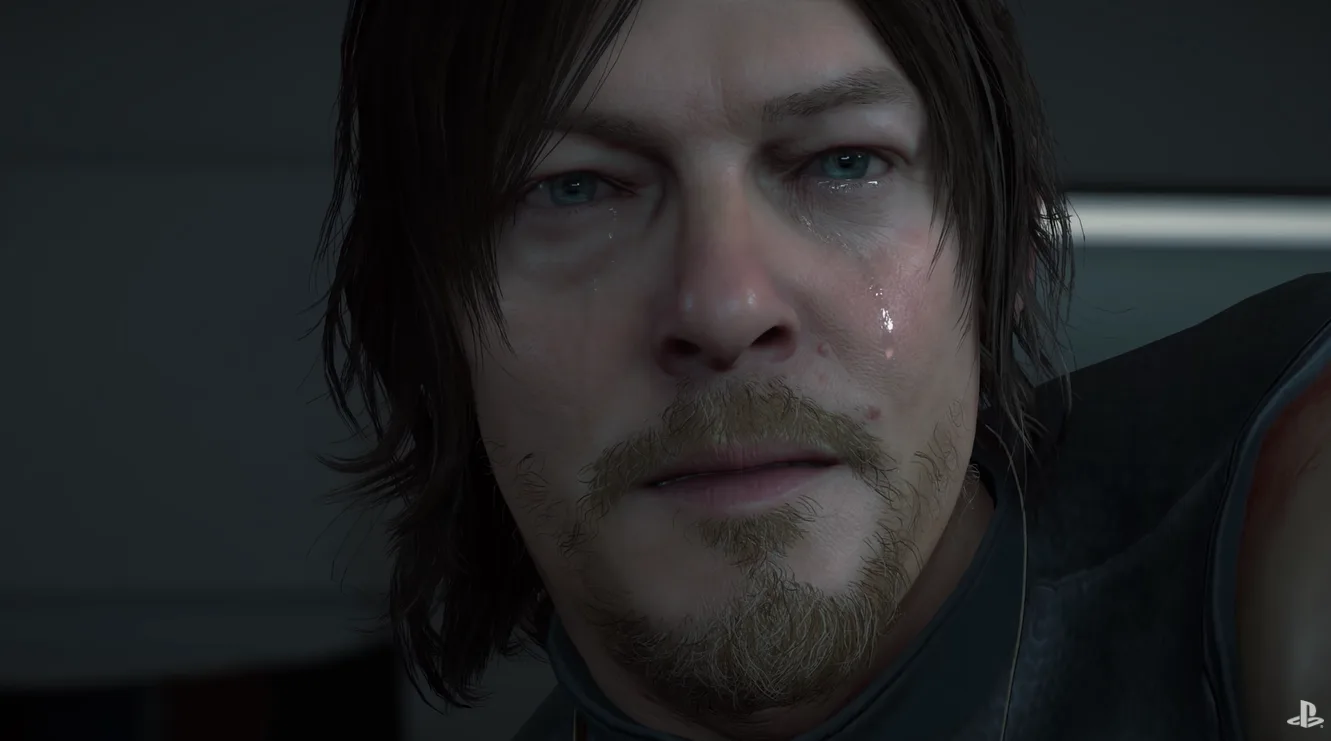
A representative example is Sam Porter Bridges, the protagonist of Death Stranding. The developers digitally recreated actor Norman Reedus’s face and body and recorded his expressions, movement, and performance for use in the game. What players see is not raw footage of Reedus, but a digital character reconstructed from his appearance and performance data. In games, the real actor and the virtual character are clearly distinct, yet remain closely connected through the face, voice, and movement.
Game characters are not all created in the same way. A studio may reproduce the face and voice of an actor or athlete under a formal contract. It may instead create a new person by combining reference material with original artistic design. A character may also happen to resemble someone whom the developers never intended to portray. Players can even adjust facial structure, eyes, nose, and mouth to create an avatar resembling a celebrity.
Problems may arise even when the original production was based on a legitimate contract. An actor’s face and voice may have been licensed for one title, only to be reused in another game or applied to newly generated dialogue. If AI is used in a way that was not anticipated when the contract was signed, the original consent may not justify every later use.
For that reason, determining whether a game character is a digital replica requires more than asking whom the finished character resembles. It also requires examining what source material was used, whether a specific person was intentionally recreated, how far the person’s consent and contract extended, and whether the character was created by the developer or the player.
In film and music, the central question is often whether a real performance was copied without permission. In games, the question is more complex: how should the law distinguish an unauthorized use of someone’s identity from a digital character designed independently from the outset?
The issue in games is not simply the difference between what is fake and what is real. It is the difference between unauthorized replication and independent digital creation.
The ESA’s Objection — Both Characters and Creation Tools Could Be Put at Risk
The Entertainment Software Association argues that the NO FAKES Act may fail to draw this distinction clearly enough. In its view, the bill could pull not only malicious deepfakes but also legitimately created game characters and general-purpose development tools into legal disputes.
The ESA’s objections fall into two main categories.
Characters That Resemble Real People by Accident Could Still Face Claims
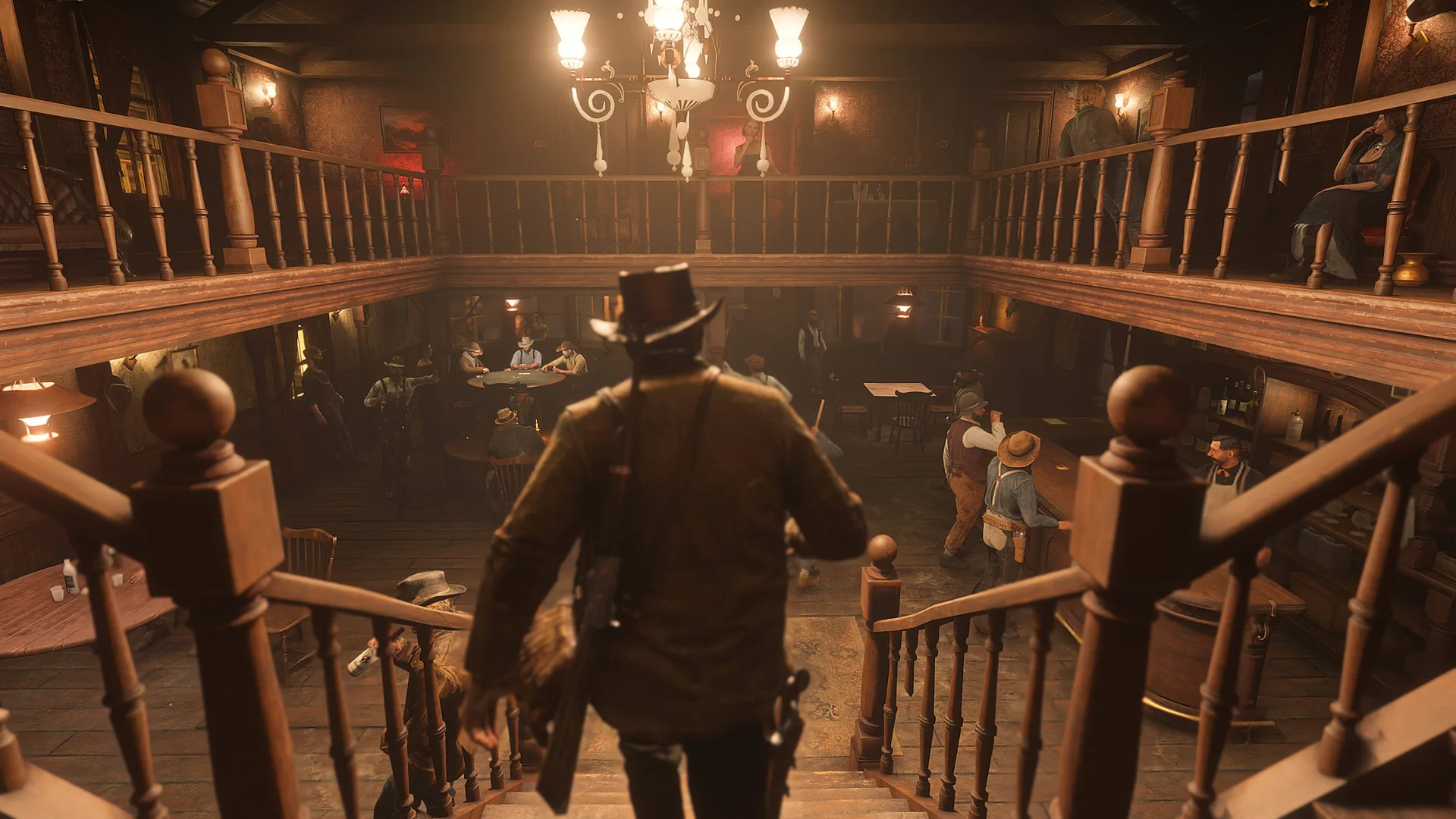
Large games today contain not only protagonists and major supporting characters, but also thousands of pedestrians, soldiers, merchants, spectators, and other background figures. Developers vary facial structure, body type, skin tone, hairstyle, and clothing so that these characters do not all look the same. During that process, a character may happen to resemble a real person even when no one was used as a reference.
The more a game pursues realistic graphics, the more closely its characters follow the actual structure of human faces and bodies. The ESA has pointed to titles such as Call of Duty and The Last of Us, warning that highly realistic characters could attract claims simply because they resemble someone in real life.
Whether legal liability is ultimately established is not the same question as whether a lawsuit can begin. Even if a studio never referenced the claimant and eventually prevails, it may still have to produce development records and reference materials to show that the character was created independently. Legal costs, character revisions, delayed updates, and changes to release schedules could follow.
The ESA is not asking for every resemblance to be excused. It is asking the law to distinguish between deliberate replication of a specific person and an accidental resemblance produced through an ordinary creative process.
The Line Between Deepfake Tools and Game Creation Tools Is Unclear
The second concern is not about the character alone, but about the tools used to create one. Game development relies on many technologies that digitally reproduce faces, bodies, voices, and motion. Character creators, avatar editors, facial scanning, motion capture, automated lip synchronization, and voice transformation are common examples.
These technologies are not designed specifically to impersonate other people. They are general-purpose tools for creating game characters or allowing players to customize avatars. Yet because they can produce realistic digital people, some of their functions may appear similar to deepfake technology.
Consider a character creator that allows players to make detailed adjustments to facial shape, jawline, eyes, and nose. A player could use it to create an avatar resembling a famous actor. The studio did not instruct the player to reproduce that actor, and the tool was not designed for that purpose. Yet the finished result would still be a digital character that resembles a real person.
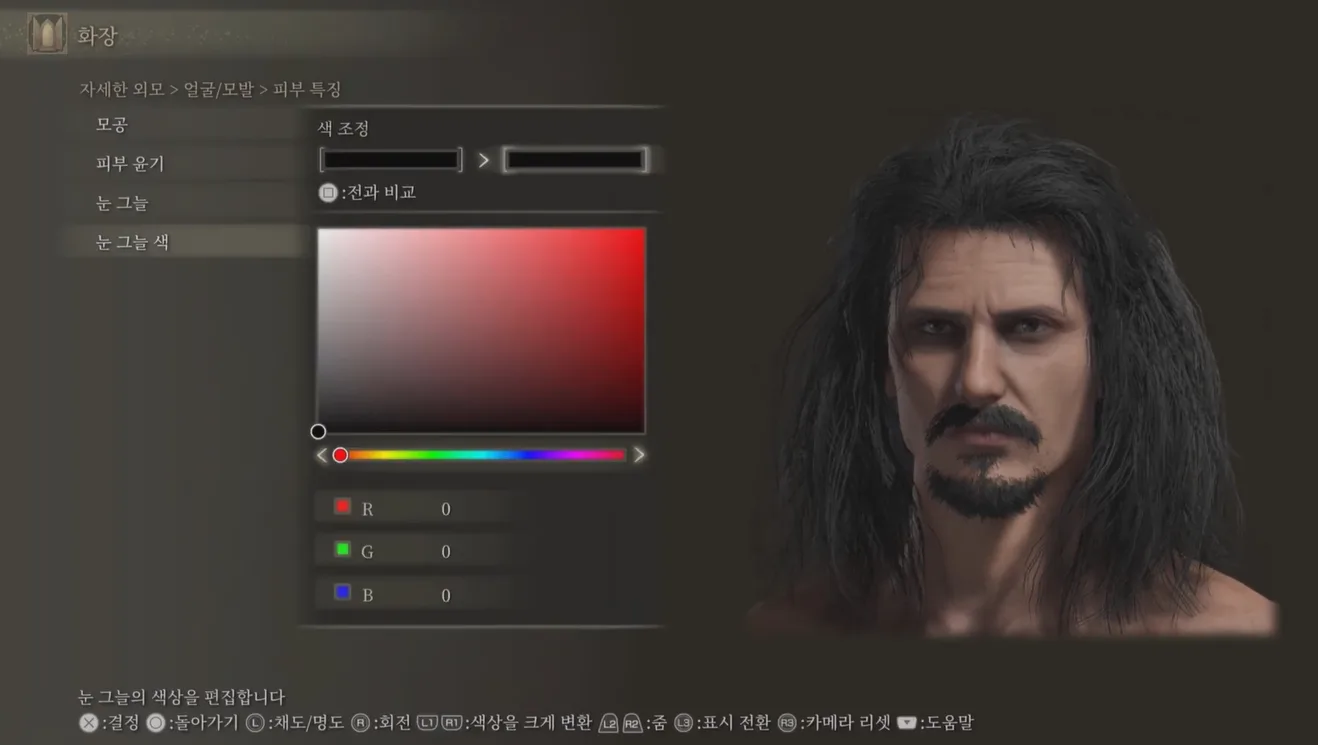
The question then becomes how responsibility should be divided among the player, the game company, and the developer of the character creation tool. If the standard remains unclear, companies may respond by limiting facial customization or restricting the sharing of player-created characters. A rule intended to stop malicious deepfakes could therefore suppress legitimate game development and player creativity.
The ESA’s position is not that deepfake harms or victims’ rights should be ignored. Its demand is that the law clearly distinguish technologies designed to copy a person’s face or voice without permission from general-purpose game tools built for a wide range of lawful uses.
The ESA’s objection can ultimately be reduced to two questions.
How should the law distinguish a game character that was not intended to imitate anyone from an unauthorized digital replica? And how far should liability extend to the provider of a general-purpose tool merely because a user can employ it to create a character resembling someone else? If that boundary remains unclear, the effects of deepfake regulation could spread beyond malicious replicas and into the ordinary creative processes of game development.
Did the Amendment Resolve the Game Industry’s Concerns?
After the ESA submitted its comments, the Senate Judiciary Committee incorporated several provisions into the amendment that touched on the industry’s concerns.
The first change concerns accidental resemblance to a real person. The amendment limits liability when a digital character’s resemblance is purely coincidental and the person is either not widely known or lacks commercial value in their face or voice. This gives game companies some protection when creating large numbers of background characters.
The protection, however, may not apply in the same way when the person being resembled is famous. Even if the developer never used that individual as a reference, a dispute may still arise over whether the resemblance was truly accidental. The existence of a limitation on liability does not eliminate the litigation costs and development delays that concerned the ESA.
The second change concerns characters created or customized by users inside a game. The amendment excludes such material from the definition of “user-uploaded material” used in the bill’s notice-and-removal framework. The purpose is to avoid treating an in-game character in exactly the same way as an ordinary uploaded image or video.
That does not mean all in-game avatars are outside the scope of the law. When a player recreates another person’s face or voice without permission, the division of responsibility among the user, the game company, and the tool provider remains unclear.
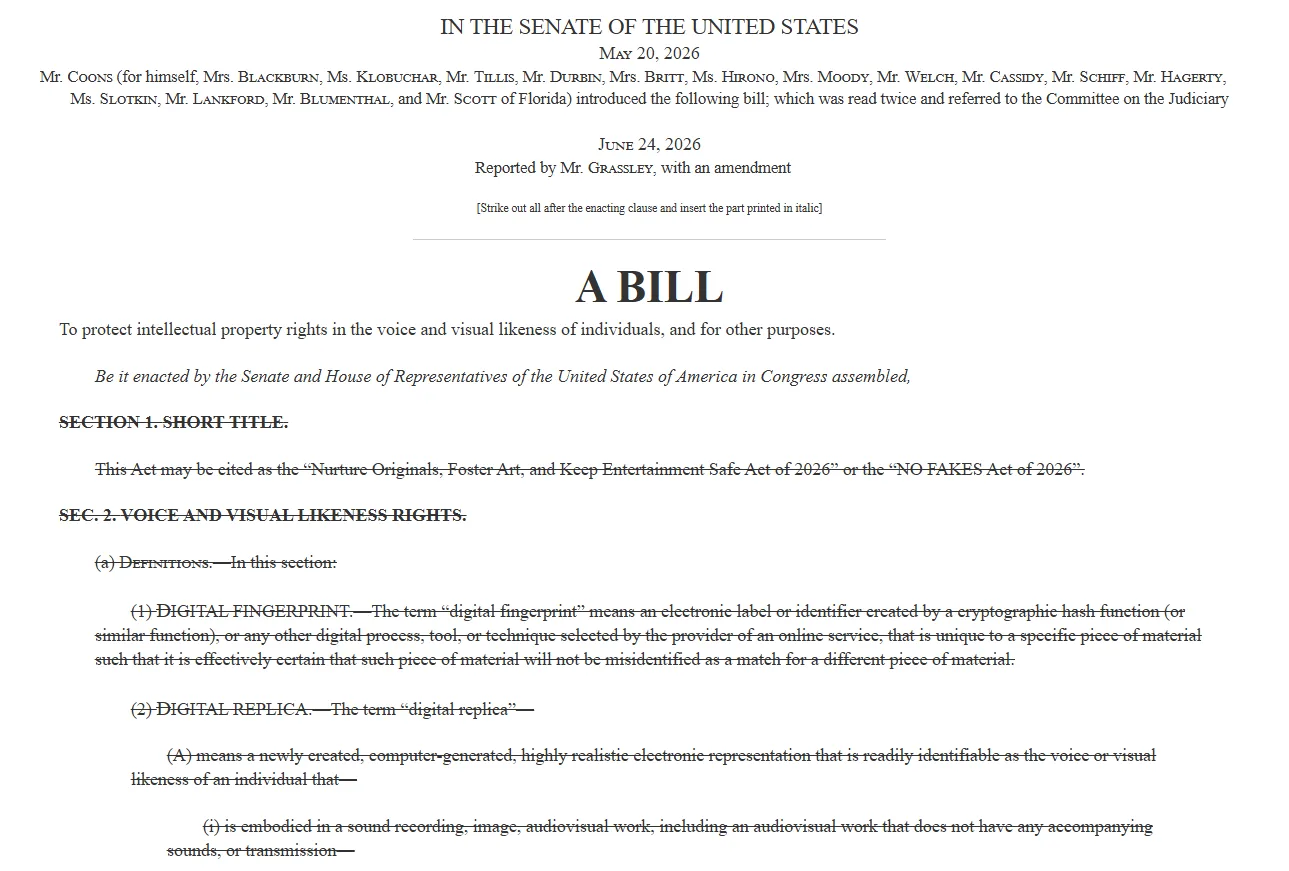
The ESA submitted another letter to the House after the amendment was released. This suggests that the association did not believe the revisions had fully resolved the uncertainty surrounding game characters and general-purpose creation tools.
The amendment addressed some of the industry’s concerns, but it still failed to provide a clear standard for distinguishing unauthorized replication from independently created game characters.
The Boundary Between Protection and Creation
The harm the NO FAKES Act seeks to prevent is clear. Unauthorized replication of a person’s face and voice can threaten not only reputation and safety but also the livelihoods of actors, singers, and other creators whose identities are central to their work.
Yet stronger protection does not always mean more precise protection. If the law is drawn too broadly, it may prevent real harm while also discouraging legitimate creation and technological development.
A single game can contain a character based on a contracted actor, an NPC designed independently by a studio, and an avatar customized by a player. Even when the finished results look similar, the creator, the source material, and the existence of consent may be entirely different.
The law therefore cannot judge a character only by whom it resembles. It must also consider whether a specific person was intentionally recreated, what face or voice data was used, and whether valid consent was obtained. The purpose and process of creation must matter alongside the similarity of the final result.
The current amendment reflects some of the game industry’s concerns, but it does not yet offer a sufficiently clear standard for separating unauthorized replication from independent character creation.
Stopping deepfakes and protecting creative freedom in games are not opposing goals. The central issue is not how harshly the law punishes, but what it defines as replication. A fabricated image built from someone else’s face and voice should be stopped. But a character created from the ground up should not become a fake simply because it happens to resemble someone.
Ultimately, the final hurdle for the NO FAKES Act is to express that difference in the language of law.


