On August 5, Disney announced a content-sharing agreement with TikTok. Some videos created by TikTok creators using Disney IP will also appear in Verts, the vertical video feed on Disney+. This marks a step beyond OTT platforms simply adopting TikTok-like interfaces, as content created on TikTok itself begins to enter streaming services.

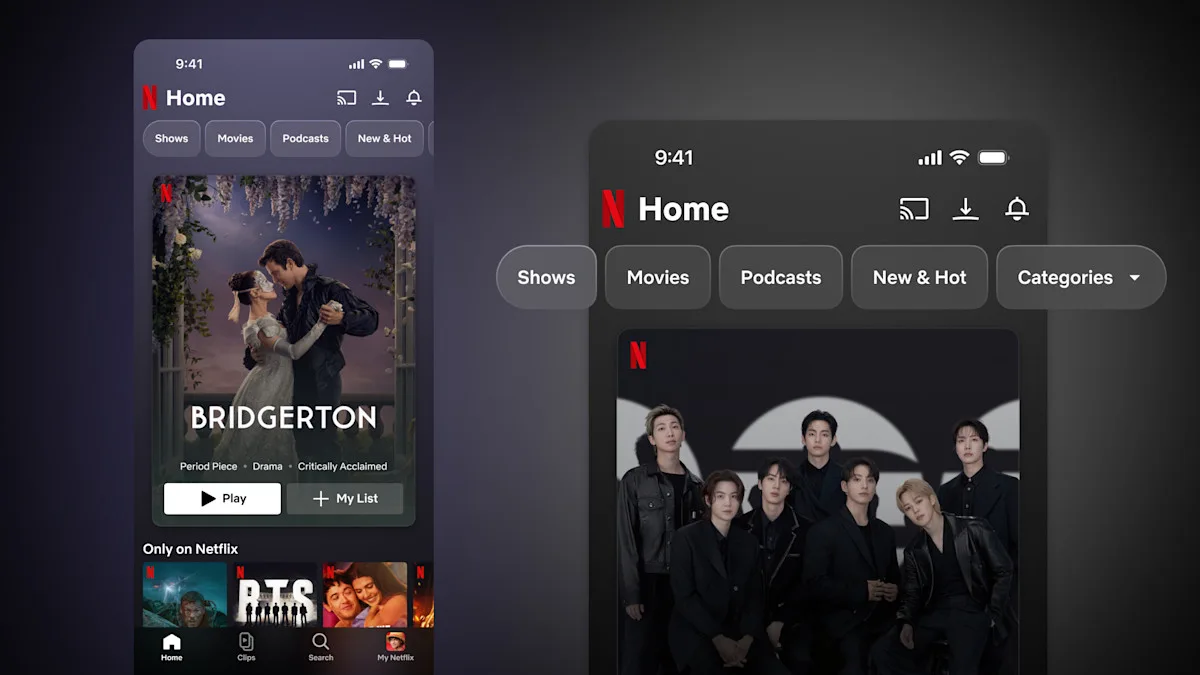
Similar developments had already been appearing across several OTT platforms since the spring. On April 30, Netflix introduced its vertical feed, Clips, as part of a mobile app redesign, initially launching it in nine countries: the United States, the United Kingdom, Canada, Australia, India, Malaysia, Pakistan, the Philippines, and South Africa. Clips occupies its own tab in the bottom navigation bar alongside Home, Search, and My Netflix, and continuously presents short scenes from films, series, and specials tailored to individual tastes. Netflix describes it as a personalized highlight experience designed to help users decide what to watch next. The feature also began rolling out in Korea and Japan in July.
Paramount+ also added a vertical short-form feed to its mobile app in April. Alongside scenes from existing titles such as South Park and The Madison, the feed includes sports highlights, CBS News segments, UFC clips, and trailers. It is designed to let users swipe through short videos and move directly to content that catches their interest.
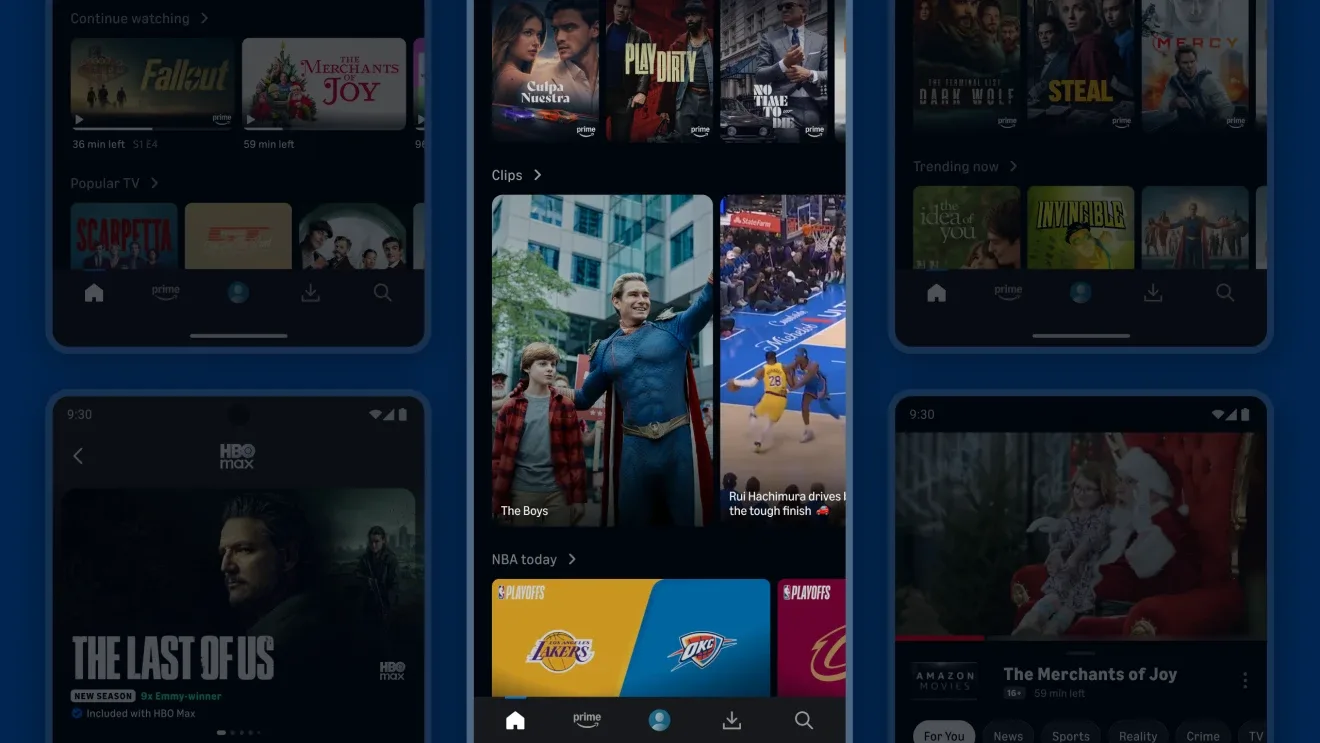
Prime Video, meanwhile, expanded Clips in May from its earlier use for NBA highlights to films and series. Users can swipe through clips, add titles to their Watchlist, share them, or in some cases move directly to full-length viewing, rental, purchase, or subscription options.
The three services differ in their scope and implementation, but they share a clear feature. Alongside the conventional process of choosing a title from a catalog and then pressing play, they are adding another route in which viewers encounter a short scene first and then follow that interest toward the full title. The fact that OTT services built around content lasting from tens of minutes to several hours are adopting similar interfaces at roughly the same time points to changes that cannot be explained by the popularity of short-form video alone.
The return of vertical feeds and what has changed
Vertical feeds themselves are not a new experiment. Netflix introduced Fast Laughs in 2021, allowing users to swipe through short comedy scenes, and before that it had already operated Previews, which presented short promotional videos in a similar format. In other words, the idea of continuously presenting short videos on a vertical screen has existed for years.
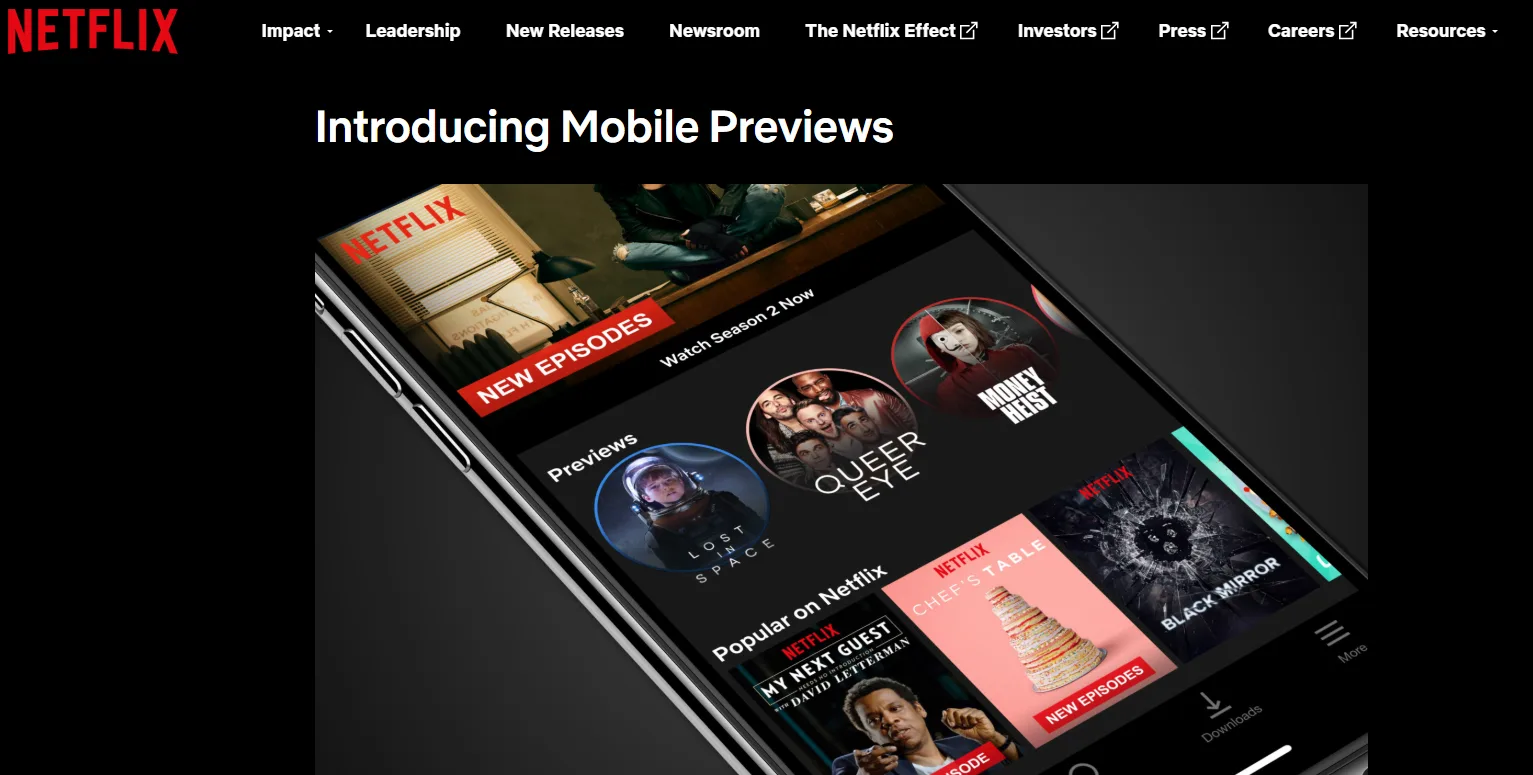
What has changed is the timing and scale at which the format has returned. In 2026, not only Netflix but also Paramount+ and Prime Video expanded similar features within a relatively short period. The renewed attention to vertical feeds across multiple services reflects broader changes in the streaming market.
According to Deloitte’s 2026 Digital Media Trends survey, 90% of U.S. households subscribe to at least one paid SVOD service, with subscribing households using an average of four services. At the same time, 41% of consumers surveyed said they had canceled at least one SVOD service within the previous six months. As moving between services and repeatedly subscribing and canceling become increasingly common, attracting new subscribers is no longer the only concern. How often existing users open an app and how long they remain there are becoming increasingly important as well.
Paramount+ has similarly described its vertical feed as serving purposes beyond content discovery, linking it to higher visit frequency and longer engagement within the app. Netflix, meanwhile, presents Clips as a way to help users find their next title more quickly. Short videos can create reasons to open an app even when there is not enough time to watch a full-length title, while also creating another opportunity to move into longer-form viewing. In that sense, discovery and usage frequency are not necessarily separate objectives but can operate as parts of the same process.
At the same time, the places where audiences first encounter content have expanded beyond OTT platforms themselves. In the same Deloitte survey, 52% of fans cited social media as a primary way of discovering new films, television, music, games, and other entertainment. Among Gen Z fans, the share rose to 73%. Meanwhile, 44% of fans—and close to 60% of Gen Z fans—said they had discovered content on social media and then moved to another service to watch or purchase the full content.
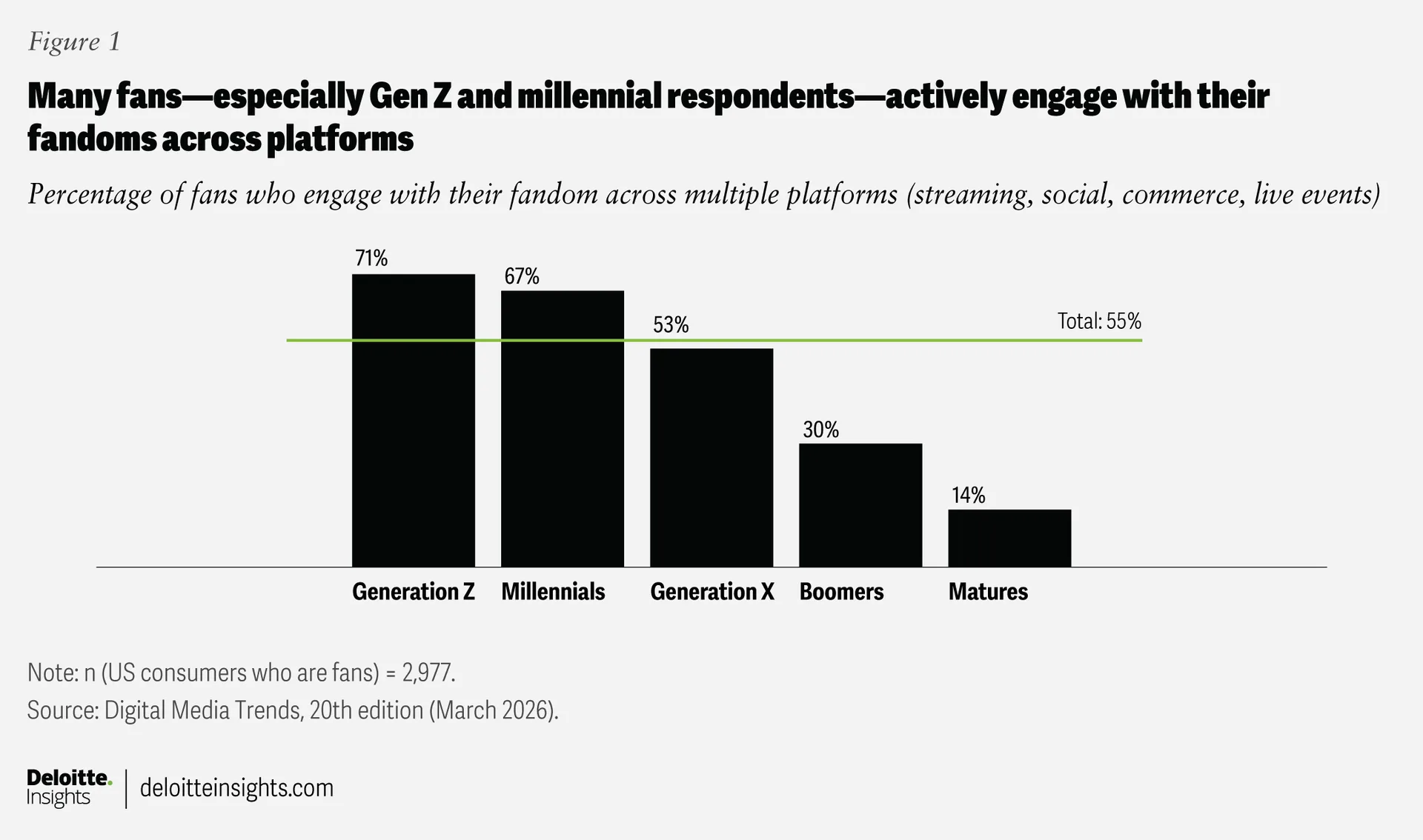
For streaming services, much of what remains visible is the final outcome. Information about which clip, meme, review, or recommendation first sparked interest in a particular title often remains on external platforms such as TikTok, YouTube, or Instagram. This is why Deloitte describes the path as a kind of “black box” from the perspective of streaming providers.
The survey was conducted among U.S. consumers in October and November 2025, before these services launched or expanded their current vertical feeds. It therefore cannot be used to claim that the companies designed their products in direct response to these particular figures. It does, however, show how content discovery was already shifting at the time. The simultaneous expansion of vertical feeds across OTT services can be understood as a response to two related challenges: bringing users back into the app more often and bringing at least part of the discovery process that had been taking place on outside platforms back into the service itself.
From posters to scenes: an expanding unit of recommendation
Seen in this context, the shift to vertical feeds is about more than changing the screen from horizontal to vertical. It also changes how titles are introduced and recommended.
Until now, posters and thumbnails have largely served as the visual representatives of titles on OTT platforms. Users browse a series of images, select a title that catches their attention, open its detail page, read the synopsis or watch a trailer, and then decide whether to play it. Personalization has also operated at this level. The same title, for example, may be presented with different artwork emphasizing different actors or scenes depending on the viewer.
Vertical feeds insert actual scenes earlier in this process. Before choosing a title, users can encounter dialogue, facial expressions, action, or atmosphere directly. Rather than imagining the content from a title and synopsis alone, they can experience a small part of it before deciding whether they are interested.
Netflix describes Clips as a personalized highlight feed tailored to individual tastes. A recommendation model that has long personalized titles and artwork is therefore being extended into short-form video. The important difference is that personalized discovery is no longer limited to static images but now includes actual scenes from the content.
This is where the similarity to TikTok-style feeds becomes clearer. TikTok does not require users to decide in advance what they want to watch. It presents videos first and adjusts subsequent recommendations based on signals such as viewing behavior, likes, and shares. Recent vertical feeds on OTT platforms follow a similar direction: rather than waiting for users to compare a catalog of titles and make a deliberate choice, they expose viewers to a piece of content first and use that response as a bridge to further discovery.
How short videos become gateways to long-form content
The growth of vertical feeds does not necessarily mean that films and television series are about to be replaced by short-form content. In the film and series sections of Netflix Clips and Prime Video Clips, the format primarily uses scenes from existing titles rather than standalone short-form productions. The focus is less on completing a short video as an end in itself and more on saving a title, exploring it further, or moving into the full-length content.
In this sense, vertical feeds on OTT platforms are less a competition between short-form and long-form video than a new pathway connecting the two. Instead of choosing a title from a poster and synopsis alone, viewers encounter an actual scene first, and their response can then lead into recommendations or full-length viewing. A very short moment becomes the first step toward choosing content that may last several hours.
Not every clip, however, serves this same role. Sports highlights or news clips on Paramount+, for example, can function as self-contained pieces of content rather than gateways to something longer. The choice of which scene to extract can also shape how viewers perceive a title. As the volume of clips grows, questions may follow over licensing and editing rights, production costs, and whether recommendation systems will favor titles that contain easily extractable or immediately striking moments.
It is still difficult to determine how much vertical feeds actually contribute to full-length viewing or subscription retention. Publicly available information does not yet make it possible to establish how often viewing a clip leads directly to consumption of the full title. Still, the fact that several OTT platforms are expanding similar formats at roughly the same time can be read as a response to changes in the way audiences discover and choose content.
Viewers are becoming increasingly accustomed not only to choosing a title first and then watching it, but also to encountering a short scene first and moving toward a title that captures their interest. OTT platforms are responding to these changing discovery habits by redesigning the paths through which viewers reach full-length content.