Recently, the atmosphere surrounding Saudi Arabia’s sports investments has begun to change. For a time, PIF, Saudi Arabia’s sovereign wealth fund, poured vast amounts of capital into football, golf, boxing, tennis, esports, and other areas, shaking up the global sports industry. Its approach was to use enormous capital to enter established markets quickly and attract world-class athletes and major events.
However, as signs of adjustment have recently appeared in some sports investments, some have begun to interpret this as Saudi Arabia stepping back from its aggressive investment strategy. In Korea as well, there has been talk that Saudi Arabia may be reducing its spending on sports and esports. At first glance, it may seem as if Saudi Arabia is moving past its period of unlimited spending and scaling back its overall investment in sports and esports.
But simply summarizing this shift as “Saudi Arabia is spending less money” risks missing the point. What is happening now is closer to a change in investment strategy than a withdrawal of investment. Saudi Arabia’s esports strategy is not necessarily moving toward spending less money. Rather, it is entering a stage in which Saudi Arabia is reconsidering where its money should remain.
The Adjustment Signal Shown by LIV Golf
To understand this shift, it is necessary to briefly look at the case of LIV Golf. LIV Golf is a new professional golf league launched in 2022 with backing from Saudi Arabia’s sovereign wealth fund, PIF. It operated separately from the PGA Tour, which had long been the center of men’s professional golf, and shocked the global golf industry by recruiting famous players with huge signing fees and prize money.

LIV Golf was a representative example of how quickly Saudi capital could disrupt an existing sports order. Money can lower market entry barriers very quickly. There are few tools as fast as capital when it comes to creating a new league, attracting star players, and drawing global media attention.
At the same time, however, LIV Golf also revealed the burden of a model that requires continuous massive spending. For a new league to survive in the long term, player recruitment and prize money alone are not enough. Stable viewership, broadcasting rights, sponsors, fandom, and relationships with existing institutions must also follow. In the end, for a league that begins with money to last, it needs an industrial structure beyond money.
That is why reports that PIF will end its support for LIV Golf after the 2026 season are important. This does not mean Saudi Arabia is completely withdrawing from sports. Rather, it shows that Saudi Arabia is moving from a stage of unlimited spending on every project to a stage in which it evaluates cost-effectiveness and long-term strategic value.
Is Esports Also Being Shaken?
Then, is esports also being reduced in the same way? Based on the current developments, it is difficult to make that conclusion. On the contrary, the Esports World Cup still appears to be a core pillar of Saudi Arabia’s gaming and esports strategy.
EWC 2026 was announced as a major event with more than $75 million in total prize money, 24 games, 25 tournaments, more than 2,000 players, and more than 200 participating clubs. The event was originally set to be held in Riyadh, but the host city was later changed to Paris. However, the official announcement explained this not as a sign that Saudi Arabia is withdrawing from esports, but as part of a long-term vision to expand EWC to major cities around the world. At the same time, it stated that Riyadh remains the home of EWC and a central part of its long-term future, with an intention to return in 2027.
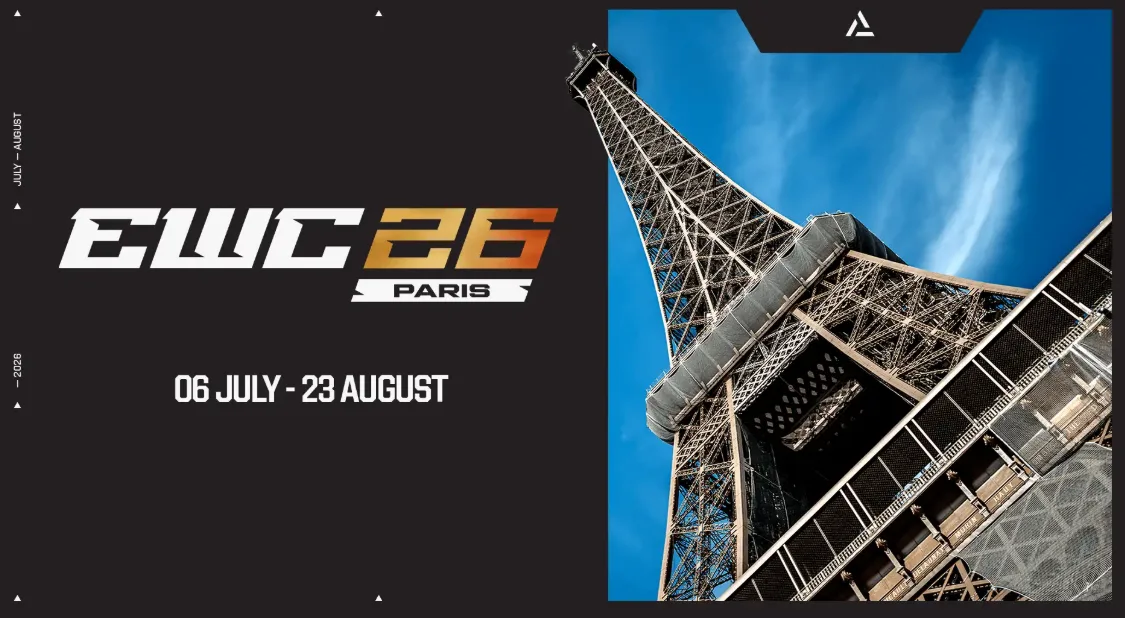
This point is important. The Paris hosting of EWC 2026 can be read not as a sign that Saudi Arabia is giving up on esports, but as an attempt to expand the esports platform it created beyond Riyadh. At first, the priority was to bring global esports into Saudi Arabia. Now, it has become possible to export the tournament format and brand designed by Saudi Arabia to other cities.
The Strategic Center: Savvy Games Group
The most important axis for understanding Saudi Arabia’s gaming and esports investments is Savvy Games Group. Savvy is a gaming and esports company owned by PIF. PIF describes Savvy as a portfolio that pursues long-term growth in gaming and esports through strategic acquisitions, investments, and commercial initiatives.
This structure matters because Saudi Arabia’s interest is not limited to prize money support. Savvy holds ESL FACEIT Group and Scopely as major portfolio assets. ESL FACEIT Group is connected to global esports tournament operations, while Scopely is connected to the mobile games market. In other words, Saudi Arabia is trying to view tournaments, game companies, mobile users, clubs, and fandom as part of one ecosystem.
The Moonton case also connects to this trend. ByteDance agreed to sell Moonton, the developer of Mobile Legends: Bang Bang, to a Saudi PIF-owned gaming company. Mobile Legends has a strong mobile esports ecosystem, especially in Southeast Asia. From Saudi Arabia’s perspective, this is not simply the acquisition of a game company. It also means securing an IP with both a large user base and tournament expansion potential.
Structure Matters More Than Prize Money
In esports, influence is not determined only by who offers the most money. Prize money is the most visible element, but what remains longer is something else. Who operates the tournament, which games are included, which clubs participate, and where broadcasts and content are distributed all matter.
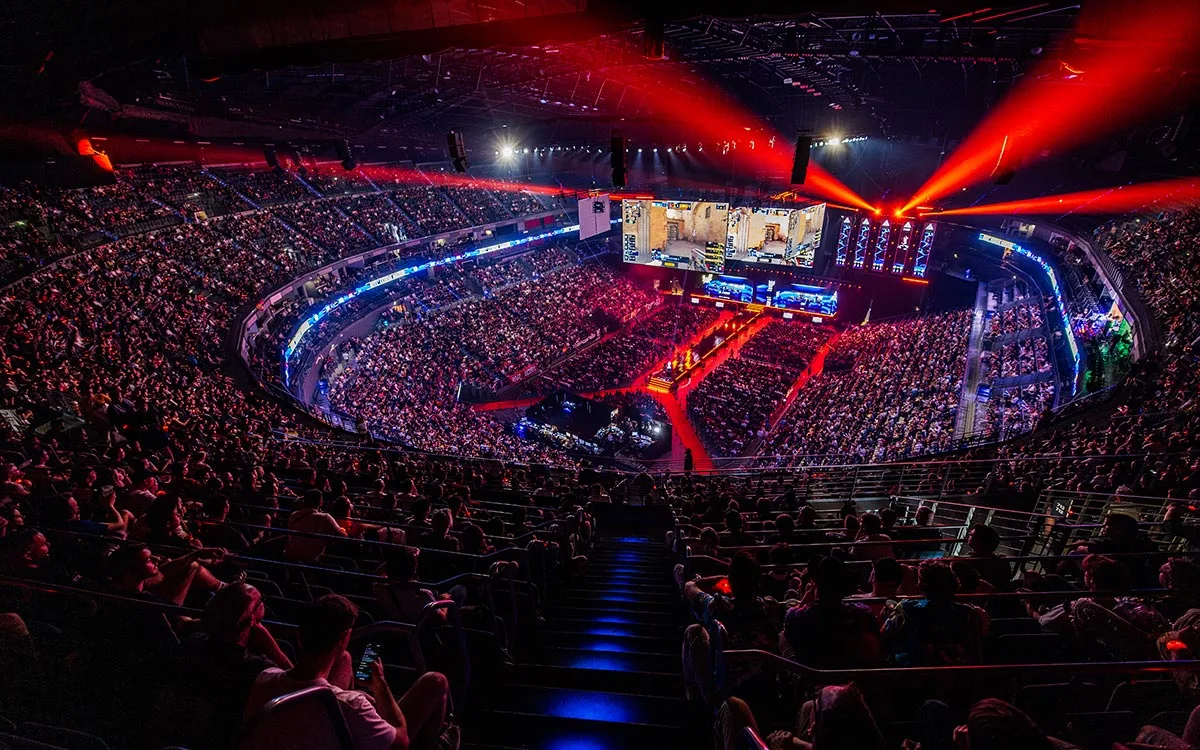
EWC is a stage for testing this structure. It brings multiple game titles into a single season, creates a club-based competitive structure, and gathers world-class teams and players on one stage. For fans, it is a tournament. For Saudi Arabia, however, it is also city branding, an industrial showcase, and a device for presenting its strategy to become a global gaming and esports hub.
That is why looking only at prize money is not enough when examining Saudi Arabia’s esports strategy. What needs to be seen is the structure behind the prize money. Which games are selected? Which teams and clubs become connected? Which city becomes the stage? Which game IPs enter Saudi Arabia’s portfolio? These questions are closer to the core of Saudi Arabia’s esports strategy.
Therefore, the phrase “Saudi Arabia is reducing its esports investment” should be used carefully. Some high-cost sports investments are indeed being adjusted. The end of support for LIV Golf is a representative signal of that. Projects that do not align with profitability or long-term strategy may also be reduced in the future.
But that does not mean Saudi Arabia is withdrawing from esports. EWC is still being pushed forward on an expanded scale, and Savvy Games Group remains a central pillar of PIF’s gaming and esports strategy. Assets such as Moonton, ESL FACEIT Group, and Scopely show that Saudi Arabia is looking not only at games and esports themselves, but also at the operational structure behind them.
Ultimately, Saudi Arabia’s esports strategy is not a matter of reduction, but selection. In the past, it spent aggressively to make its presence felt in the market. Now, it is entering a stage in which it evaluates which investments will leave behind industrial influence and national brand value. It is not that Saudi Arabia is no longer spending money. It is spending more strategically.
The questions we need to ask are also changing. The question is not whether Saudi Arabia will invest in esports or not. The real questions are: Which games will remain in EWC? Which clubs will become connected to Saudi capital? Which mobile IPs will be selected? Which cities will become new stages? And where will these choices move the center of the existing esports ecosystem?
Saudi Arabia is not giving up on esports. It is trying to keep only the esports that it needs. That is precisely where the next competition in the esports industry begins.


